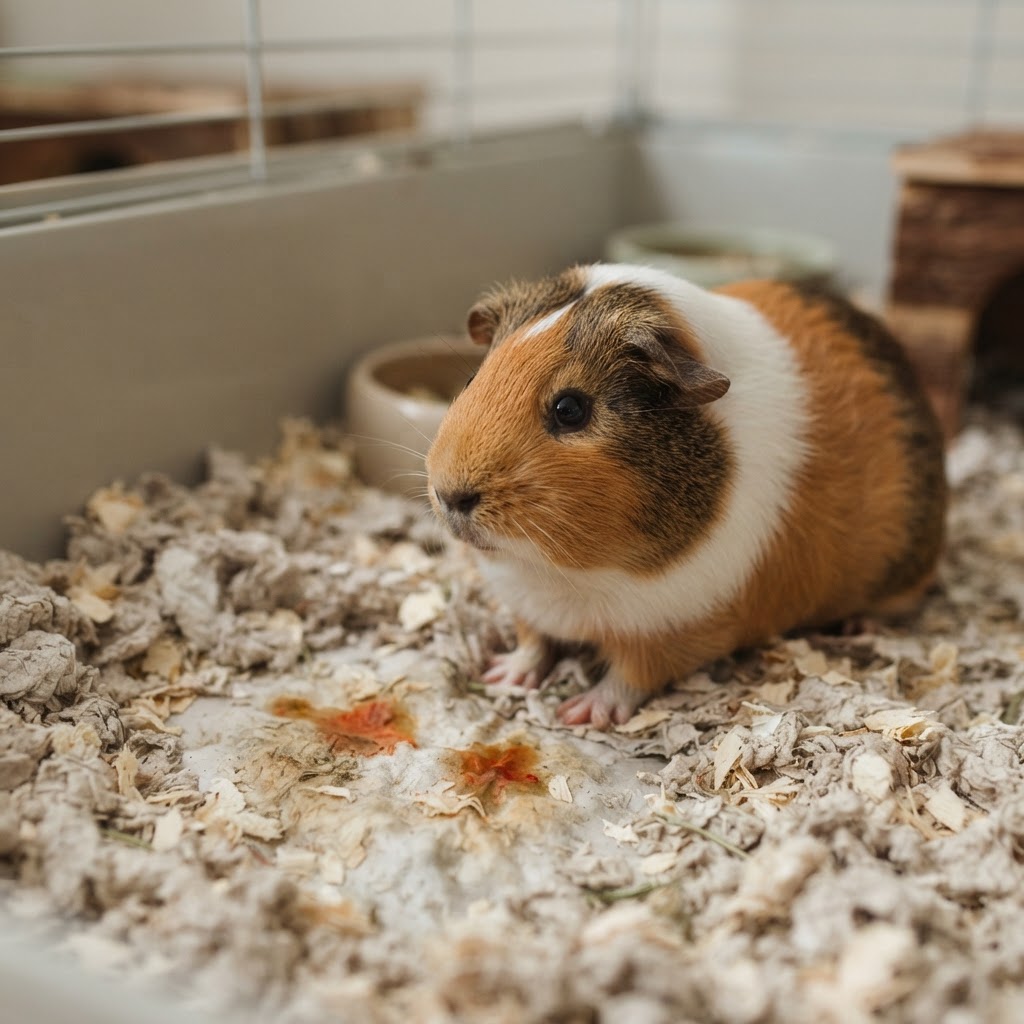
Bottom line: Because pets instinctively hide discomfort, you must watch for subtle changes like decreased appetite, hiding, or altered movement. Any sudden change in personality or physical state should be investigated by a vet.
| Situation | Suggested action |
|---|---|
| Difficulty breathing or collapse | Emergency vet visit |
| Refusal to eat or drink | Same-day vet appointment |
| Limping or vocalizing | Schedule vet exam |
| Mildly reduced activity level | Monitor for 24 hours |
The Silent Sufferers
In the wild, showing pain means showing weakness - and weakness makes you a target. Even though your Labrador has never had to worry about predators, millions of years of evolution have hardwired one instinct into every animal on the planet: hide your pain.
This means that by the time your dog or cat is visibly limping, crying out, or refusing to move, the problem may already be advanced. The real skill for a pet owner is learning to recognise the subtle, early signs - the quiet changes in behaviour that whisper "something's wrong" before it starts shouting.
Why Pets Hide Pain
Animals don't hide pain because they're "being brave." They hide it because showing pain in nature gets you killed. A limping wolf gets left behind. A crying kitten attracts predators. So animals have evolved an extraordinary ability to mask discomfort - even severe discomfort.
This creates a real challenge for owners and vets alike. A dog with a torn cruciate ligament may still wag their tail and eat dinner. A cat with dental pain may still groom themselves (if a little less thoroughly). The signs are there - but you have to know what to look for.
Signs of Pain in Dogs

Dogs tend to show pain through changes in behaviour, movement, and demeanour. None of these signs on their own is definitive - but a cluster of two or more should prompt a vet visit.
Changes in movement:
- 🐾 Limping or favouring one leg - even intermittently
- Stiffness, especially after rest (the classic "warming up" period in the morning)
- Reluctance to jump into the car, onto the bed, or climb stairs
- Slowing down on walks - stopping earlier, sitting down, or lagging behind
- A hunched posture - back rounded, head lowered
Changes in behaviour:
- Restlessness at night - getting up, circling, can't settle
- Increased clinginess - following you everywhere, seeking reassurance
- Withdrawal - hiding under beds or in quiet rooms
- Uncharacteristic aggression - growling or snapping when touched in certain areas
- Panting when not hot or exercised (a common sign of pain in dogs)
Changes in routine:
- Loss of appetite - even just eating more slowly or being picky
- Excessive licking of a particular area (joints, paws, belly)
- Accidents in the house - a previously house-trained dog may start having accidents if it hurts to posture
Signs of Pain in Cats
Cats are even better at hiding pain than dogs. The signs can be incredibly subtle.
Changes in grooming:
- 🐾 Matted or greasy fur - especially along the back (arthritis makes it painful to twist and groom)
- Over-grooming one specific area - licking a joint or belly until the fur thins
- Neglecting the rear end - a common sign of spinal or hip pain
Changes in movement:
- Reluctance to jump up to favourite spots - counters, windowsills, beds
- Taking the stairs in a single jump or avoiding them altogether
- Stiffness after rest
- Reduced activity - sleeping more, playing less
Changes in behaviour:
- Hiding - under beds, in wardrobes, or in quiet corners
- Reduced social interaction - no longer greeting you at the door
- Irritability - hissing or swatting when touched
- Vocalising - some cats become more vocal; others go completely silent
- Changes in litter box habits - urinating or defecating outside the box (posturing is painful with arthritis or urinary issues)
Changes in eating:
- Eating less or eating more slowly
- Dropping food from the mouth (a classic sign of dental pain)
- Chewing on one side only
- Pawing at the mouth
The "New Normal" Trap
One of the biggest mistakes owners make is normalising changes. "She's just getting older." "He's always been a bit stiff." "She's never liked jumping."
Ageing is not a disease. A slow, stiff old dog is not "just old" - they're almost certainly in pain from arthritis. And modern veterinary medicine can do remarkable things for chronic pain: anti-inflammatory medications, joint supplements, laser therapy, hydrotherapy, acupuncture, and even custom-weight-bearing orthotics.
If your pet's behaviour has changed - even gradually, even "just with age" - book a vet check. You may be amazed at the difference treatment makes.
When to Seek Immediate Care
Some pain signs indicate emergencies:
- Sudden, severe pain - yelping, crying, or collapsing
- A swollen or distended abdomen - especially in deep-chested dogs (possible bloat)
- Inability to stand or walk
- Pale or blue gums - a sign of shock or internal bleeding
- Straining to urinate with nothing produced - especially in male cats (a blocked bladder is fatal within 24–48 hours)
The Bottom Line
Your pet will do everything in their power to hide their pain from you. Your job is to be the detective - to notice the small things, the quiet changes, the "maybe it's nothing" moments. Because it's always better to have a vet say "it's nothing" than to discover later that it was something all along.
Trust your instincts. If something feels off, it probably is. And pain - even chronic, old-age pain - is something no animal should have to silently endure.
Frequently Asked Questions
Disclaimer: This article is for educational purposes only and is not a substitute for professional veterinary advice. If you're concerned about your pet's health, use our AI triage assessment or consult a licensed veterinarian.