Expert Pet Health Answers
Real answers to the questions pet owners ask most - written by veterinary experts and powered by AI.
Free Chocolate Toxicity Calculator
Find out if the amount your dog ate is dangerous
This calculator provides an estimate based on average theobromine concentrations. Actual theobromine content varies by brand and cocoa percentage. Always contact your veterinarian for definitive advice.
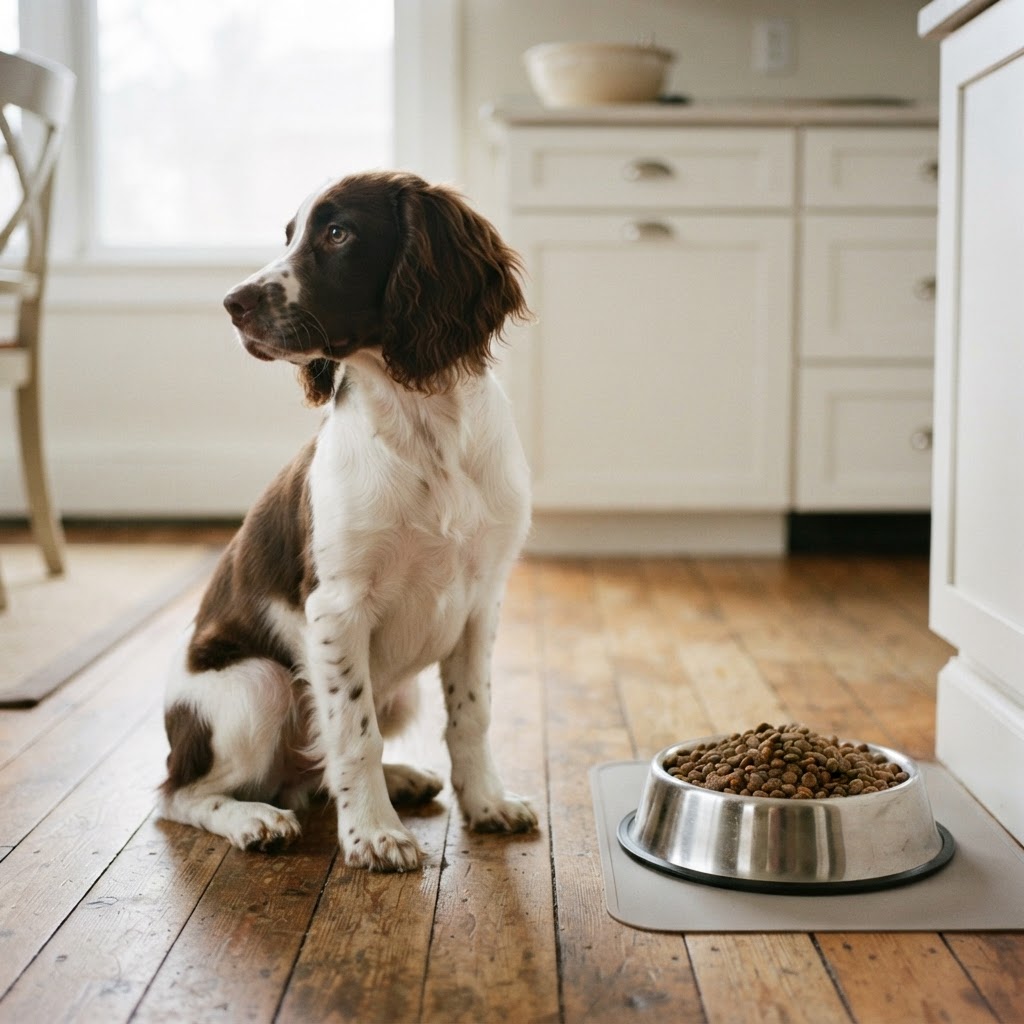
Dog Not Eating: When to Worry and What to Do
A dog skipping one meal is often fine, but refusing food for 24 hours can signal illness. Learn the red-flag signs, common causes, and exactly when a loss of appetite needs urgent care.

Dog Lethargy: When to Worry and What to Do
Tiredness can be harmless or a sign of serious illness. Learn the difference between a tired dog and a lethargic one, the red-flag signs, and when low energy needs urgent veterinary care.

Dog Diarrhoea: When to Worry and What to Do
Loose stools are one of the most common reasons dogs visit the vet. Learn the red-flag signs that mean go now, the likely causes, and how to manage a simple upset stomach at home.

Dog Coughing: When to Worry and What to Do
A cough can be harmless 'kennel cough' or a sign of heart or lung disease. Learn the sounds that matter, the red-flag signs, and when coughing needs same-day veterinary care.
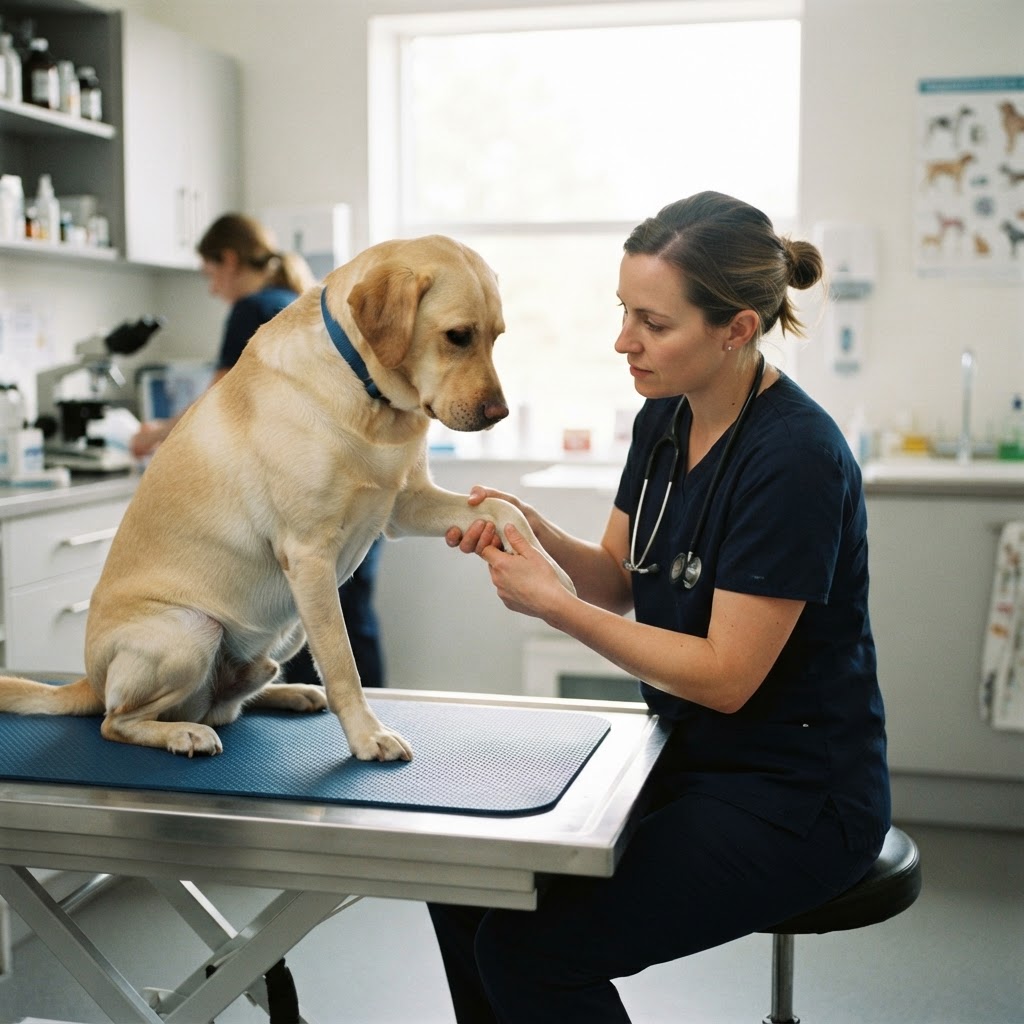
Dog Limping: When to Worry and What to Do
A limp can range from a minor strain to a fracture or a serious joint problem. Learn which limps need the emergency vet, which need a routine appointment, and how to help your dog at home.

Dog Vomiting: When to Worry and What to Do
Most dog vomiting is mild and self-limiting, but some signs mean go to the vet now. Here is exactly when vomiting is an emergency, what causes it, and what to do in the next hour.

Can Dogs Eat Eggs? Safety, Cooking & Benefits Explained
Yes, dogs can eat eggs, cooked eggs are a safe, protein-rich treat full of vitamins. But avoid raw egg whites, which can interfere with vitamin absorption, and never feed eggshells in large amounts. Learn the safe way.

Can Dogs Eat Apples? Safety, Benefits & How to Serve Them
Yes, dogs can eat apples, they are low-calorie, vitamin-rich treats. But always remove the seeds and core, because apple seeds contain a cyanide-releasing compound. Learn the safe way to feed apples.

Can Dogs Eat Blueberries? The Antioxidant Superfood Treat
Yes, dogs can eat blueberries, they are one of the healthiest treats you can share. Low in calories and packed with antioxidants, blueberries are safe for dogs in moderation. Learn how to feed them.

Can Dogs Eat Bananas? Safety, Benefits & How Much to Feed
Yes, dogs can eat bananas in moderation. They are a safe, potassium-rich treat, but the high sugar content means bananas should be an occasional snack, not a daily one. Learn the safe serving size and what to avoid.

Can Dogs Eat Cheese? Safety, Lactose & How Much Is Too Much
Yes, most dogs can eat cheese in small amounts. But cheese is high in fat and salt, and many dogs are lactose intolerant. Learn which cheeses are safest, how much to feed, and when cheese becomes a problem.

Can Dogs Eat Peanut Butter? The Xylitol Warning Every Owner Must Know
Yes, dogs can eat peanut butter, but only if it does NOT contain xylitol, a sugar substitute that is deadly to dogs. Learn how to check the label, how much is safe, and the pancreatitis risk of high-fat treats.

My Dog Is Vomiting But Acting Normal: When to Worry
A dog that vomits once or twice but is otherwise bright, alert, and eating can often be monitored at home. Repeated vomiting, blood, or vomiting with other symptoms means it is time to see a vet.

Should I Take My Dog to the Emergency Vet? Decision Guide
Not sure if your dog needs emergency care? Use this decision guide to check for red flags, understand when to wait, and know when to go to the emergency vet right now.
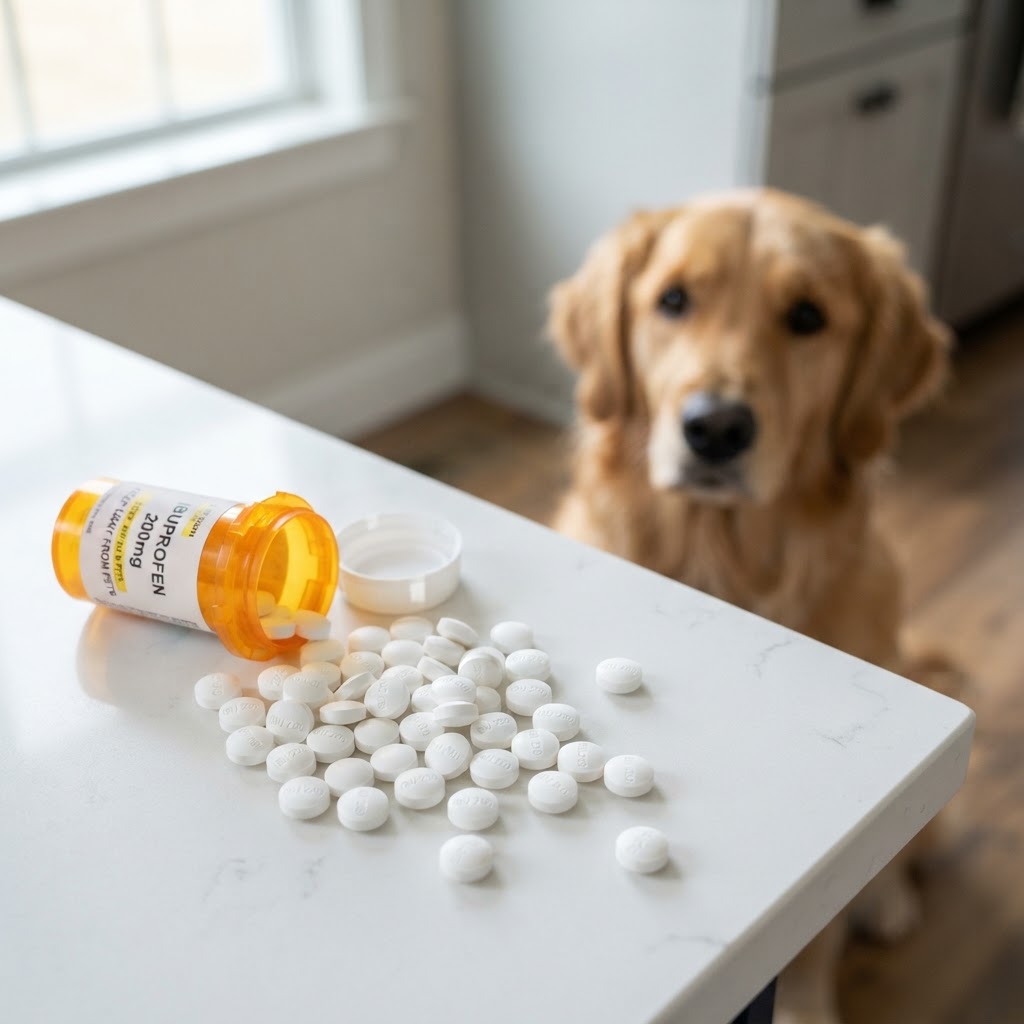
Dog Ate Ibuprofen? Toxicity Signs, Doses & Emergency Steps
Ibuprofen is highly toxic to dogs even in small doses. Learn the signs of ibuprofen poisoning, when to rush to the vet, and what to do in the critical first hour.
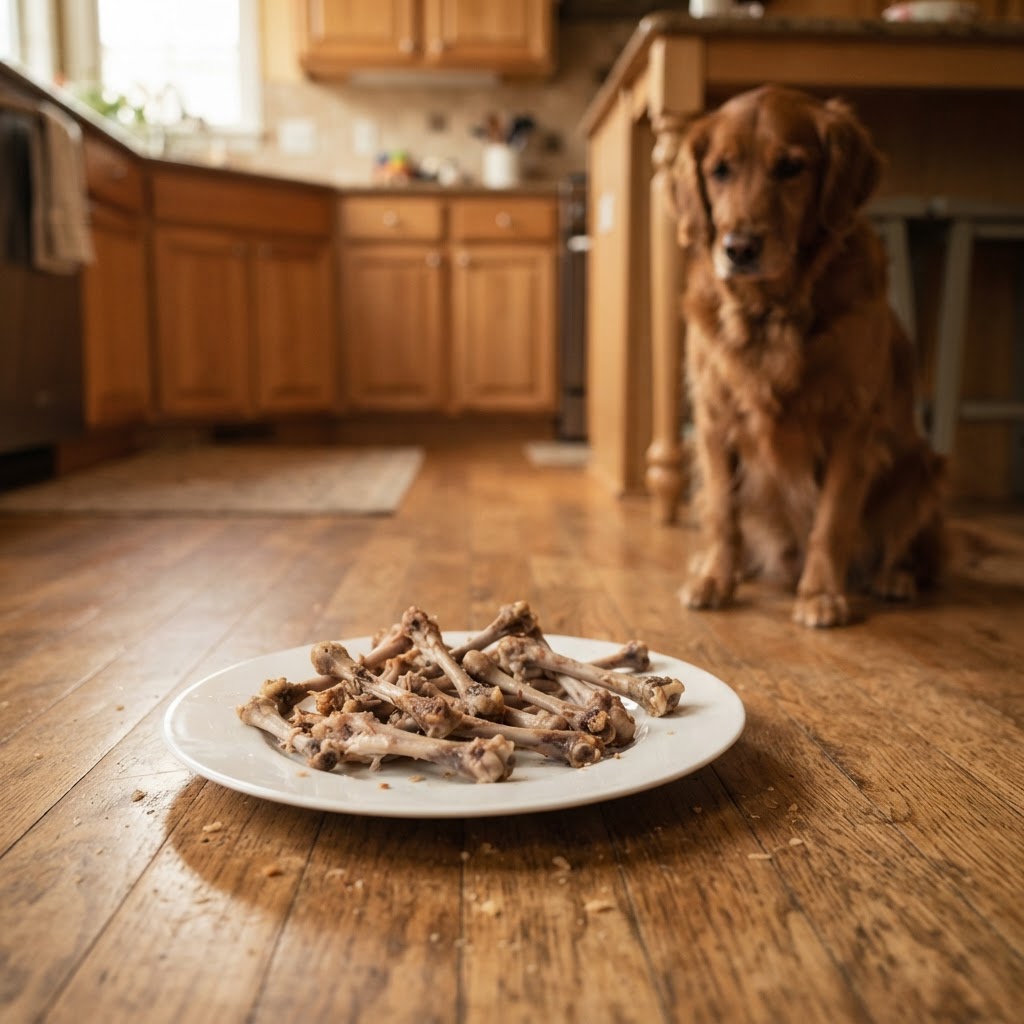
Dog Ate Chicken Bones? Emergency Risks & What to Do Next
Cooked chicken bones splinter easily and can puncture your dog's digestive tract. Learn the warning signs and exactly what to do in the critical hours after ingestion.

Dog Reverse Sneezing: What It Is & When to Worry
That strange honking, gagging sound your dog makes might be reverse sneezing. While usually harmless, learn what triggers it, how to help, and when it signals something more serious.

Dog Drank Pool Water? Chlorine Risks & What to Watch For
Pool water contains chlorine and other chemicals that can upset your dog's stomach. Learn how much is too much, the symptoms to watch for, and when to call the vet.
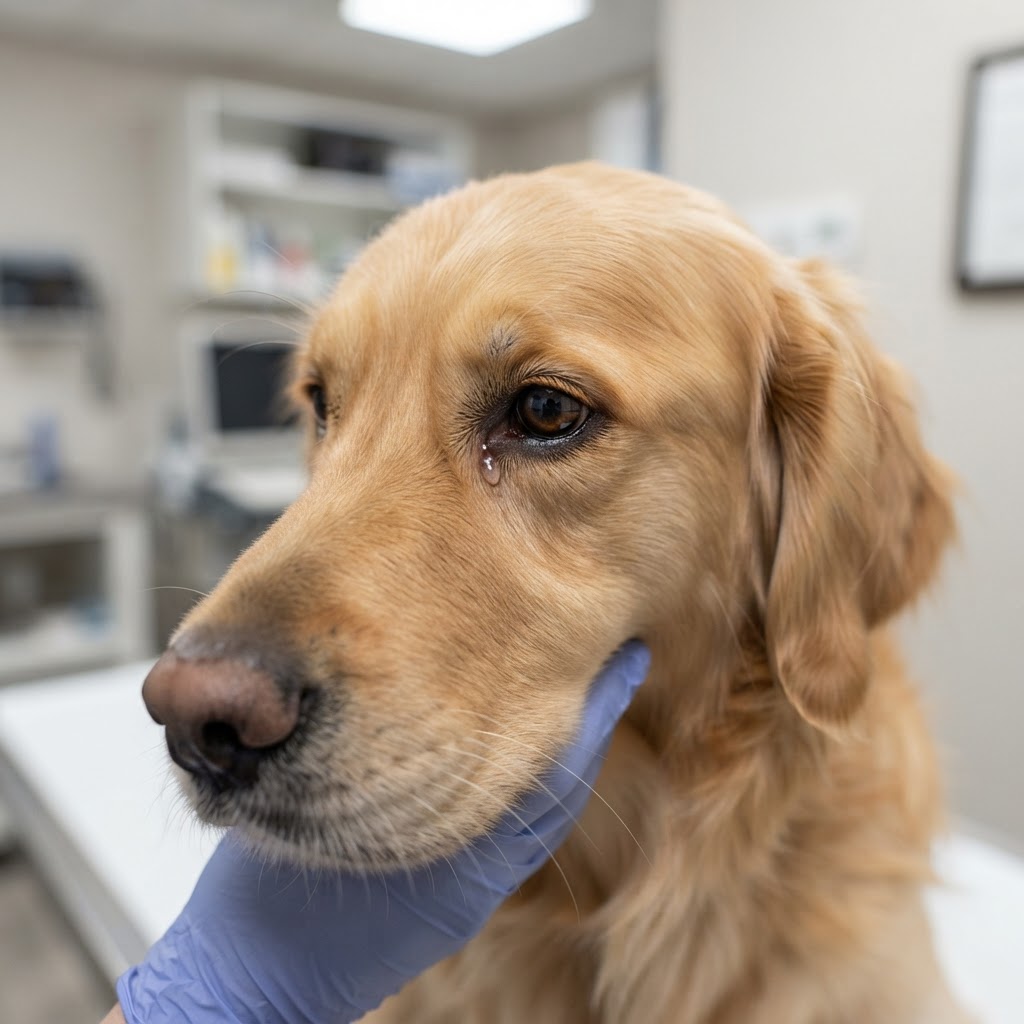
Dog Eye Discharge: 6 Types, Causes & When to See a Vet
Not all eye discharge is the same. Learn to identify the 6 types of dog eye discharge, what each means, and when discharge signals a serious problem needing urgent care.

Can Dogs Eat Avocado? Toxicity Risks & Safe Guidelines
Avocado contains persin, which can be harmful to dogs in large amounts. Learn which parts are dangerous, what symptoms to watch for, and when to call the vet.
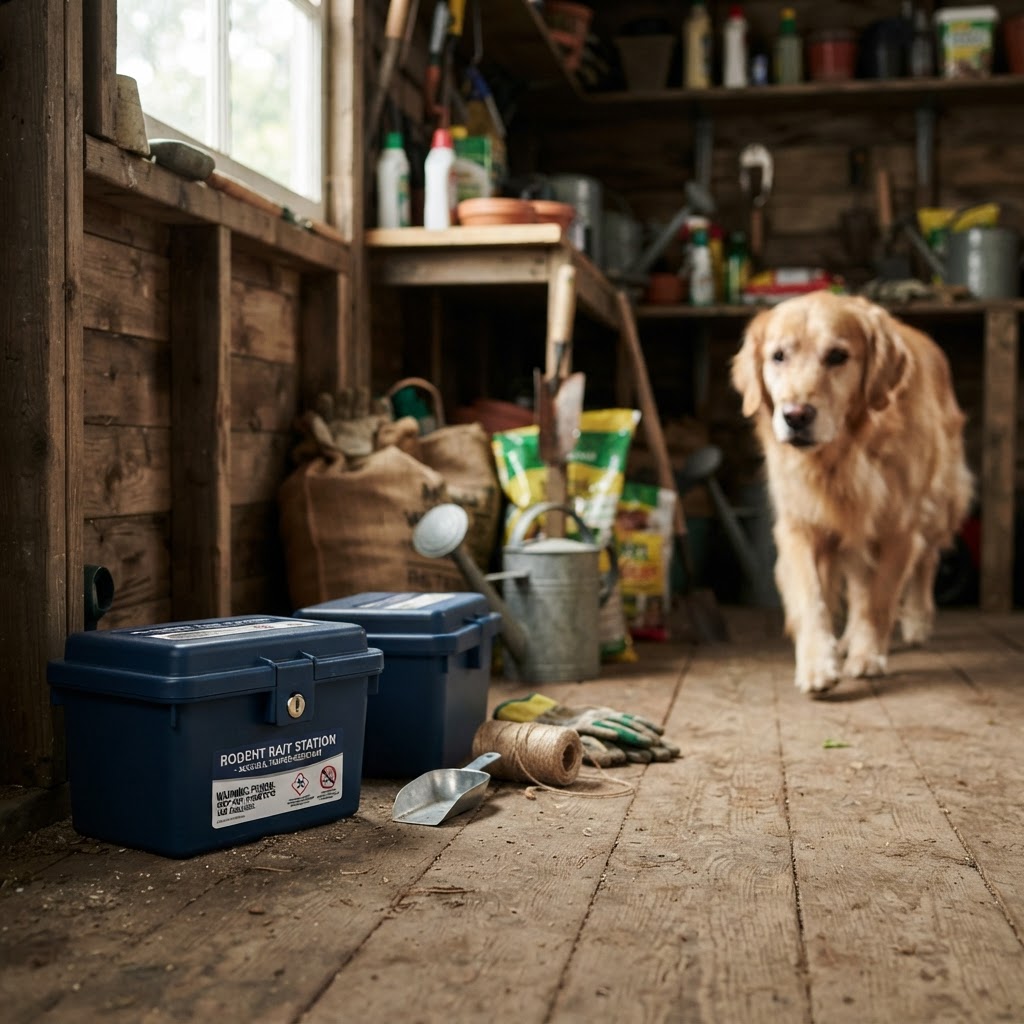
Dog Ate Rat Poison? Anticoagulant Risks & Emergency Response
Rat poison causes internal bleeding that may not show symptoms for days. Learn the types of rodenticide, warning signs, and why immediate vet care is critical.
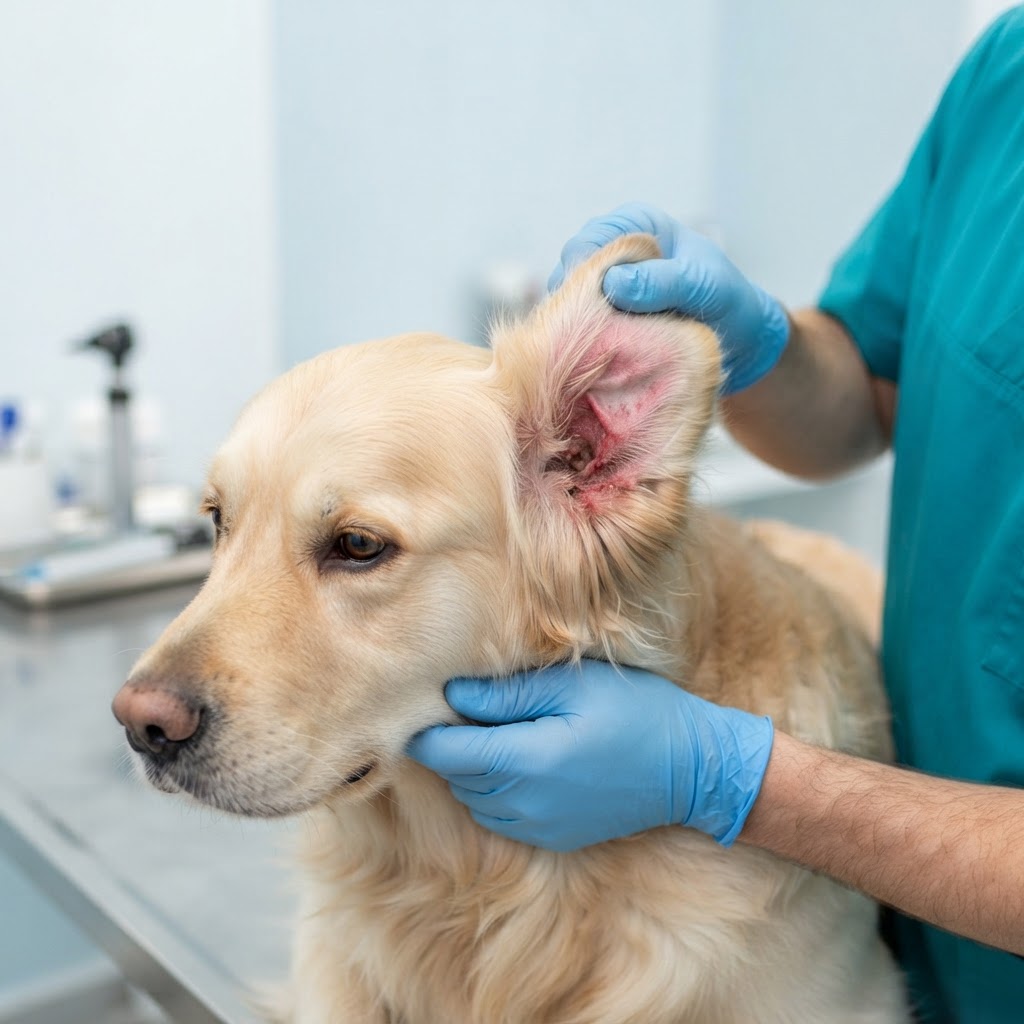
Dog Ear Infections - Signs, Causes & Treatment
Dog ear infections are painful and can lead to serious complications if left untreated. Learn the signs to watch for, common causes, and the best treatment options.
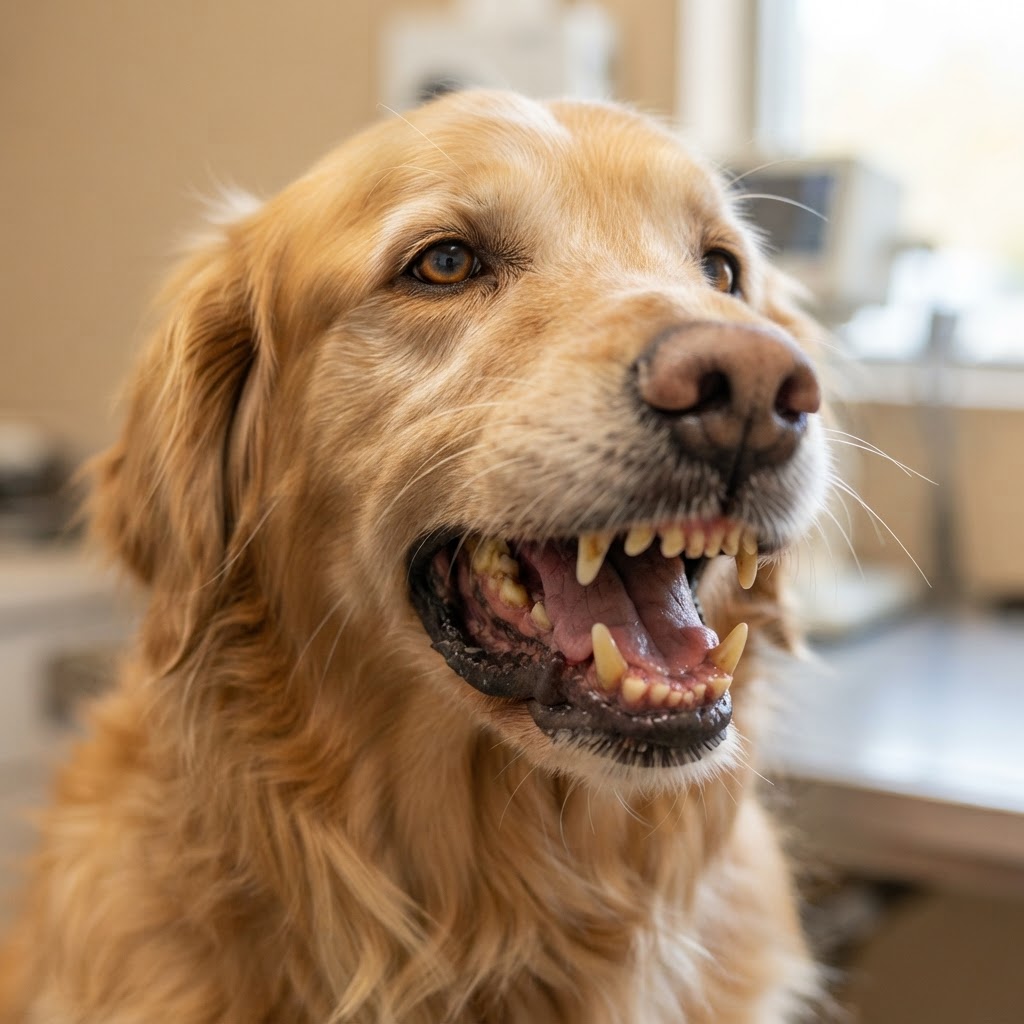
Why Does My Dog Have Bad Breath? Causes & Solutions
Dog bad breath is not just unpleasant - it can signal dental disease, infections, or serious health conditions. Learn the causes and what to do about it.

My Dog Is Lethargic - Causes & When It's an Emergency
A lethargic dog may just need rest, but it can also be a sign of serious illness. Learn what causes lethargy in dogs and the warning signs that need urgent vet care.
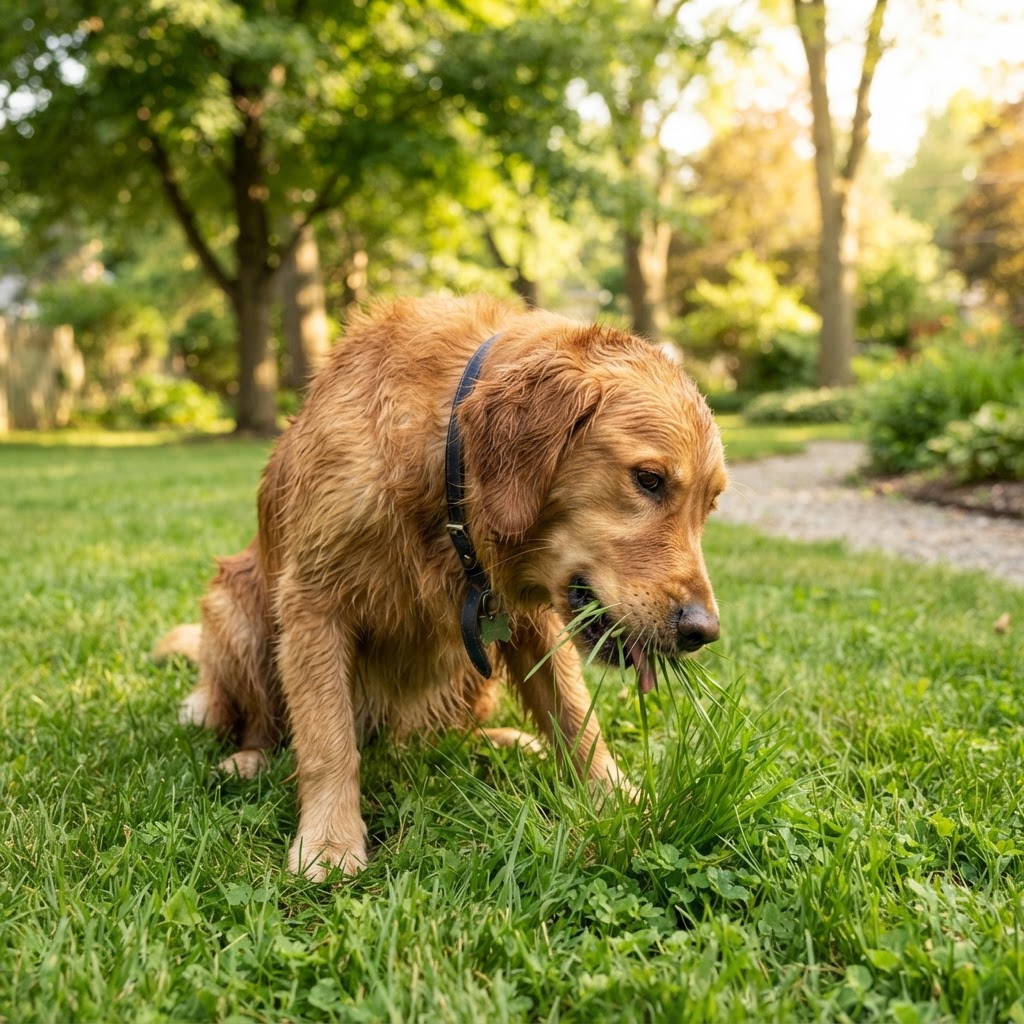
Why Does My Dog Eat Grass? Is It Safe?
Dogs eating grass is extremely common and usually harmless. But why do they do it, and when should you worry? Learn the real reasons behind this puzzling behaviour.
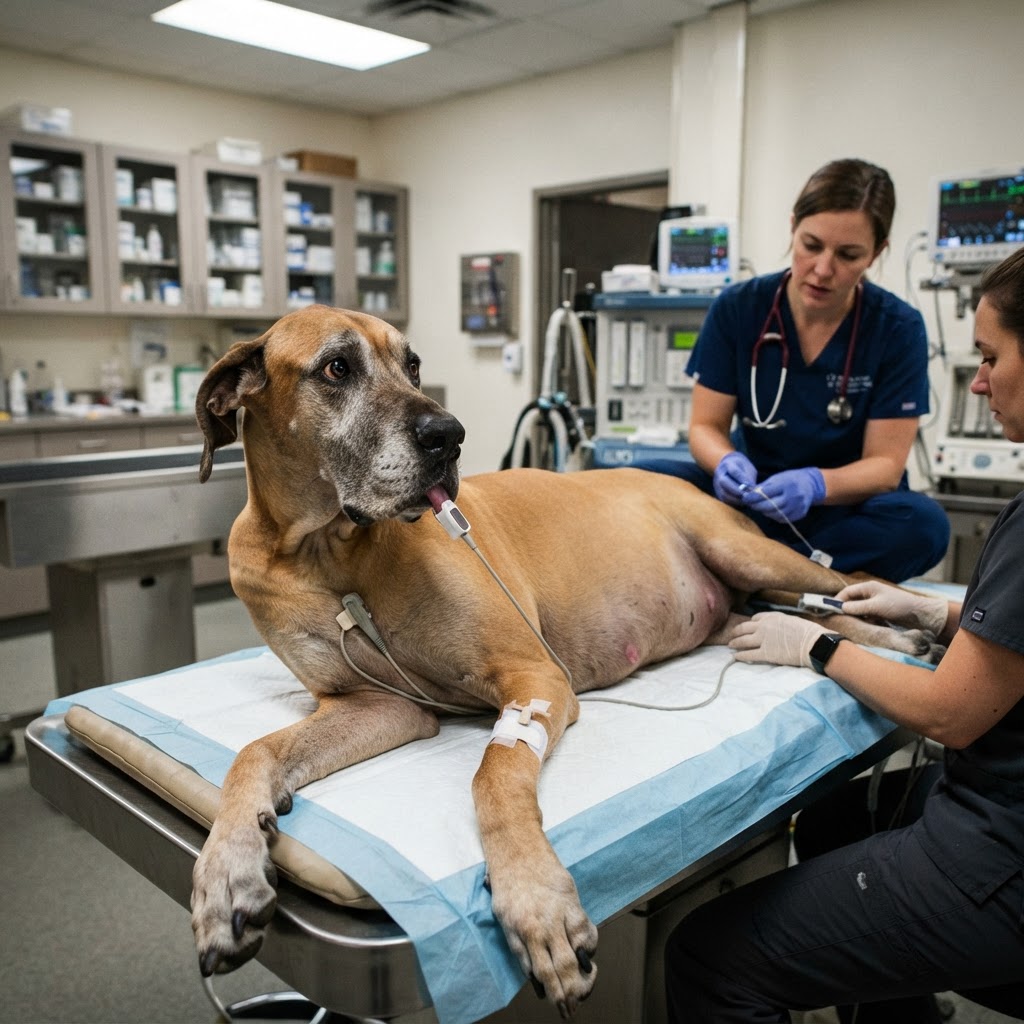
Signs of Bloat (GDV) in Dogs - When to Rush to the Vet
Gastric dilatation-volvulus (bloat) is a life-threatening emergency that can kill a dog within hours. Learn the warning signs and which breeds are at highest risk.
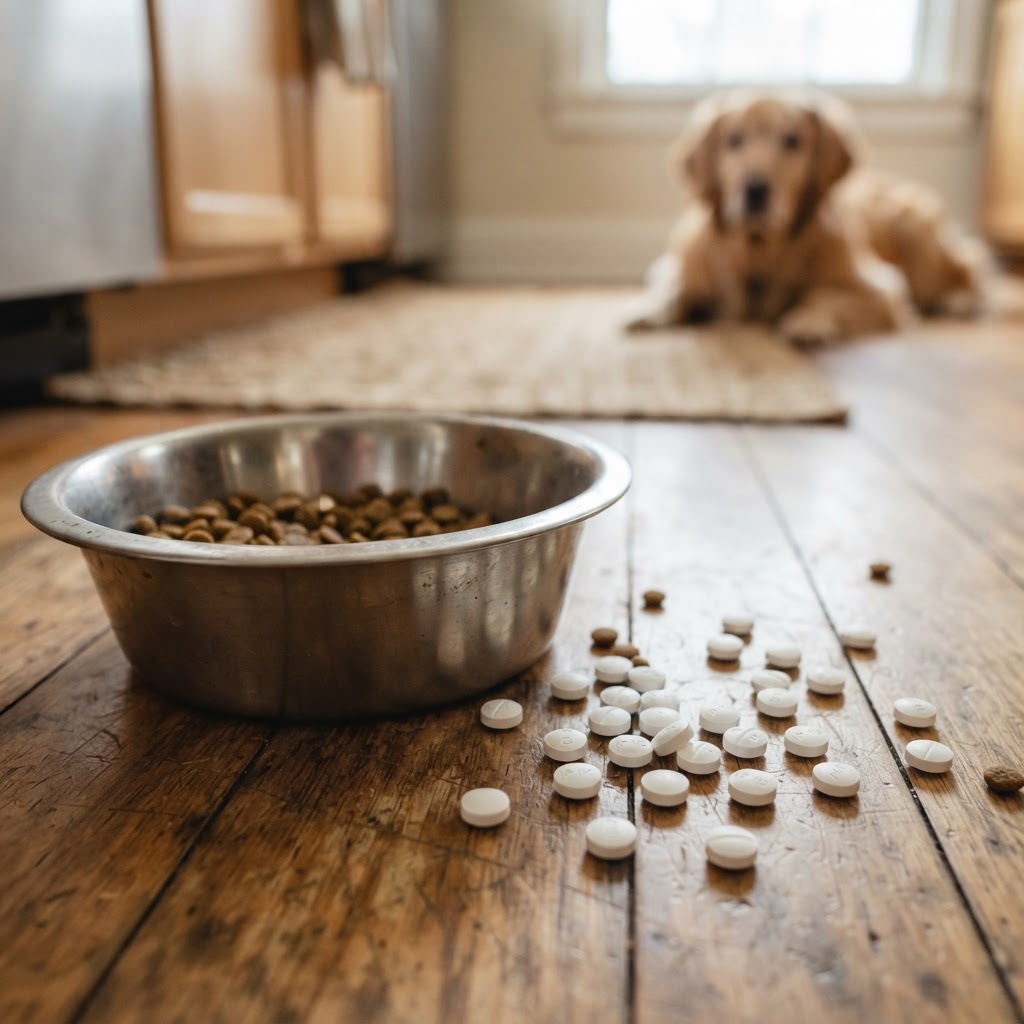
Can My Dog Take Human Pain Medication?
Never give your dog human pain medication without veterinary advice. Paracetamol, ibuprofen, and aspirin can be toxic or fatal. Learn what's safe and what isn't.
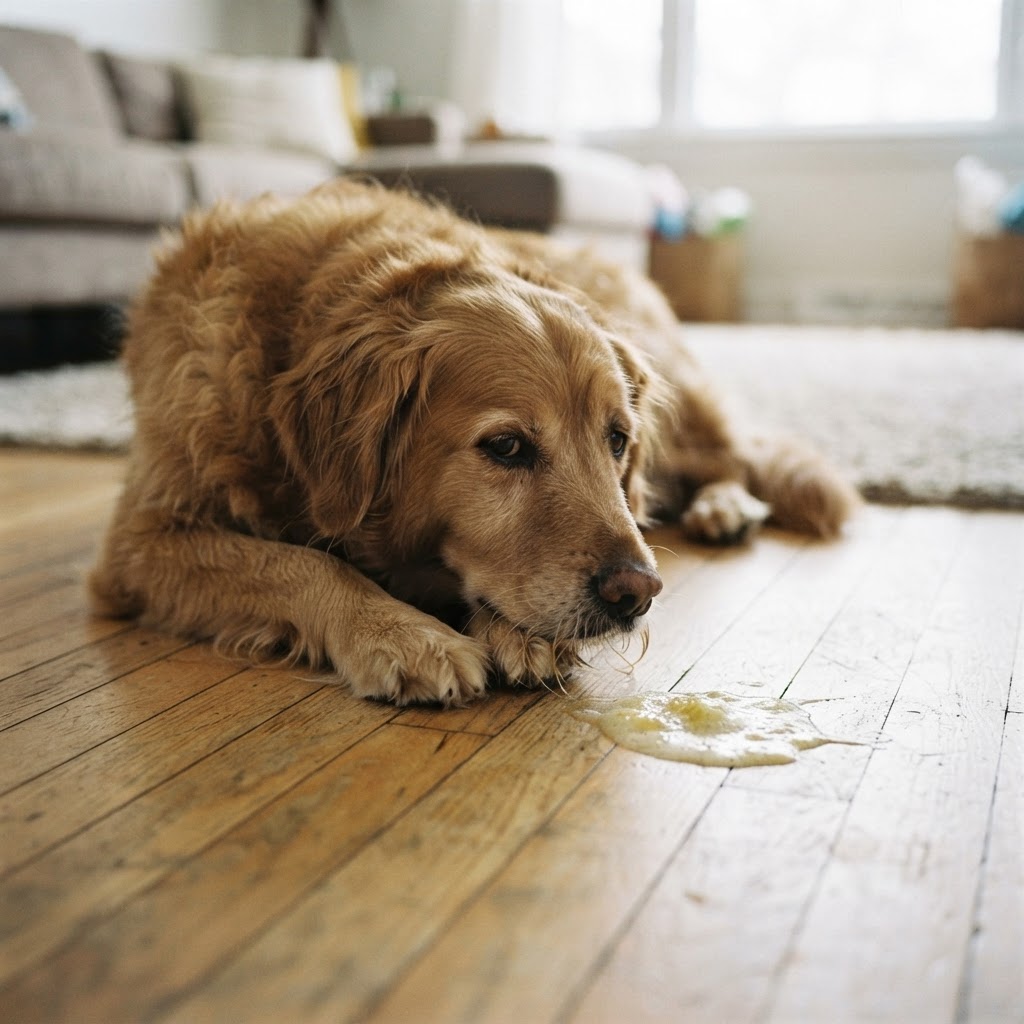
How Often Should My Dog Vomit Before I Worry?
Occasional vomiting may be normal in dogs, but repeated vomiting can be serious. Learn the difference between harmless and concerning vomiting.

Why Is My Dog's Nose Dry?
A dry nose doesn't necessarily mean your dog is sick. Learn the common causes of a dry nose and when you should actually be concerned.

My Dog Ate a Sock - What Should I Do?
Foreign body ingestion is one of the most common reasons for emergency surgery in dogs. Learn what happens when a dog eats a sock and what you should do.
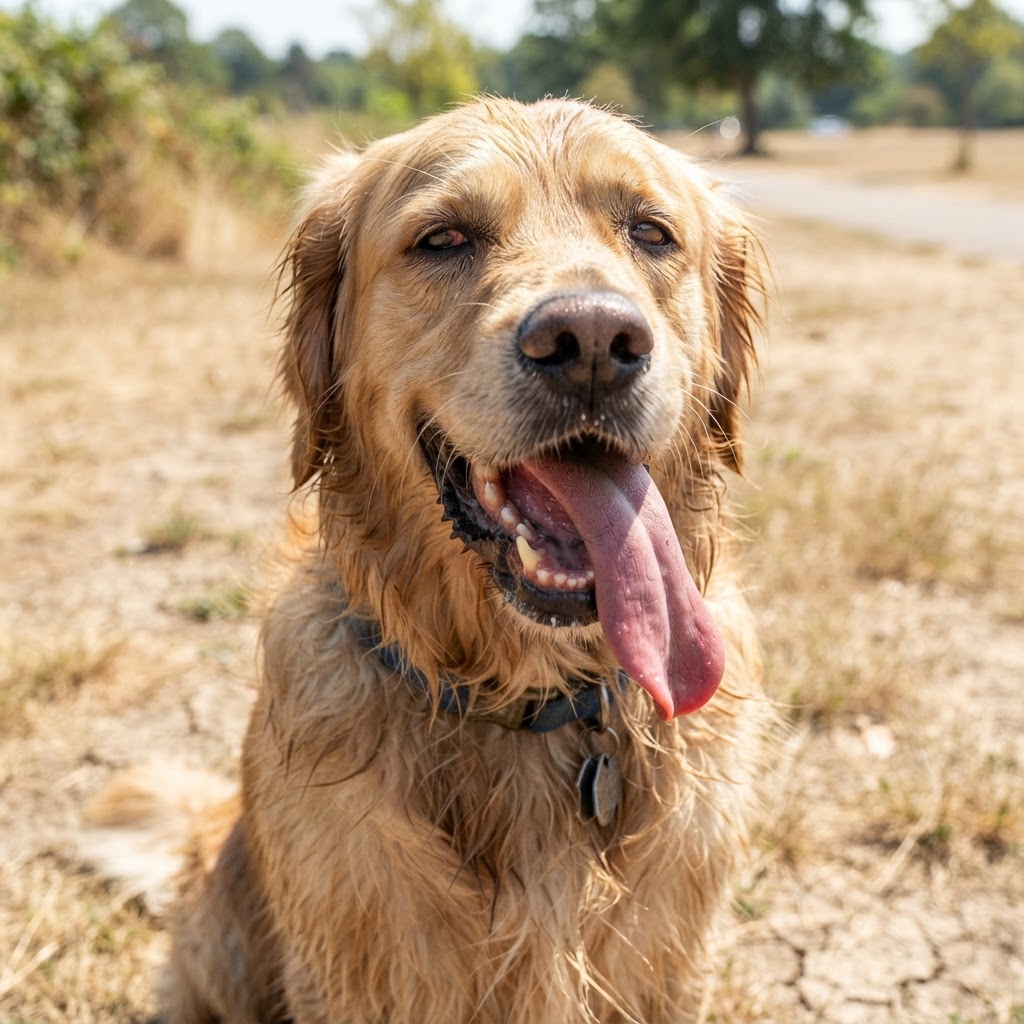
Heatstroke in Dogs - Signs, Treatment, and Prevention
Dogs can't sweat like humans and can overheat quickly. Heatstroke is a life-threatening emergency. Learn the signs, what to do, and how to prevent it.
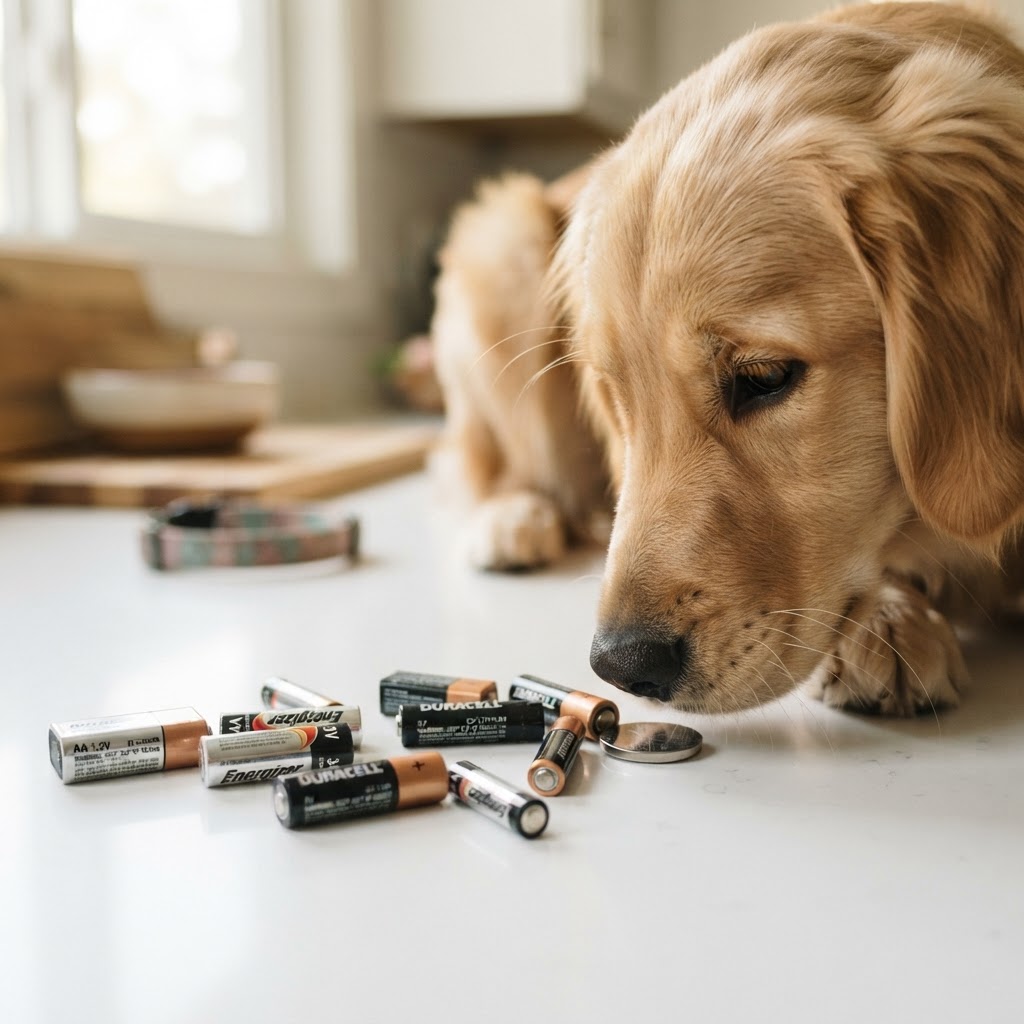
My Dog Ate a Battery - Is It an Emergency?
Batteries can cause severe chemical burns and heavy metal poisoning in dogs. Learn why this is always an emergency and what to do immediately.

Cat Vomiting: When to Worry and What to Do
Cats vomit hairballs often, but vomiting can also signal a blockage or serious illness. Learn the cat-specific red flags, when vomiting is an emergency, and why swallowed string is so dangerous.
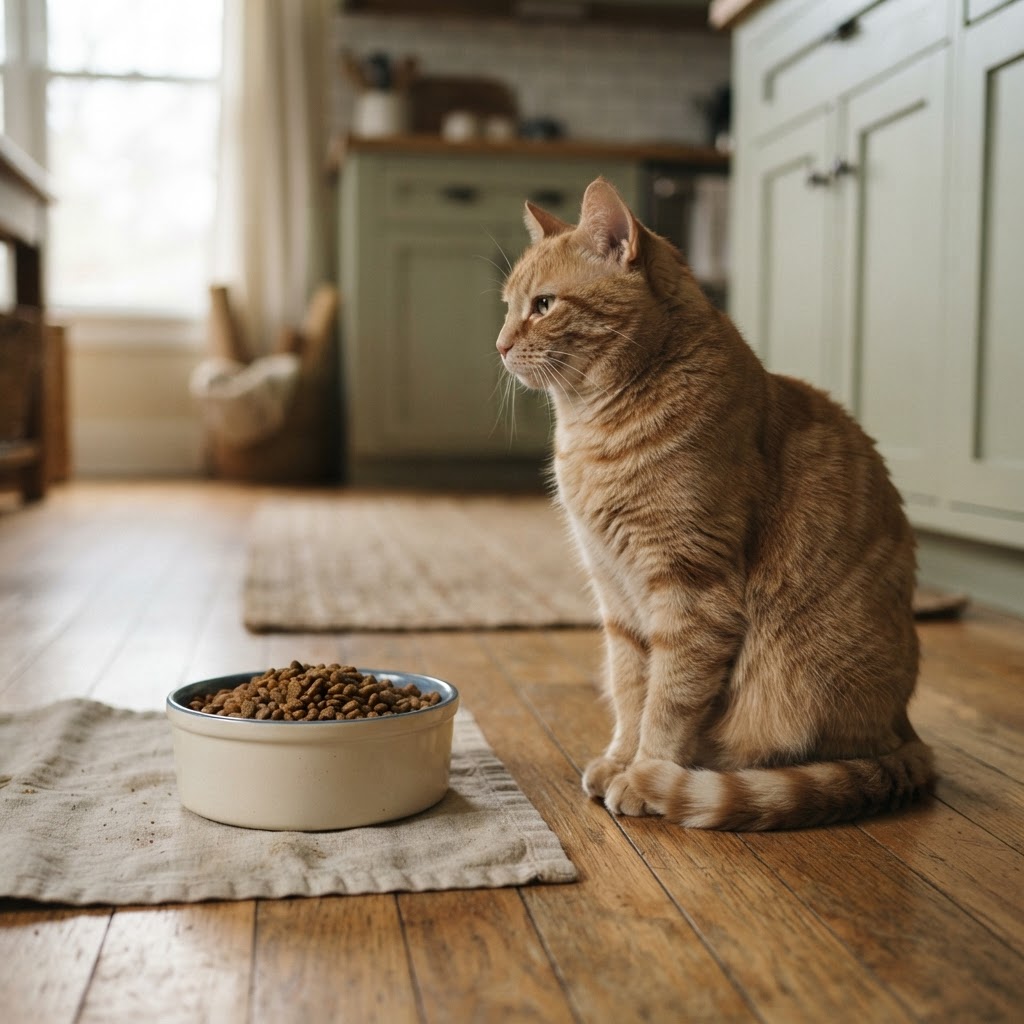
Cat Not Eating: When to Worry and What to Do
Cats that stop eating can develop a serious liver condition within days. Learn the cat-specific red flags, common causes, why prolonged anorexia is dangerous, and when not eating needs urgent care.
Cat Sneezing: When to Worry and What to Do
Sneezing in cats is often cat flu, a viral upper respiratory infection. Learn when sneezing is harmless, the red-flag signs, why congested cats stop eating, and when to see the vet.

Cat Hiding: When to Worry and What to Do
Cats hide when stressed, but hiding with not eating, not using the litter box, or pain can mean illness. Learn the cat-specific red flags and when a hiding cat needs urgent care.

Cat Diarrhoea: When to Worry and What to Do
Loose stools in cats are common, but cats dehydrate quickly and hide illness well. Learn the red-flag signs, common causes (including Giardia and IBD), and when cat diarrhoea needs urgent care.

Cat Lethargy: When to Worry and What to Do
Cats hide illness well, so a lethargic cat can be very sick. Learn how to tell tired from lethargic, the cat-specific red flags (pale gums, jaundice, urinary blockage), and when low energy is an emergency.

Cat Breathing Fast While Sleeping: Normal or Emergency?
Cats breathe faster during deep sleep and REM, but persistent rapid breathing while resting or sleeping can signal heart disease, pain, or respiratory illness. Learn how to tell the difference.

Cat Constipation: Causes, Home Remedies & When It's Serious
If your cat is straining in the litter box or has not produced stool in days, constipation could be the culprit. Learn the causes, safe home remedies, and when it becomes an emergency.
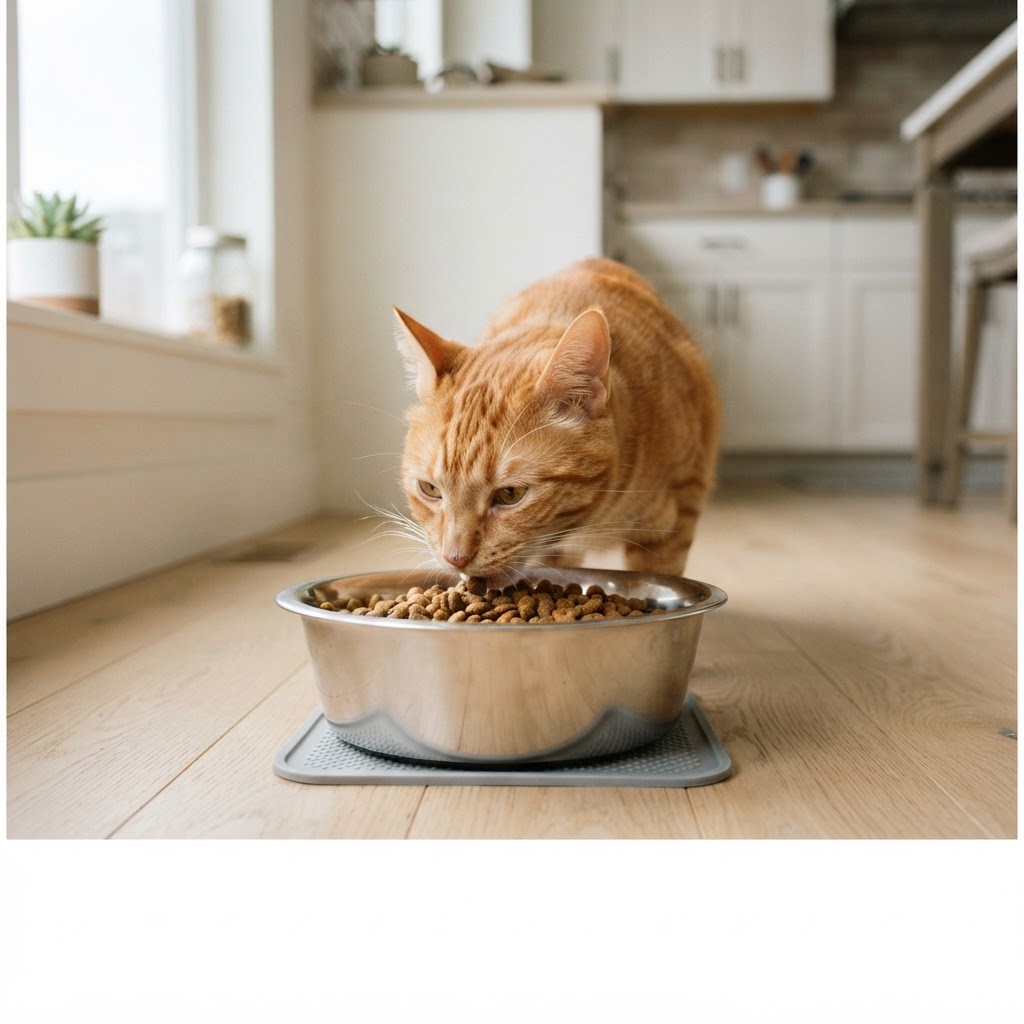
Cat Ate Dog Food? Is It Safe & What to Do
An occasional nibble of dog food will not harm your cat, but regular meals can cause serious deficiencies. Learn why cats and dogs need different diets and when to worry.
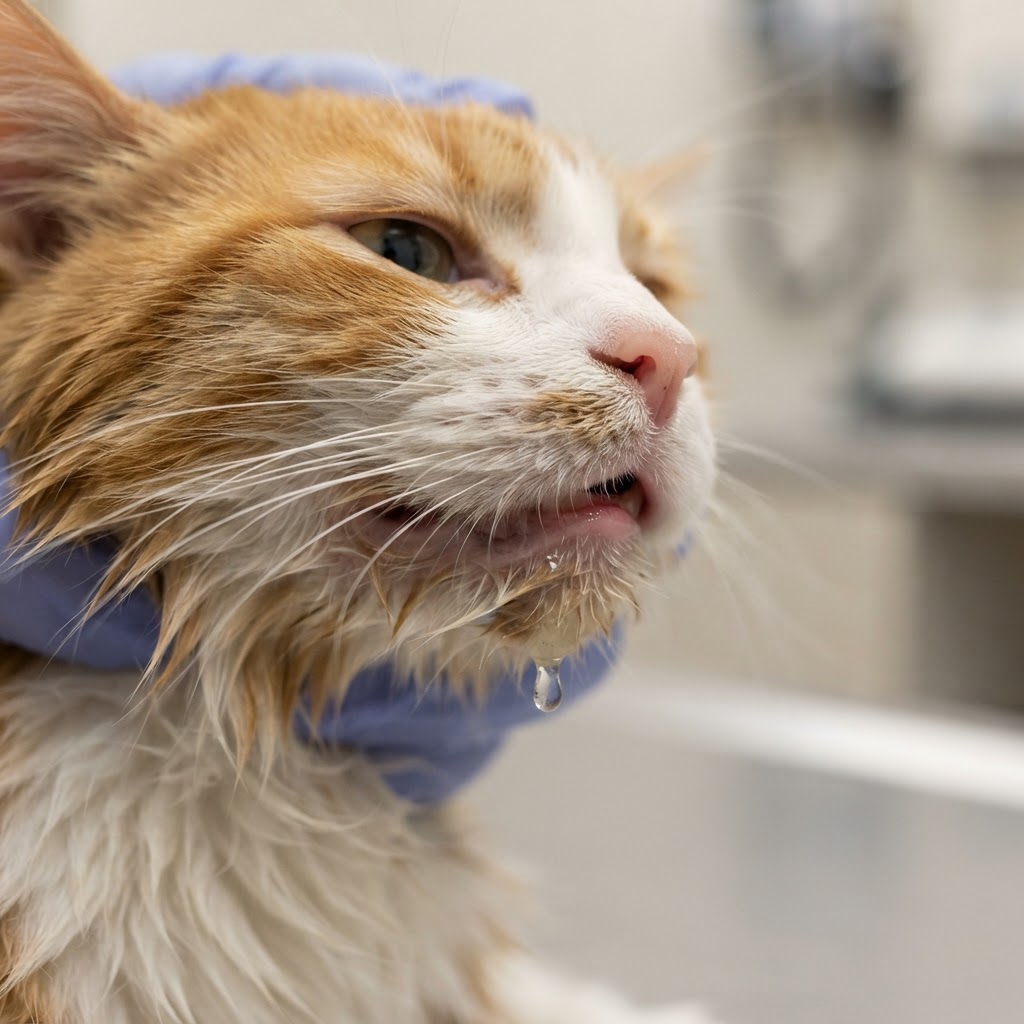
Why Is My Cat Drooling? 7 Causes & When to Worry
Sudden drooling in cats is almost always a sign of an underlying problem. From dental disease to toxin exposure, learn what causes excessive drooling and when it is an emergency.

Cat Ate a Lily? Why Every Minute Counts in This Emergency
Lilies are extremely toxic to cats and can cause fatal kidney failure within hours. Learn which parts are dangerous, the early warning signs, and what to do right now.

Cat Ate String? Why This Common Emergency Is So Dangerous
String, thread, and dental floss can slice through a cat's intestines under tension. Learn why linear foreign bodies are uniquely dangerous and what to do immediately.
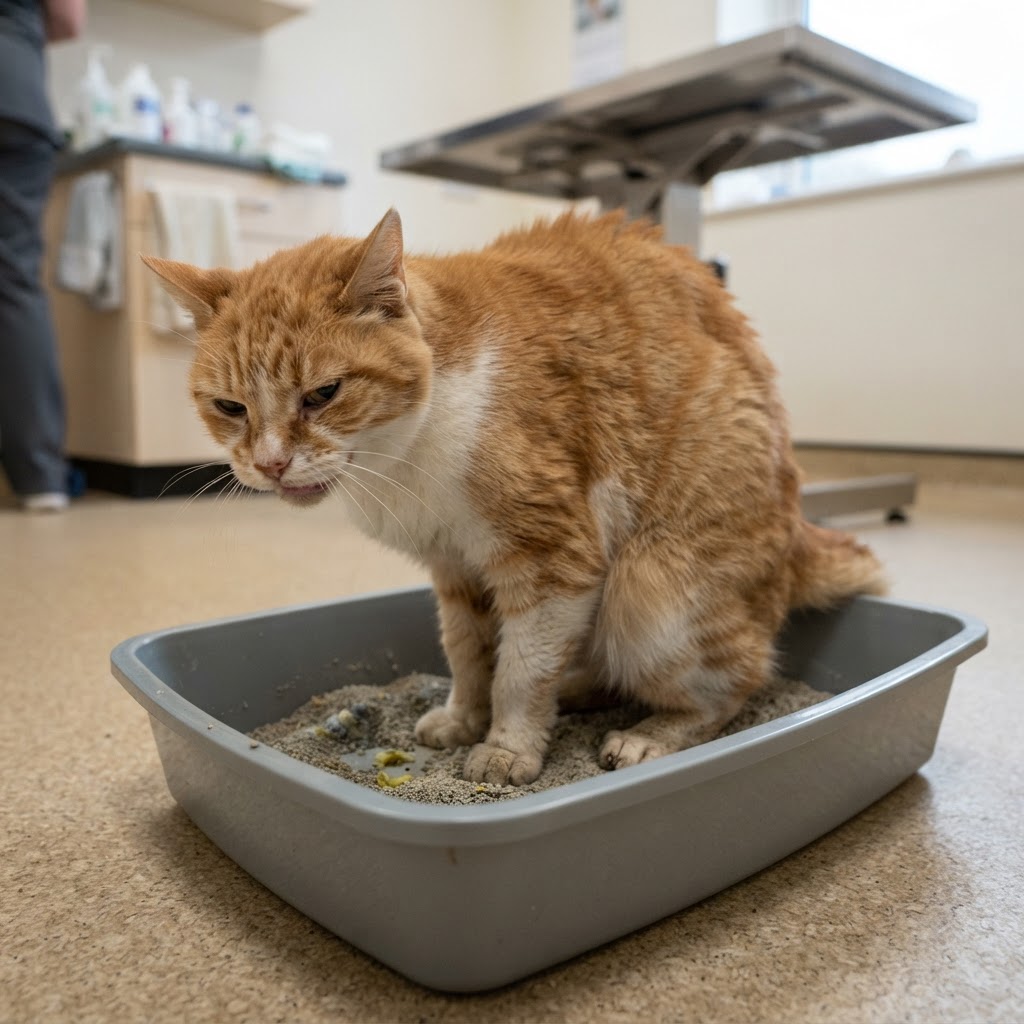
Cat Straining to Pee - Urinary Blockage Emergency
A cat straining to urinate, especially a male cat, may have a life-threatening urinary blockage. Learn the signs and why you need to rush to the vet immediately.

Why Is My Cat Losing Hair? Causes & Treatment
Hair loss in cats can be caused by allergies, parasites, stress, or serious illness. Learn the common causes of feline hair loss and when to see the vet.
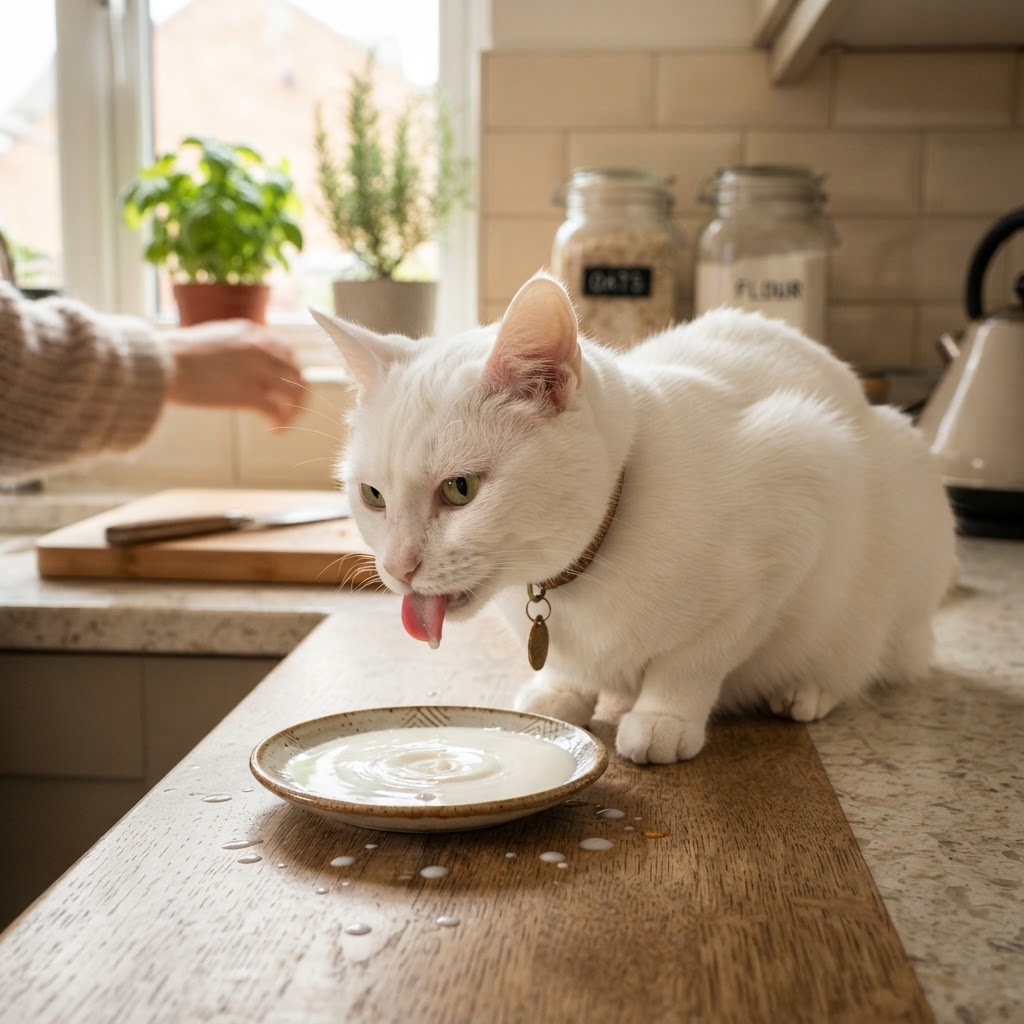
Can Cats Drink Milk?
Despite the popular image of cats lapping up saucers of milk, most adult cats are lactose intolerant. Learn why milk isn't good for cats and what to offer instead.

Why Is My Cat Urinating Outside the Litter Box?
Inappropriate urination is one of the most common - and frustrating - cat behaviour issues. Learn the medical and behavioural causes and how to address them.

My Cat Is Hiding and Not Coming Out - Is This Normal?
Cats may hide due to stress, illness, or environmental changes. Learn when hiding is normal behaviour and when it's a sign of a problem.
Rabbit Not Eating: Emergency (GI Stasis) and When to Worry
A rabbit that stops eating often has GI stasis, a true emergency that can be fatal within a day. Call a rabbit-savvy vet the same day; don't wait.
Rabbit Not Pooping: When to Worry (GI Stasis)
A rabbit not pooing often has GI stasis, an emergency. Healthy rabbits poo constantly, so reduced droppings mean call a rabbit-savvy vet the same day.
Rabbit Breathing Fast or Mouth Breathing: Emergency
Rabbits can't mouth-breathe for long, so fast or mouth-open breathing is an emergency. Learn the red flags and why to call a vet now.
Rabbit Head Tilt: When to Worry (Ear Infection or EC)
A head tilt in a rabbit is usually an inner-ear infection or parasite, both need a vet. Rolling or falling over is an emergency.
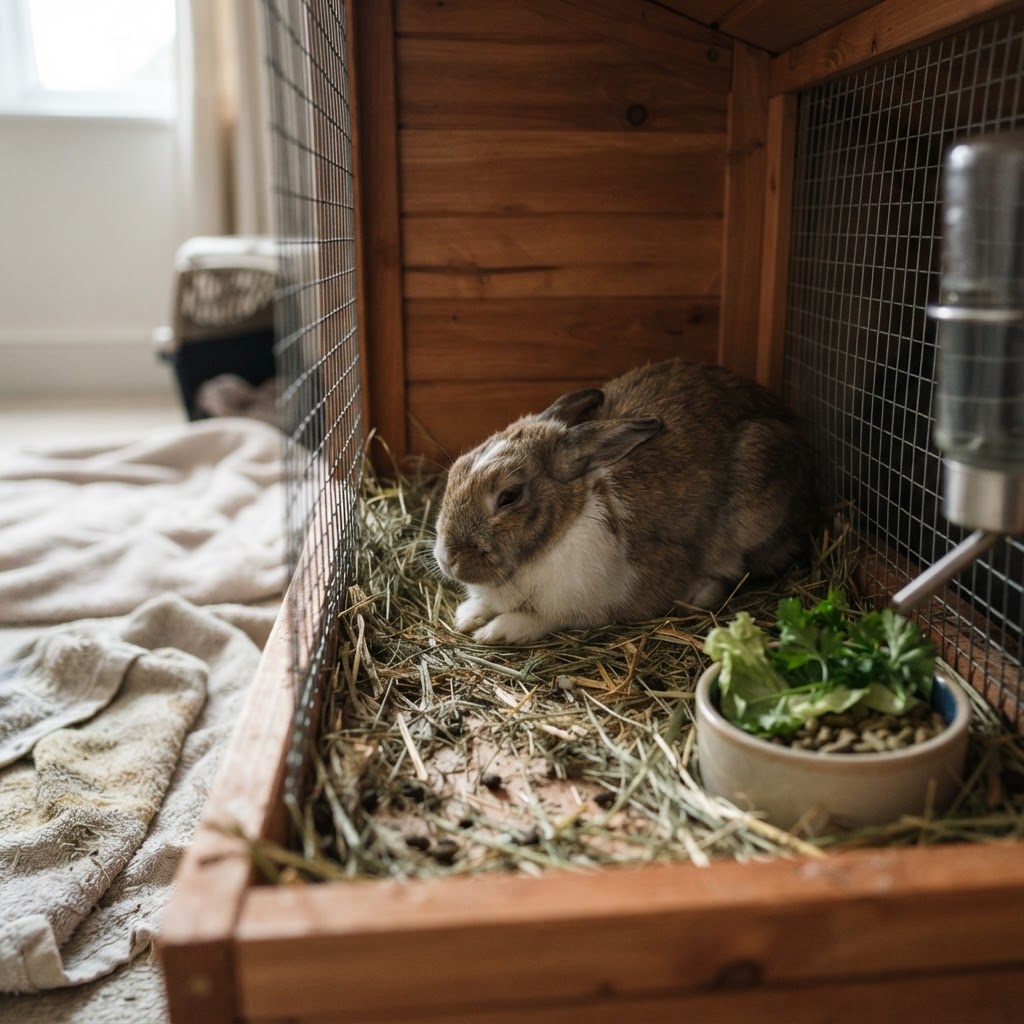
My Rabbit Stopped Eating - Is This an Emergency?
Rabbits have a unique digestive system that must keep moving. If your rabbit stops eating, it can be fatal within hours. Learn the signs and what to do.
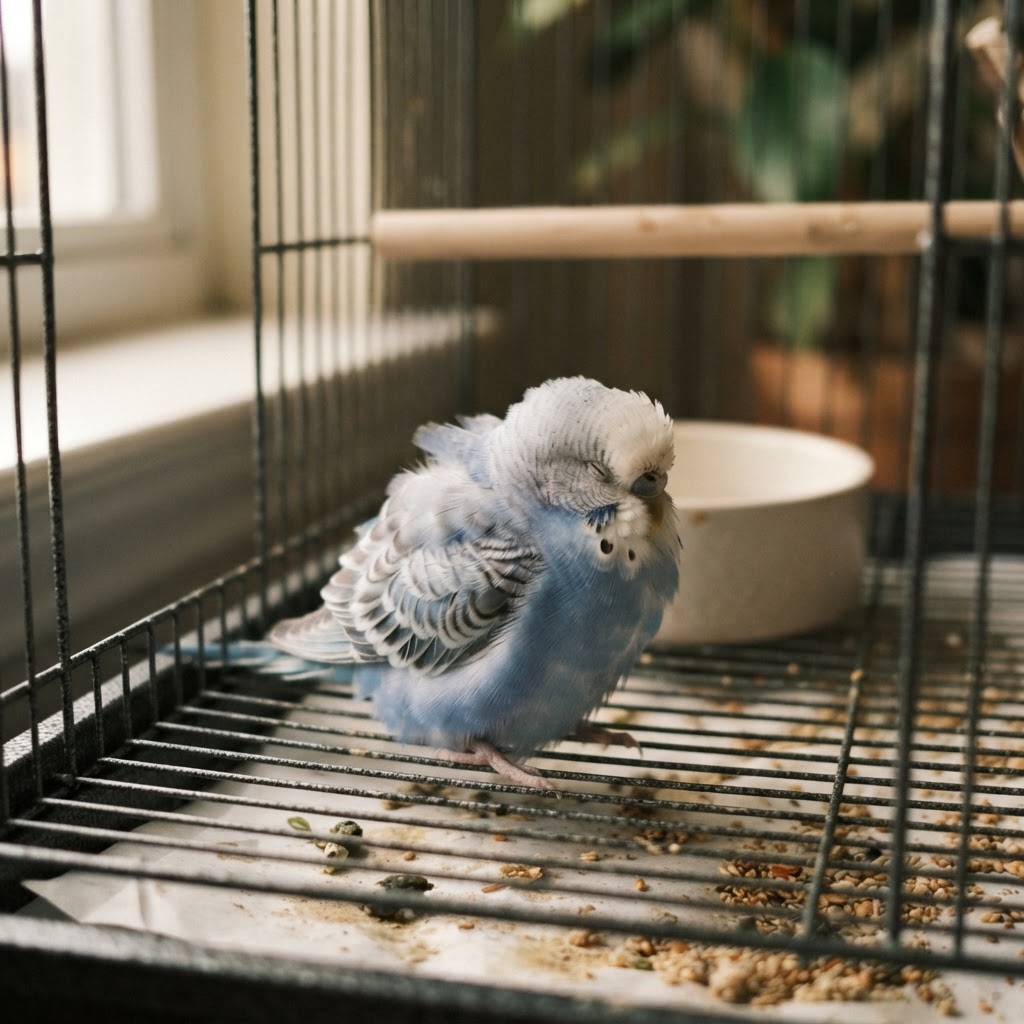
Bird Fluffed Up and Not Moving: When to Worry
A bird that sits fluffed up and inactive for hours is usually unwell, fluffing is the classic sign of illness in pet birds. Learn the red flags that mean call an avian vet today.
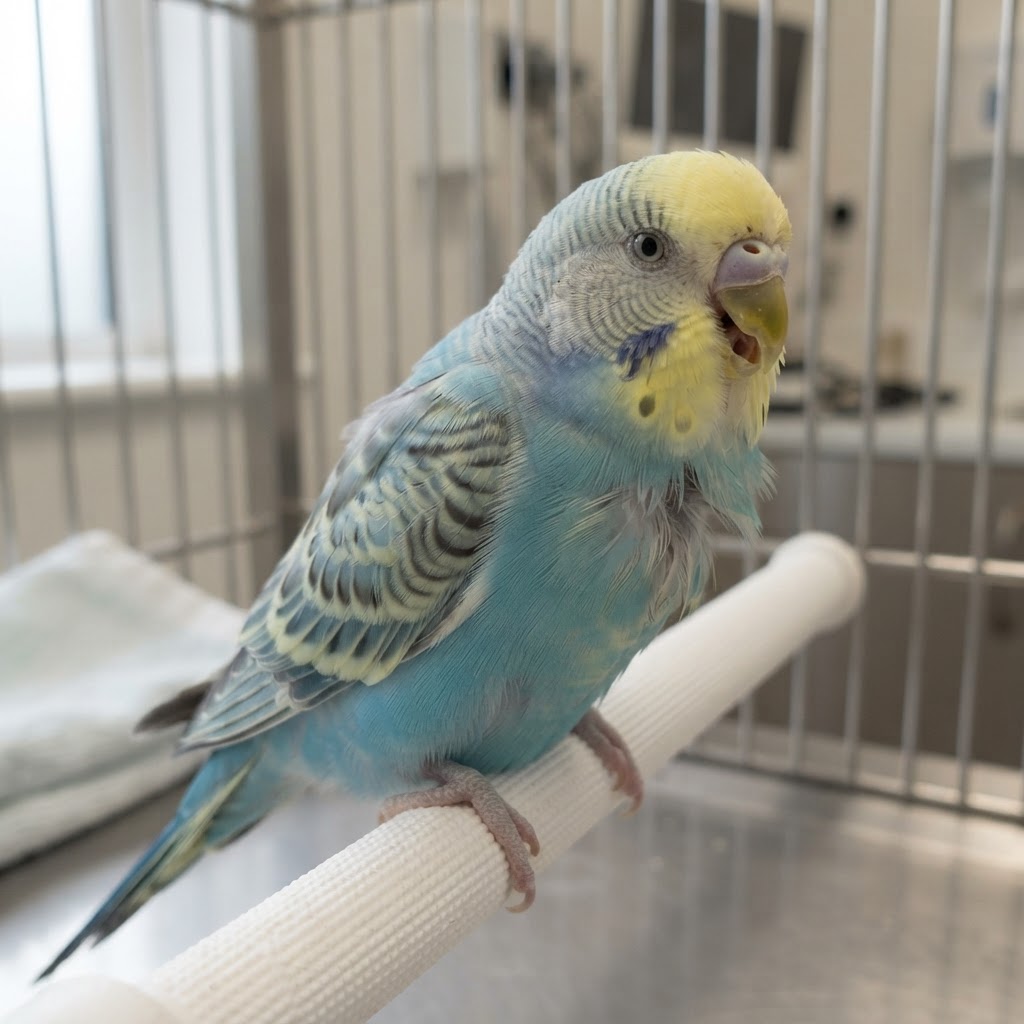
Bird Tail Bobbing or Breathing Hard: When to Worry
Tail bobbing or open-mouth breathing means a bird is in respiratory distress, a true emergency often caused by infection or inhaled fumes. Here is what to do now.
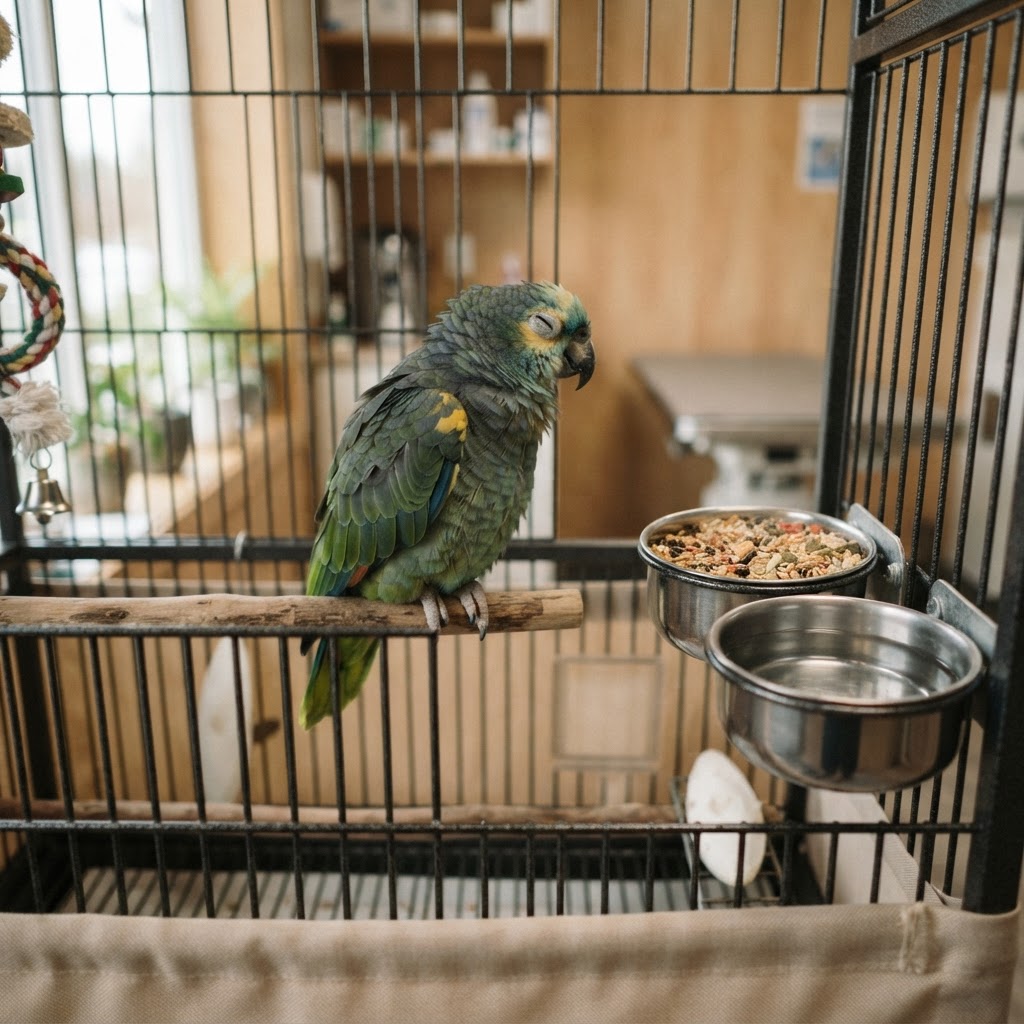
Bird Not Eating or Drinking: When to Worry
A bird that stops eating is unwell and can decline within a day due to a fast metabolism. Learn the red flags, causes and what to do right now.
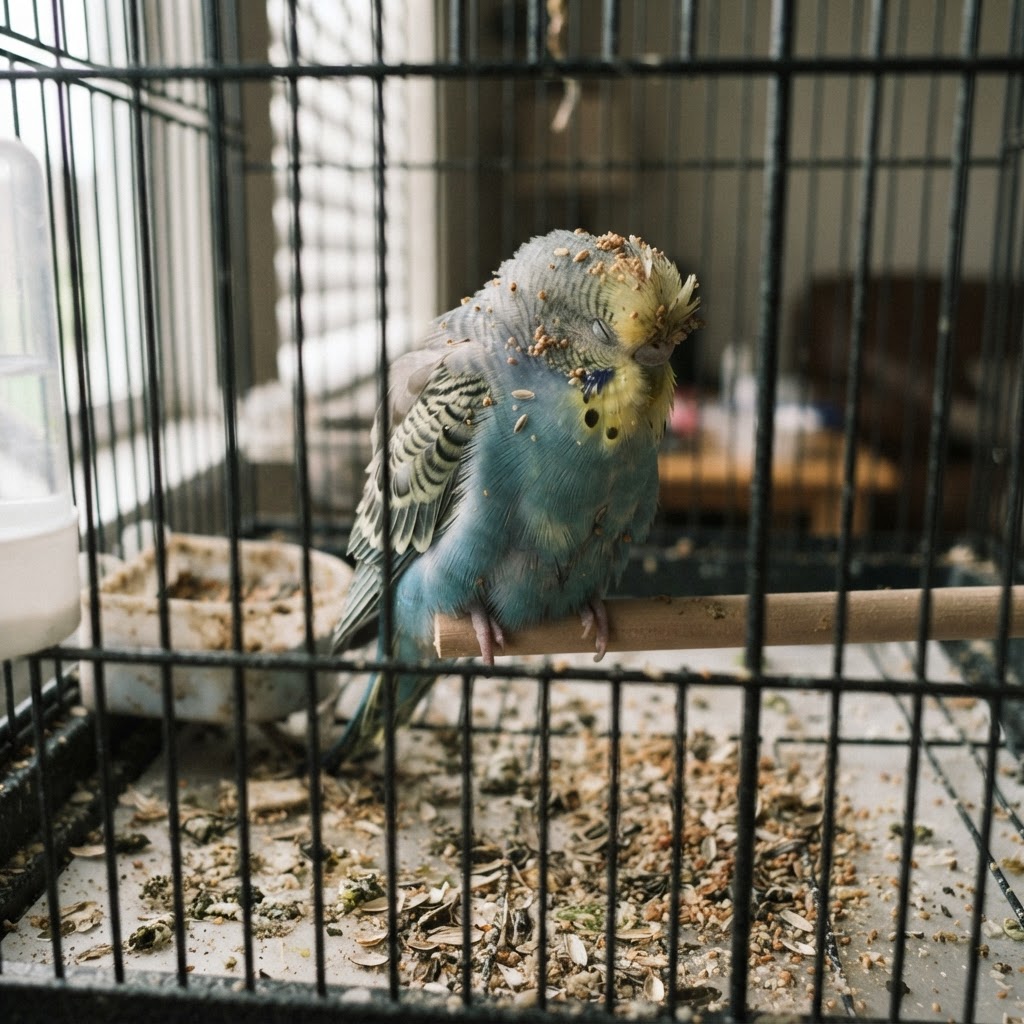
Bird Vomiting or Regurgitating: When to Worry
Regurgitation can be normal bird behaviour, but true vomiting with lethargy or a swollen crop is a red flag. Learn how to tell the difference and when to act.
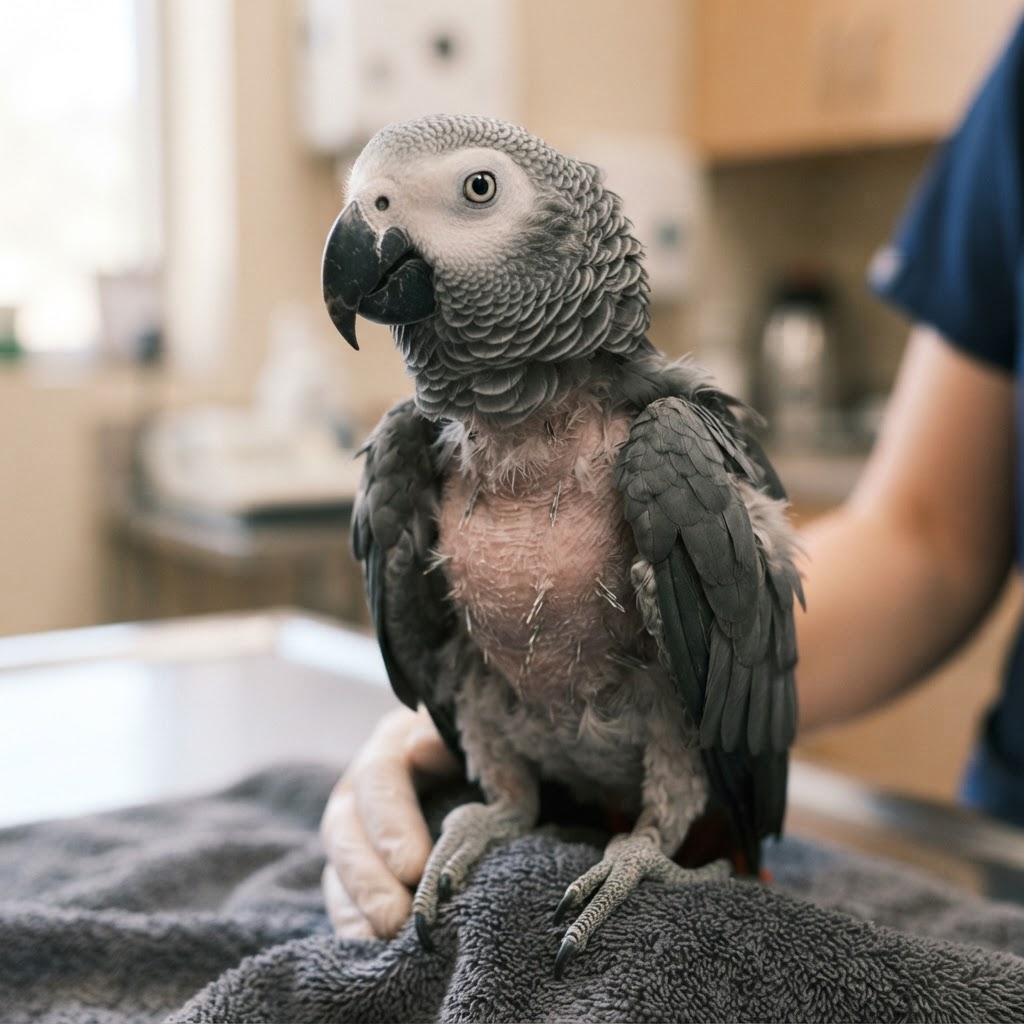
Bird Feather Plucking and Self-Mutilation: When to Worry
Feather plucking can be medical or behavioural, but bleeding, wounds or sudden spreading is always a vet issue. Learn causes and what to do now.
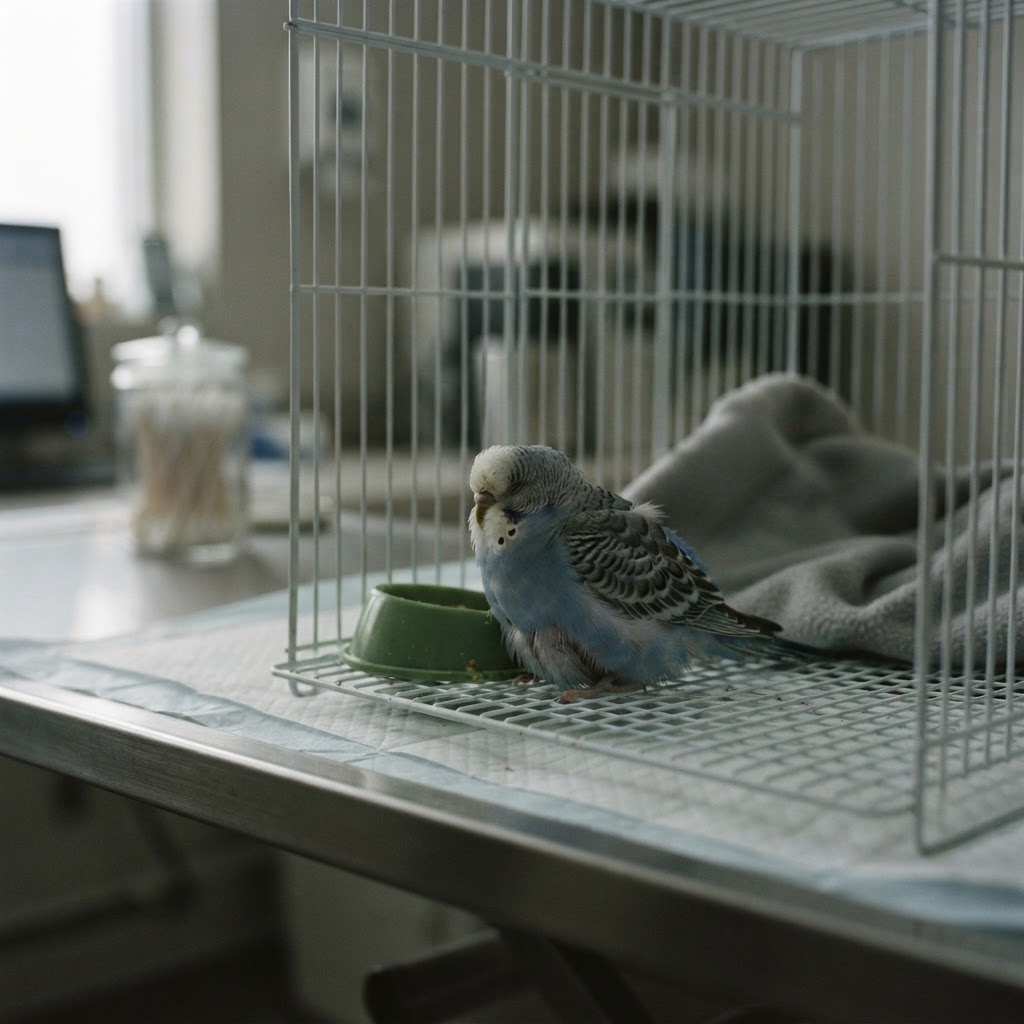
Bird Egg Binding: Emergency Signs and What to Do
Egg binding is a life-threatening emergency in female birds. If your hen is straining, fluffed on the floor and swollen, act now, delays can be fatal.
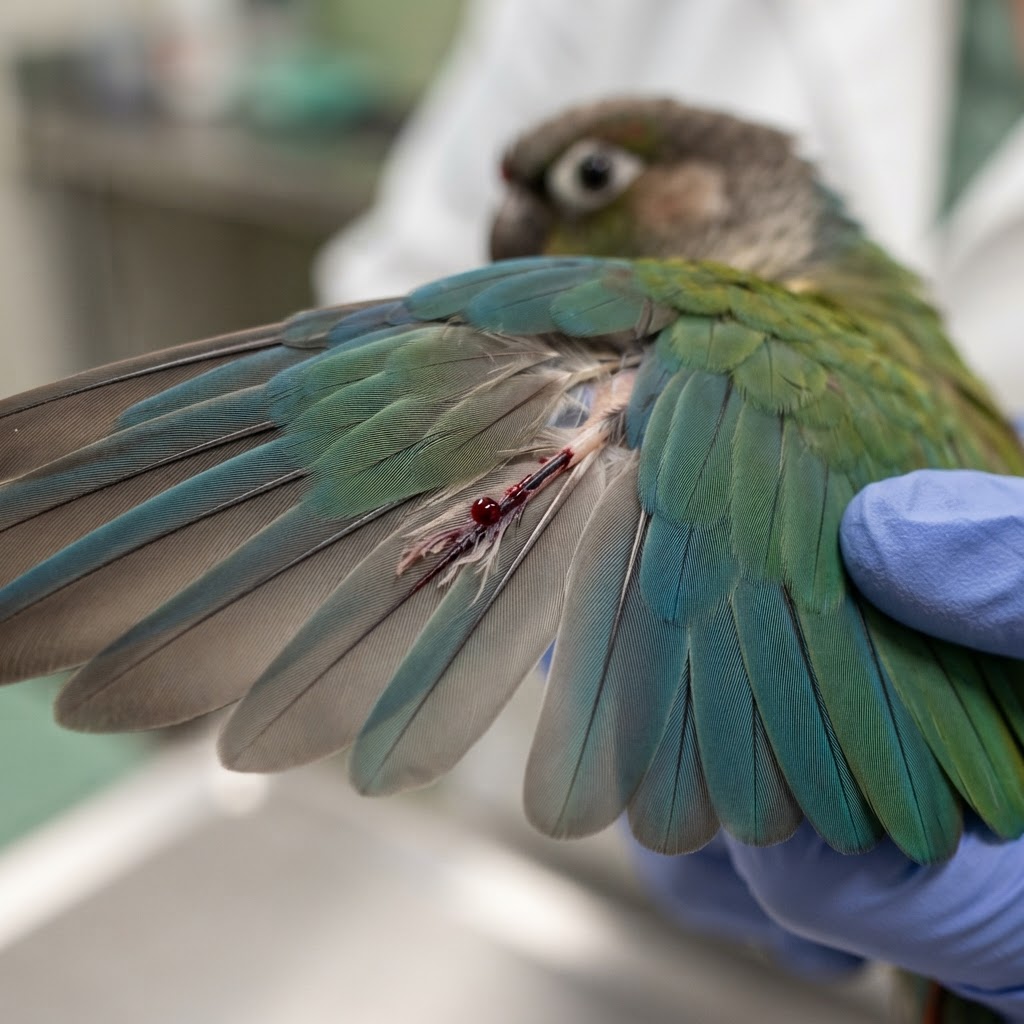
Bird Broken or Bleeding Blood Feather: When to Worry
A broken blood feather can bleed heavily. Learn how to stop the bleeding, when pulling is needed, and when it's a vet emergency.
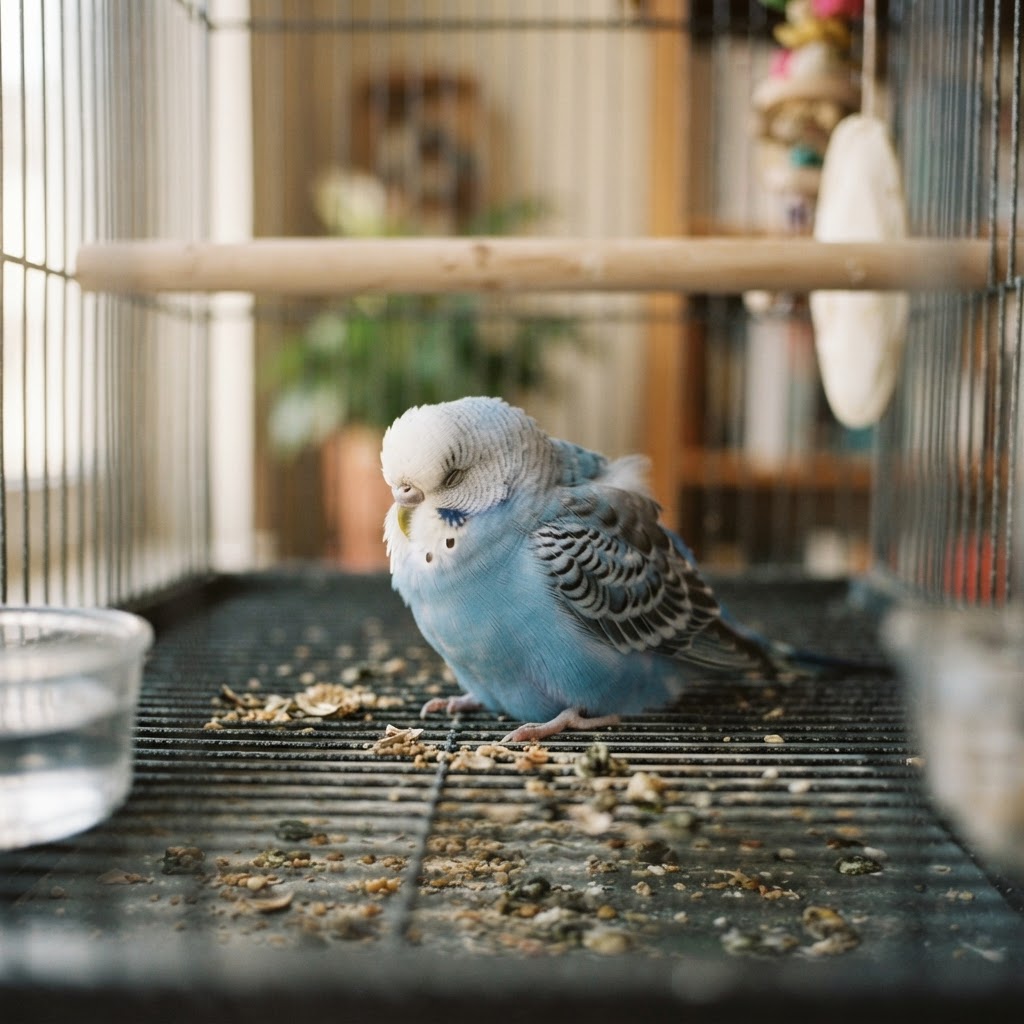
Bird Lethargic and on the Cage Floor: When to Worry
A bird sitting lethargic on the cage floor instead of perching is seriously unwell. Learn red flags, causes, and why to act today.
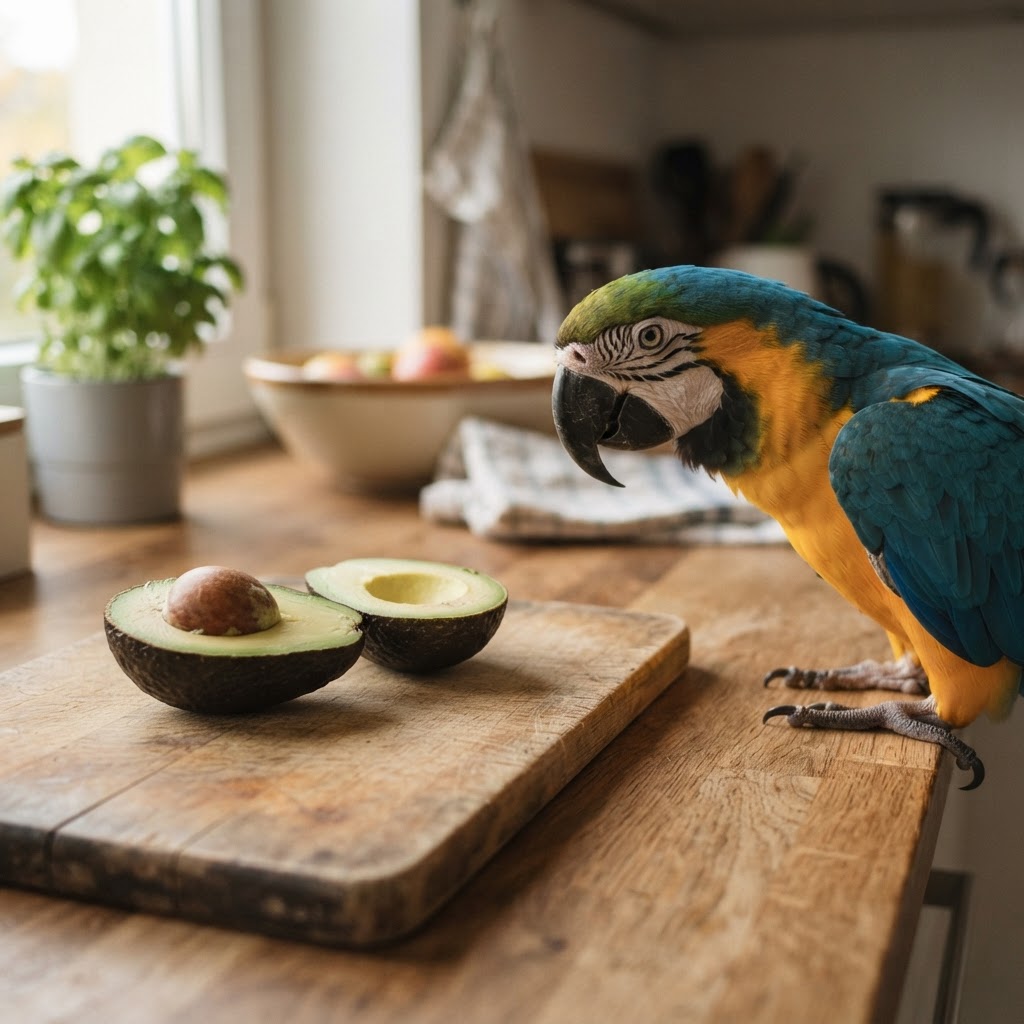
Can Birds Eat Avocado? Toxicity and What to Do
No, avocado is toxic to birds. Persin can cause fatal heart and breathing failure, so never feed it and act fast if your bird eats any.
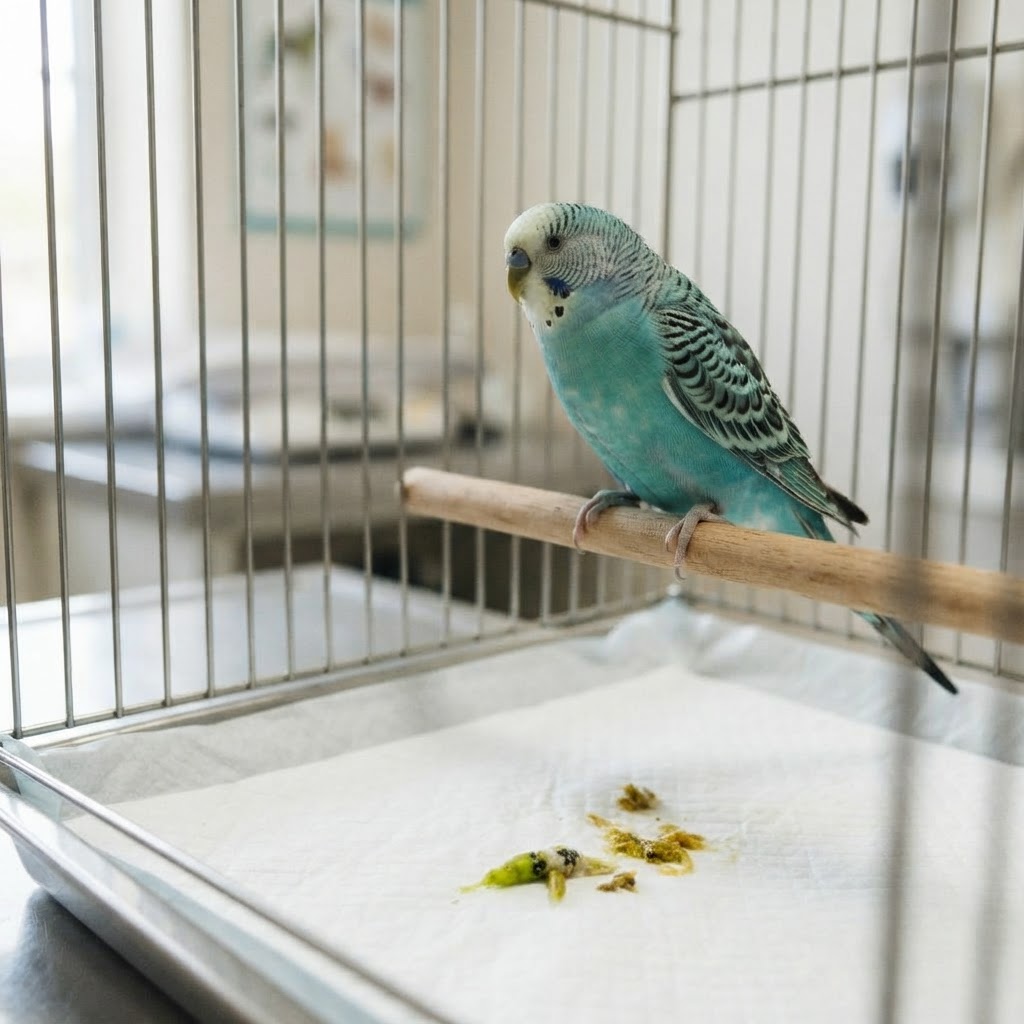
Bird Abnormal Droppings: When to Worry
Dropping changes are one of the earliest signs a bird is unwell. Learn what's normal, the red-flag colours, and when to call an avian vet.
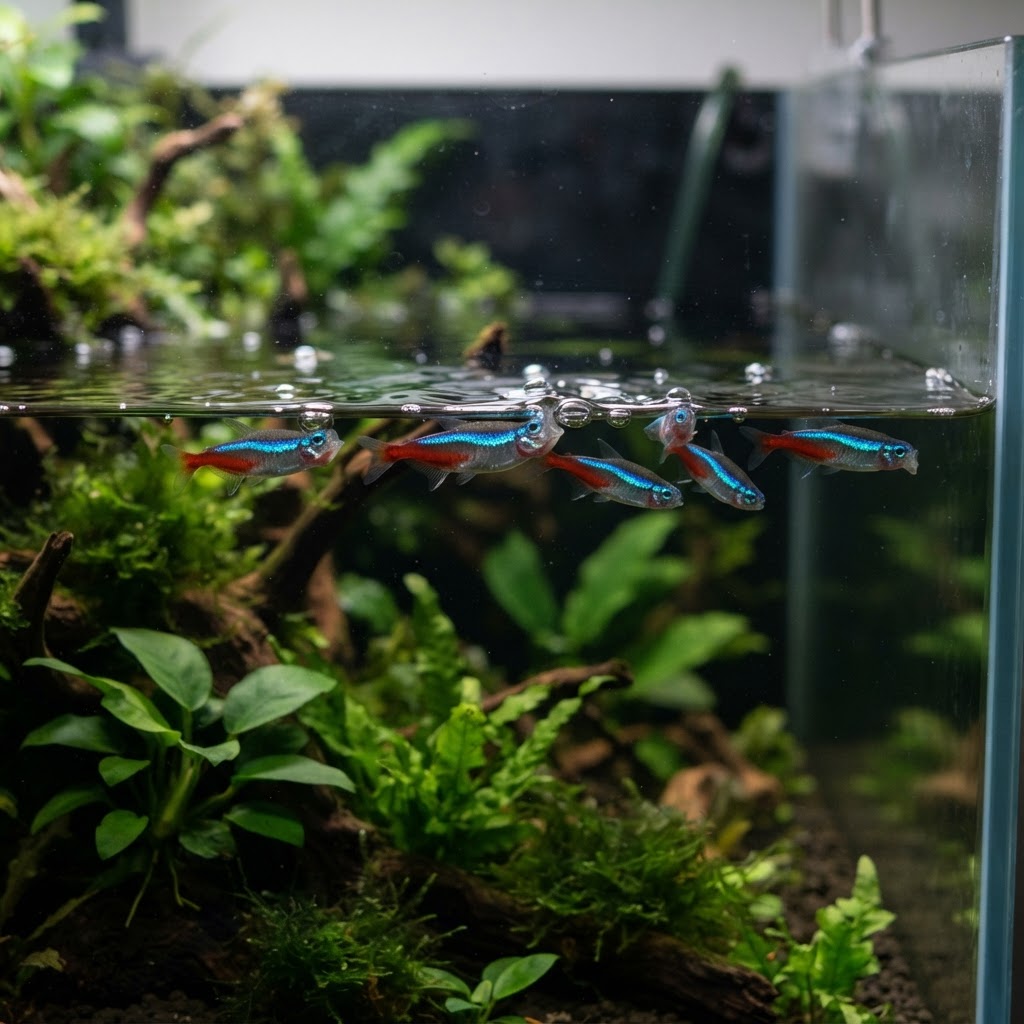
Fish Gasping at the Surface: When to Worry
Fish gasping at the surface usually means poor water quality or low oxygen, not disease. Test your water immediately, ammonia and nitrite can kill within hours.
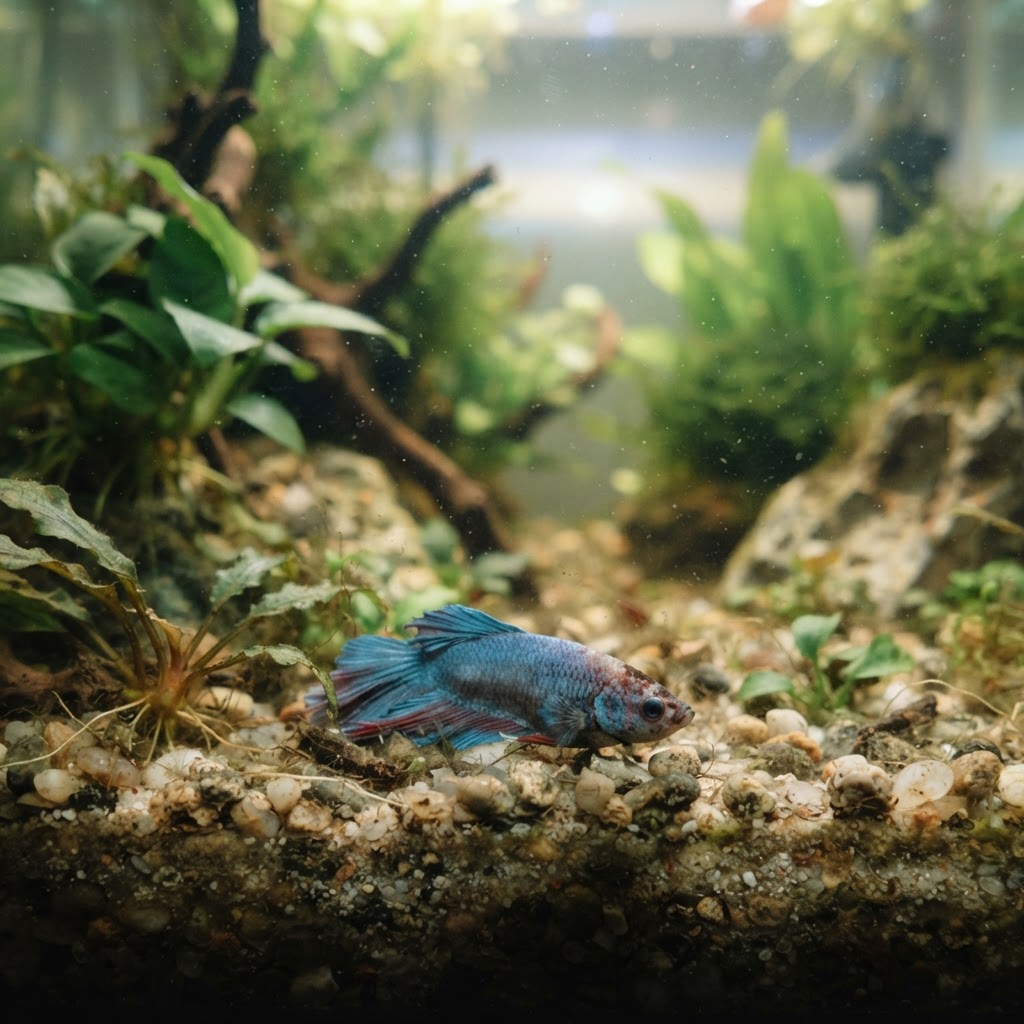
Fish Laying on the Bottom: When to Worry
A fish lying on the bottom can be resting or unwell. Learn when it's normal, when it's a red flag, and how to test the water to find out.
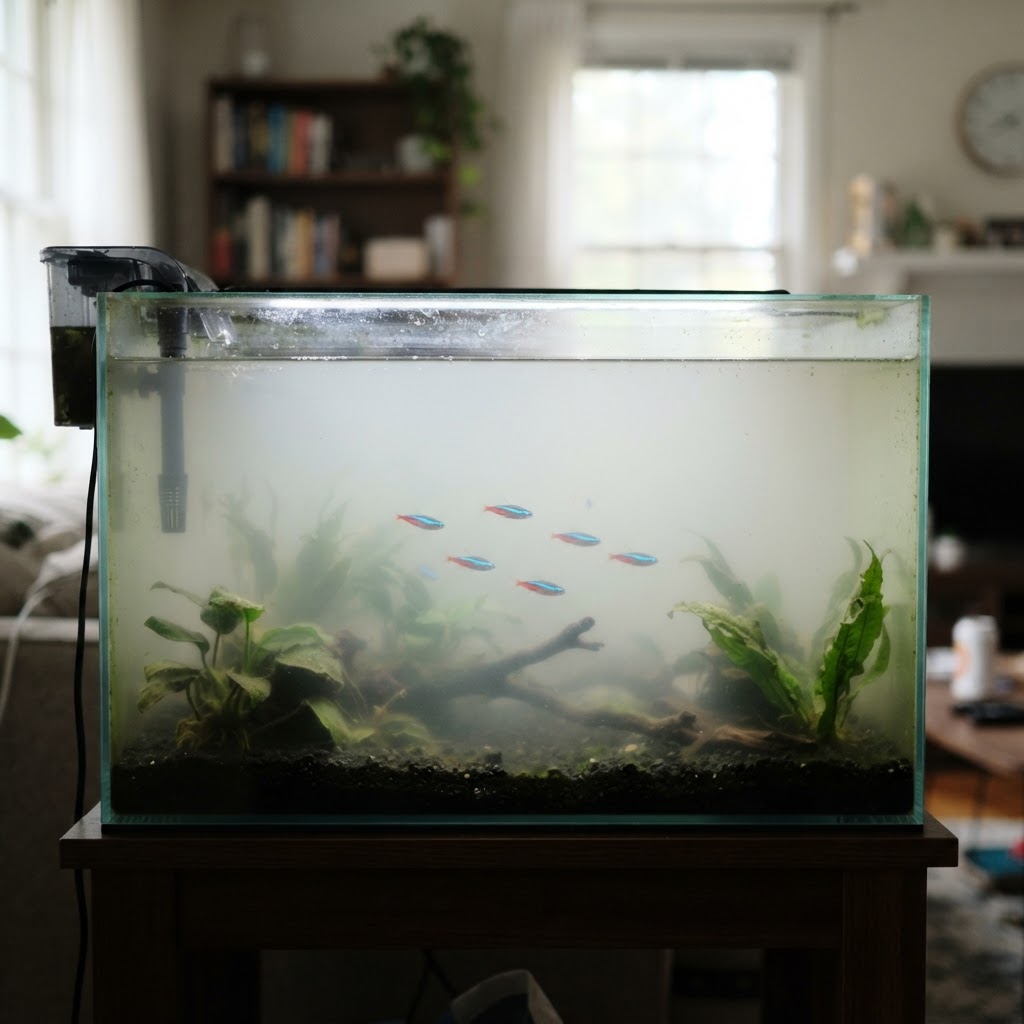
Cloudy Aquarium Water: Causes and When to Worry
Cloudy water is usually a bacterial bloom or a cycling tank, not a disease. Learn when it's harmless, when it's a red flag, and how to fix it.
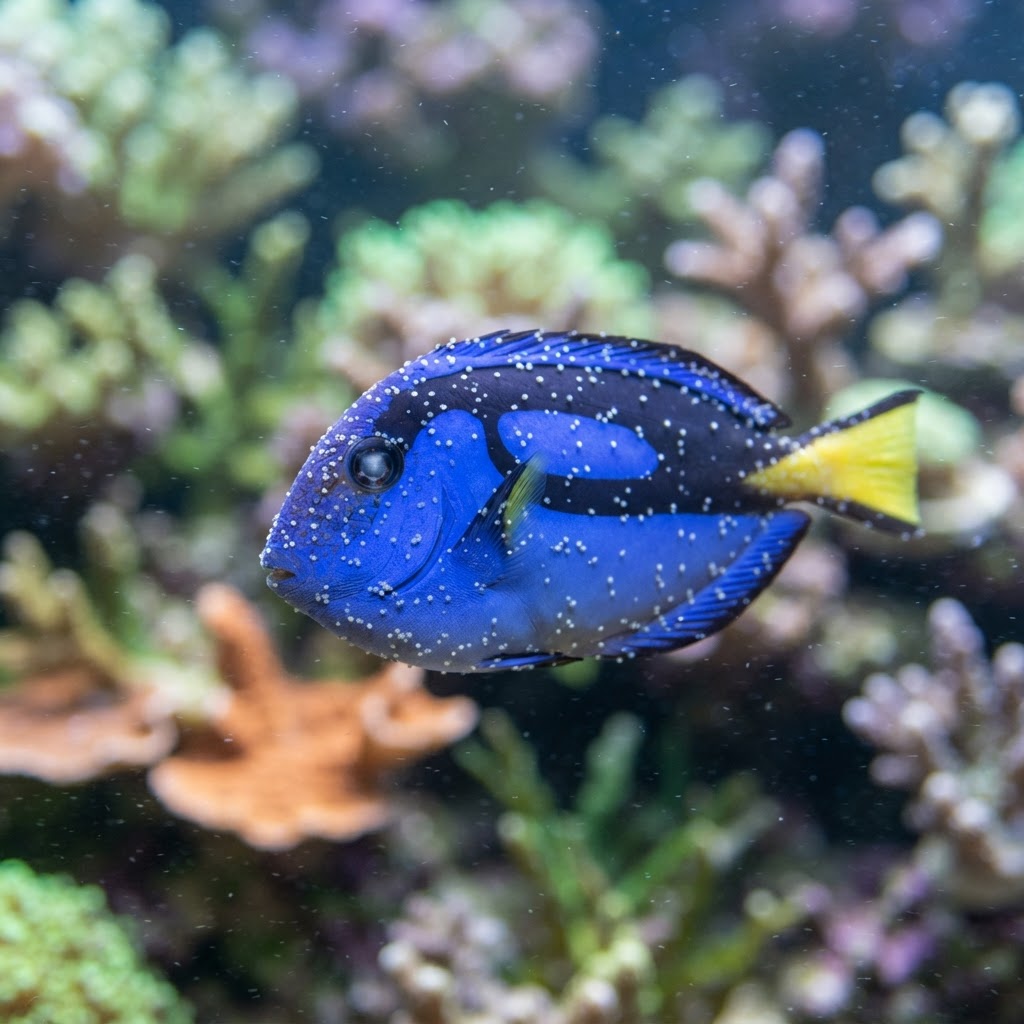
Fish White Spots (Ich): When to Worry and Treat
Salt-like white spots on your fish mean ich (white spot disease), a common parasite. Learn how to confirm it, raise the temperature, and treat the whole tank.
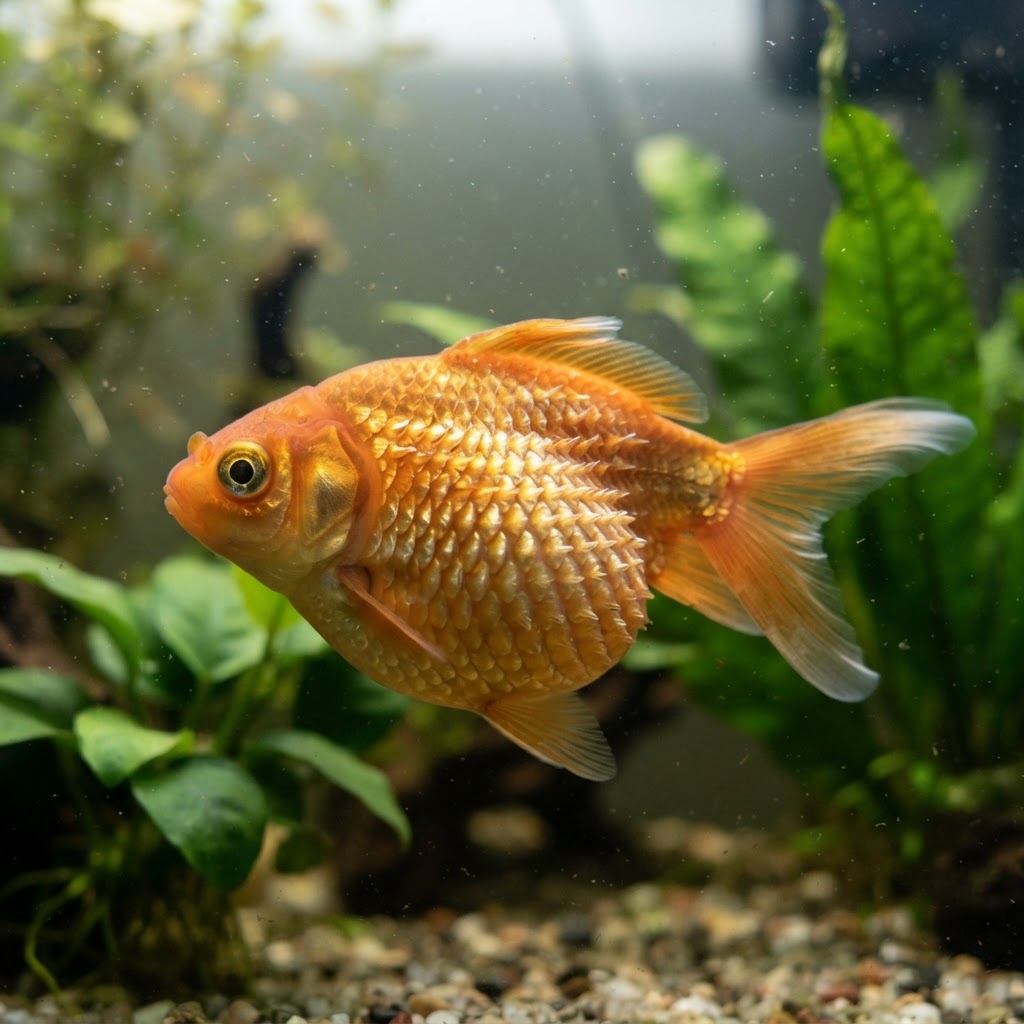
Fish Bloated or Dropsy (Pinecone Scales): When to Worry
Pinecone scales and a swollen belly mean dropsy, a sign of organ failure, not one disease. Learn what to do now and why it's hard to reverse.
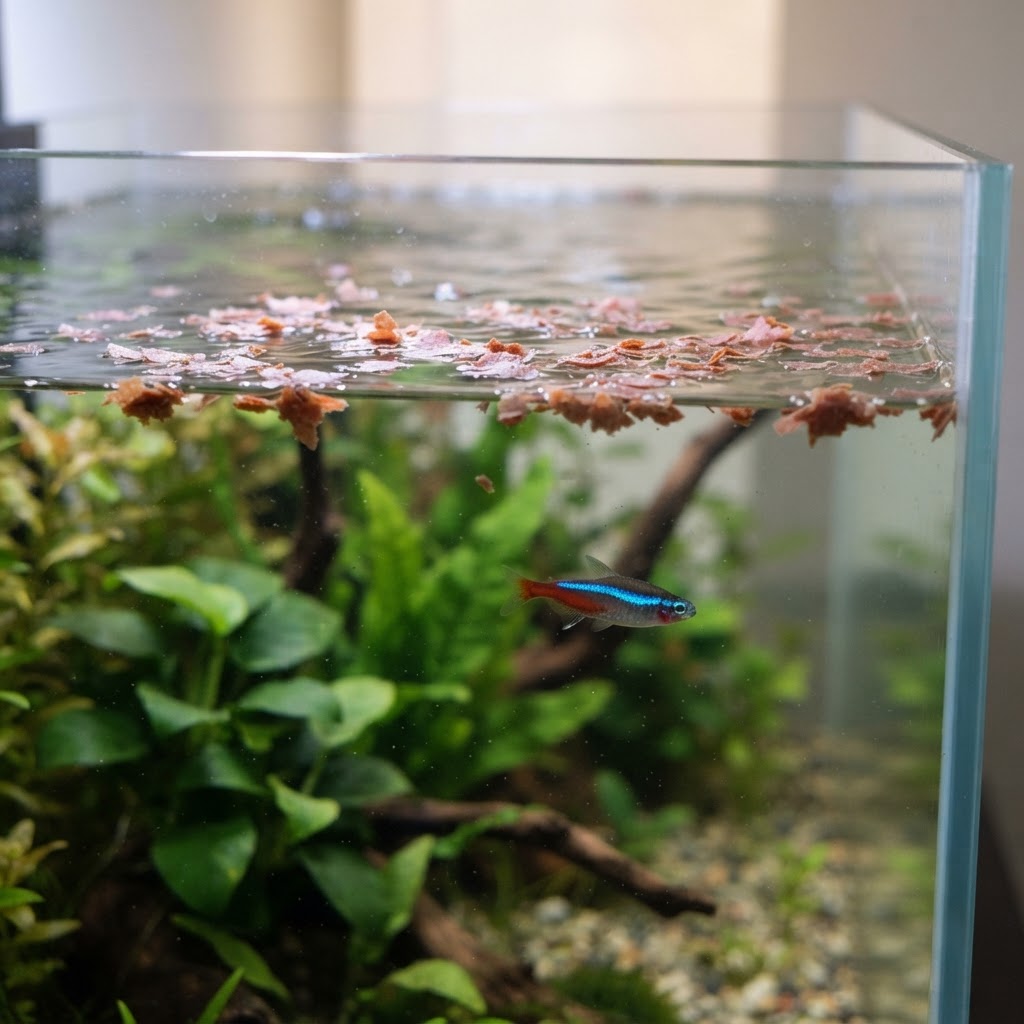
Fish Not Eating: When to Worry and What to Do
A fish not eating is usually stressed or unwell, most often water quality. Learn what to test, what to do, and how long is safe.
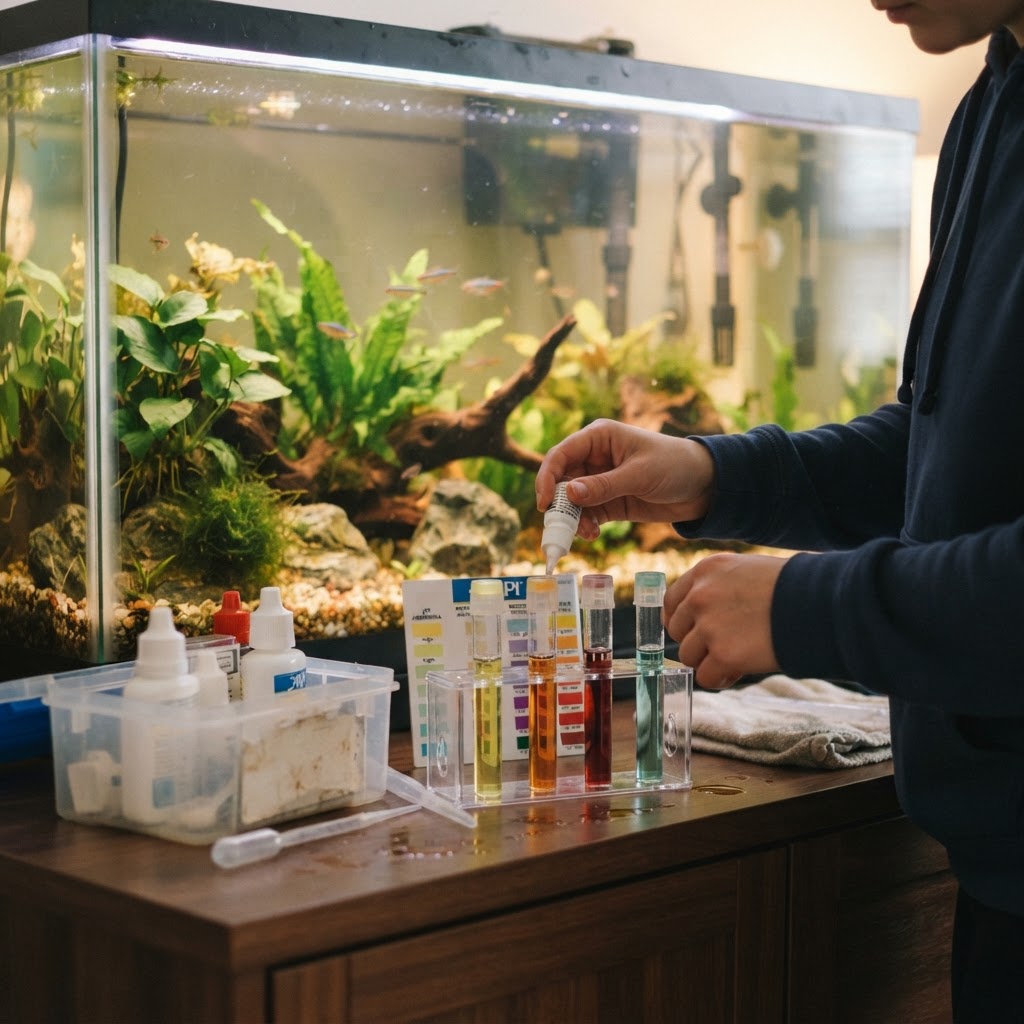
Aquarium Ammonia or Nitrite Spike: Emergency Steps
An ammonia or nitrite spike burns gills and can kill fish within hours. Test now, do a partial water change, add ammonia-binding conditioner, and stop feeding.
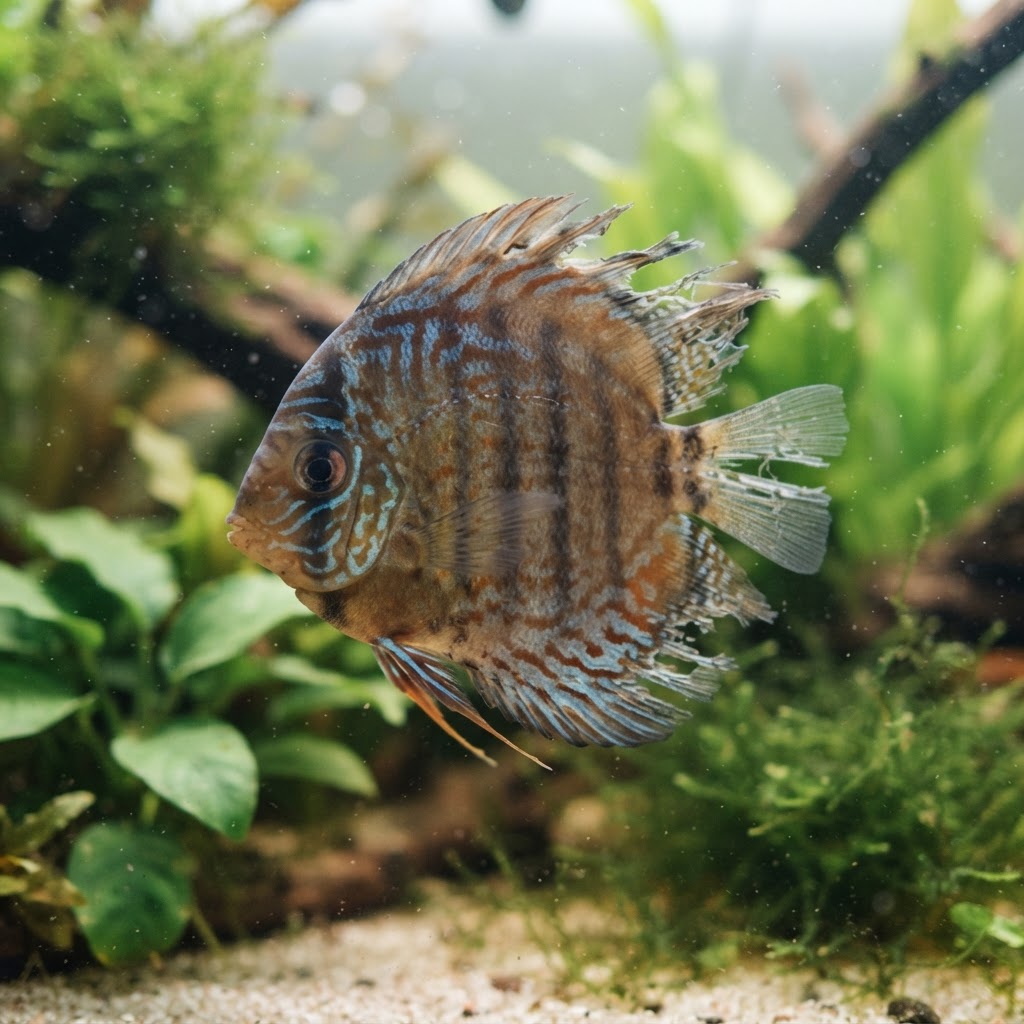
Fish Fin Rot: When to Worry and How to Treat
Fin rot is usually caused by poor water and stress, not just bacteria. Learn why fixing the water often cures it, and when medication is needed.
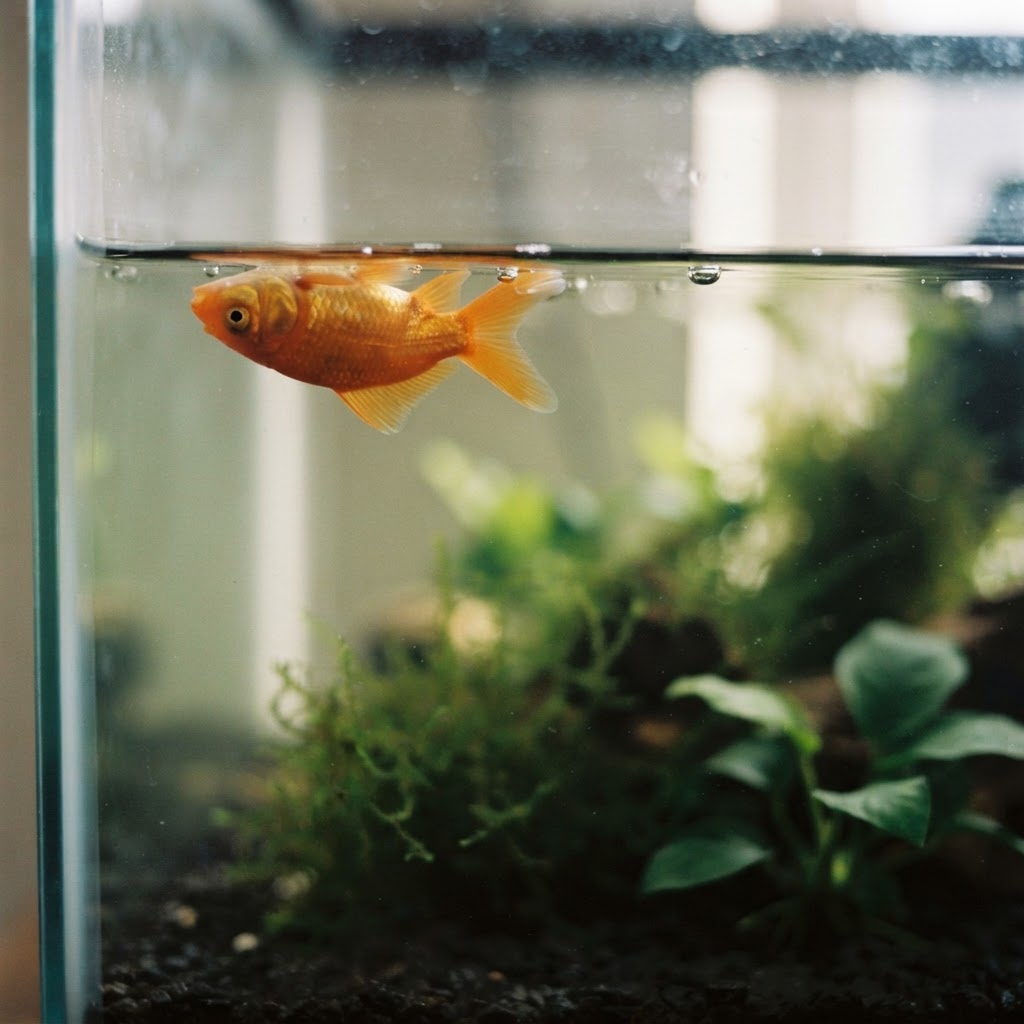
Fish Swimming Sideways or Upside Down: When to Worry
A fish swimming sideways or upside down has a swim bladder problem, often from overfeeding or constipation. Learn the fasting and pea trick, and when to treat.
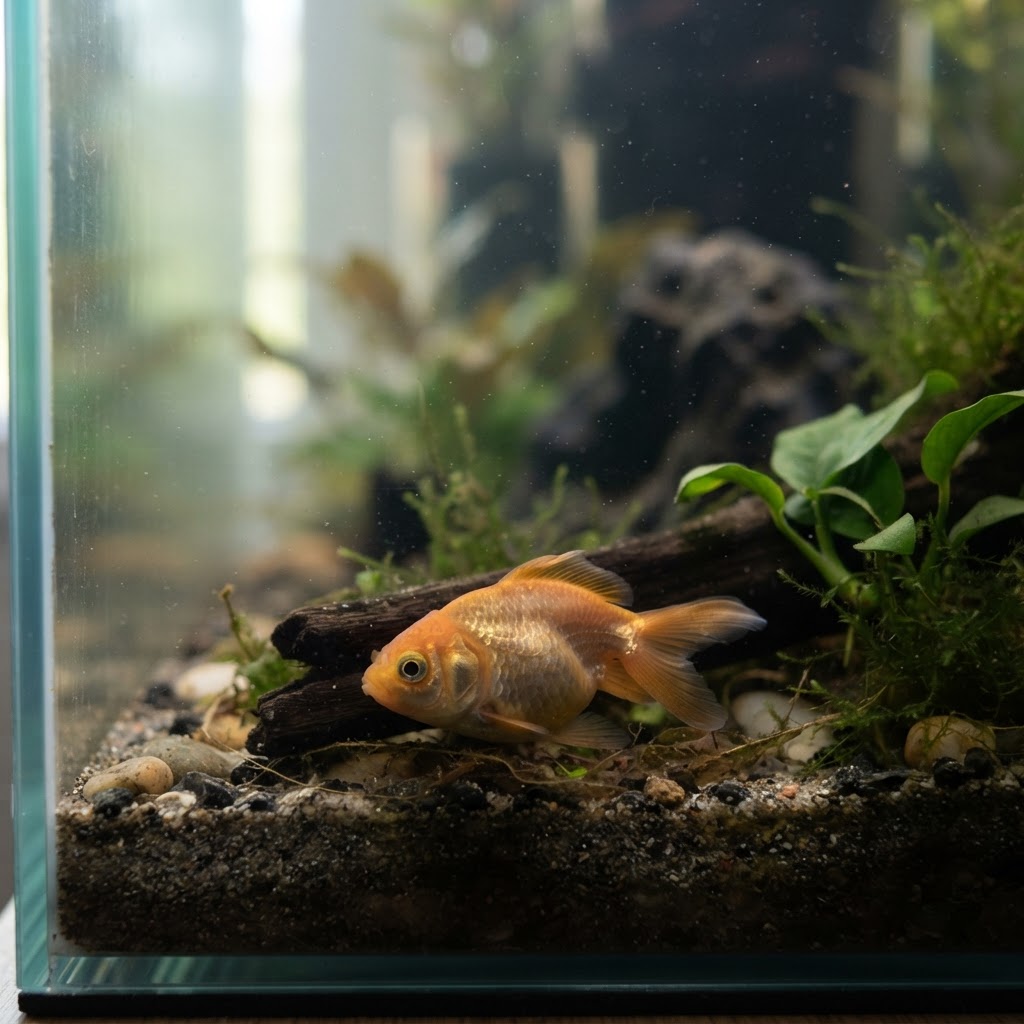
Sick Goldfish Signs: When to Worry
Goldfish are hardy but get sick from water quality most of all. Learn the top red flags and why testing the water is always step one.
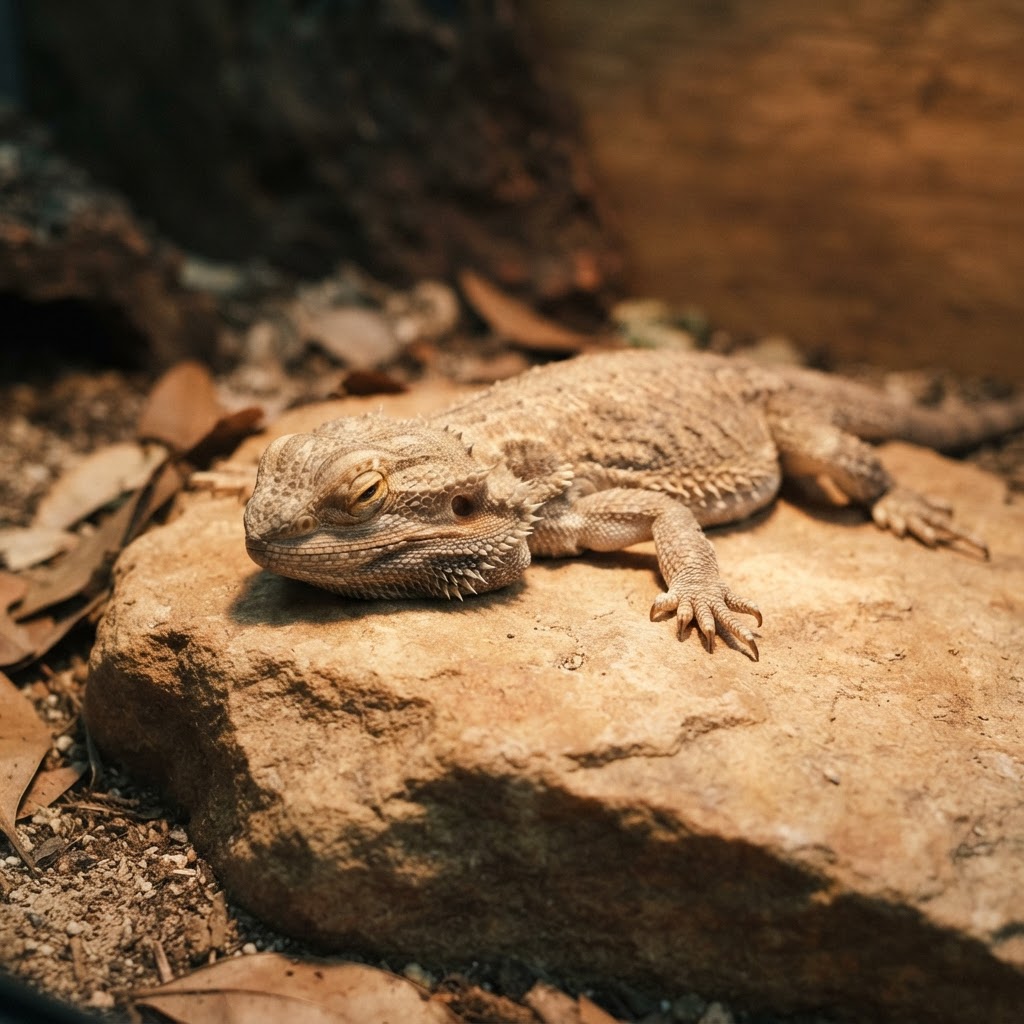
Bearded Dragon Lethargic and Weak (MBD): When to Worry
A weak, lethargic bearded dragon with a soft jaw or bent legs often has metabolic bone disease (MBD), a calcium/UVB problem. See a reptile vet soon.
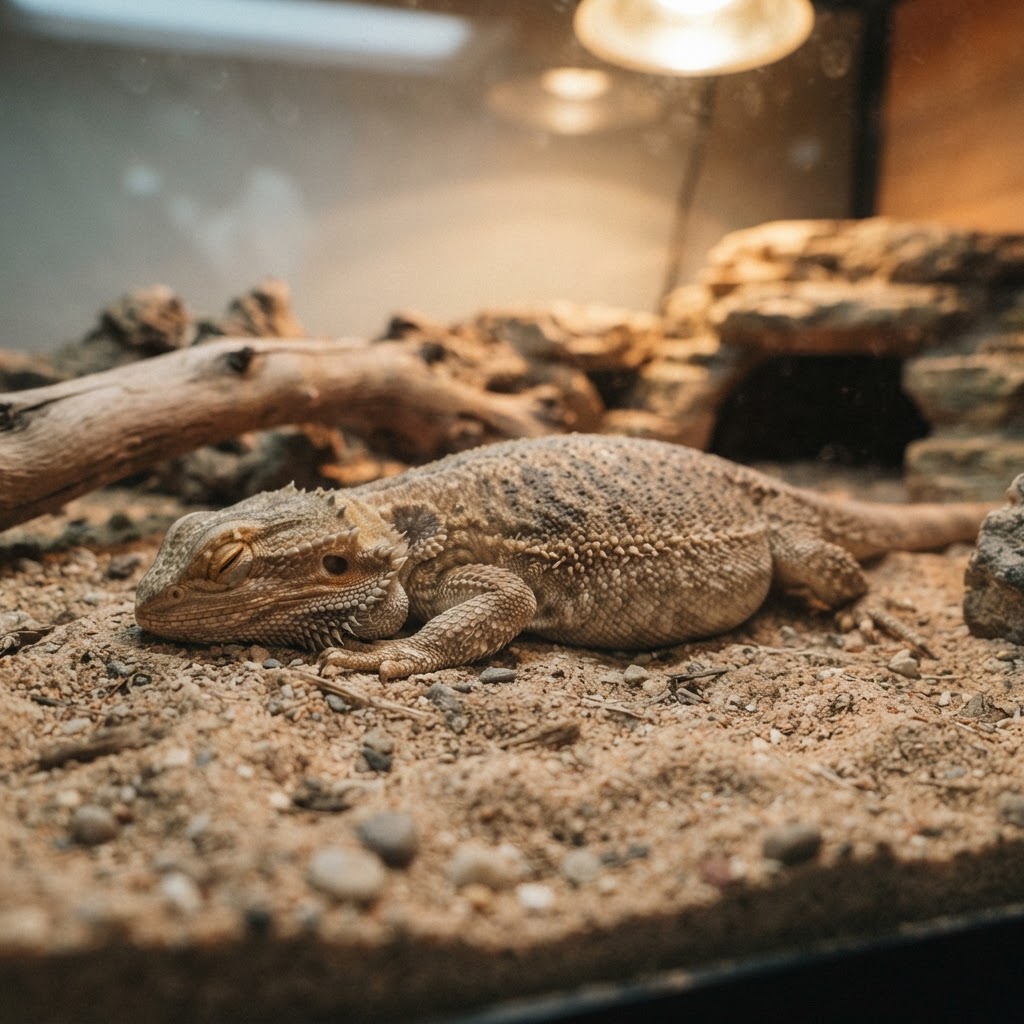
Bearded Dragon Impaction: When to Worry
Impaction, a gut blockage from swallowed substrate, can be fatal. Learn the red flags, the warm-soak first step, and when to see a reptile vet.
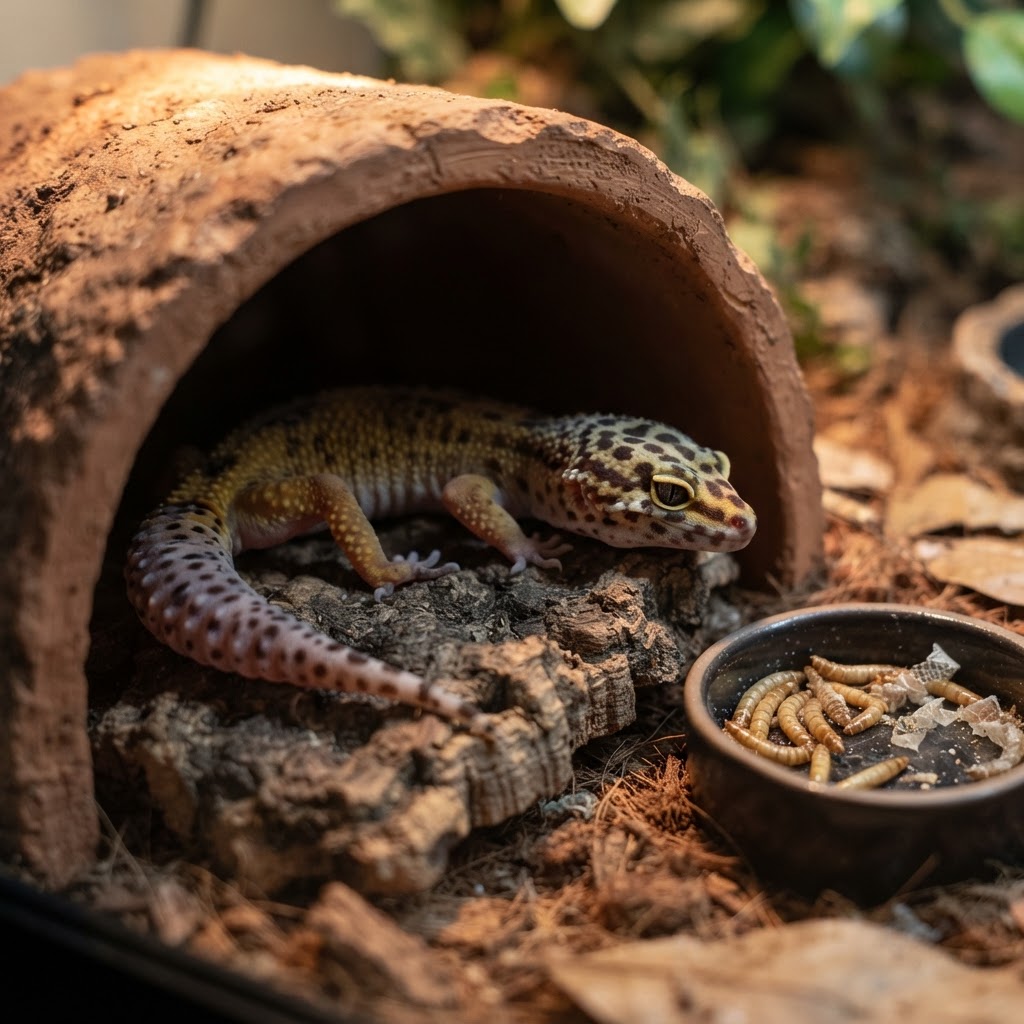
Leopard Gecko Not Eating: When to Worry
A leopard gecko not eating can be seasonal, but weight loss and a thin tail are red flags. Check temperature and stuck shed, then see a reptile vet.
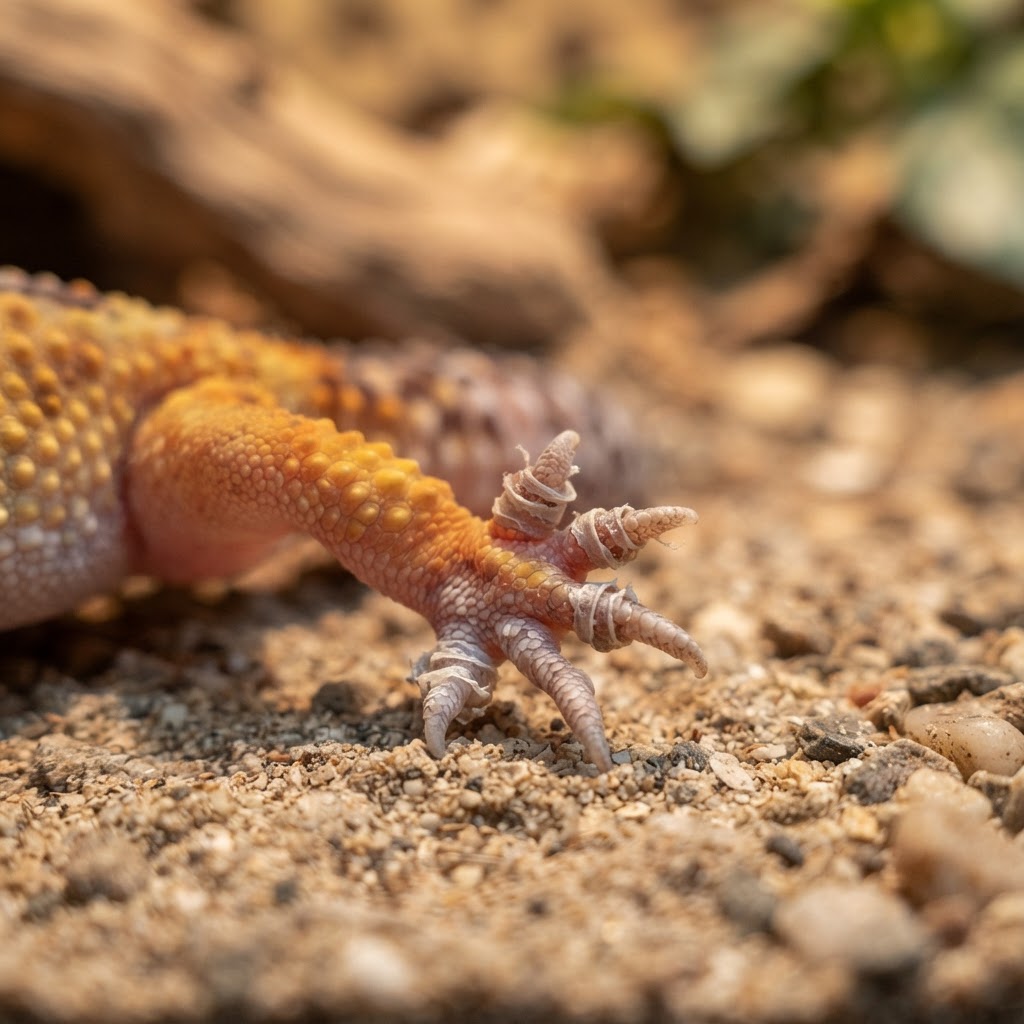
Leopard Gecko Stuck Shed (Dysecdysis): When to Worry
Stuck shed on toes or eyes can constrict and cause lost digits. Learn the humid-hide and soak fix, and when to see a reptile vet.
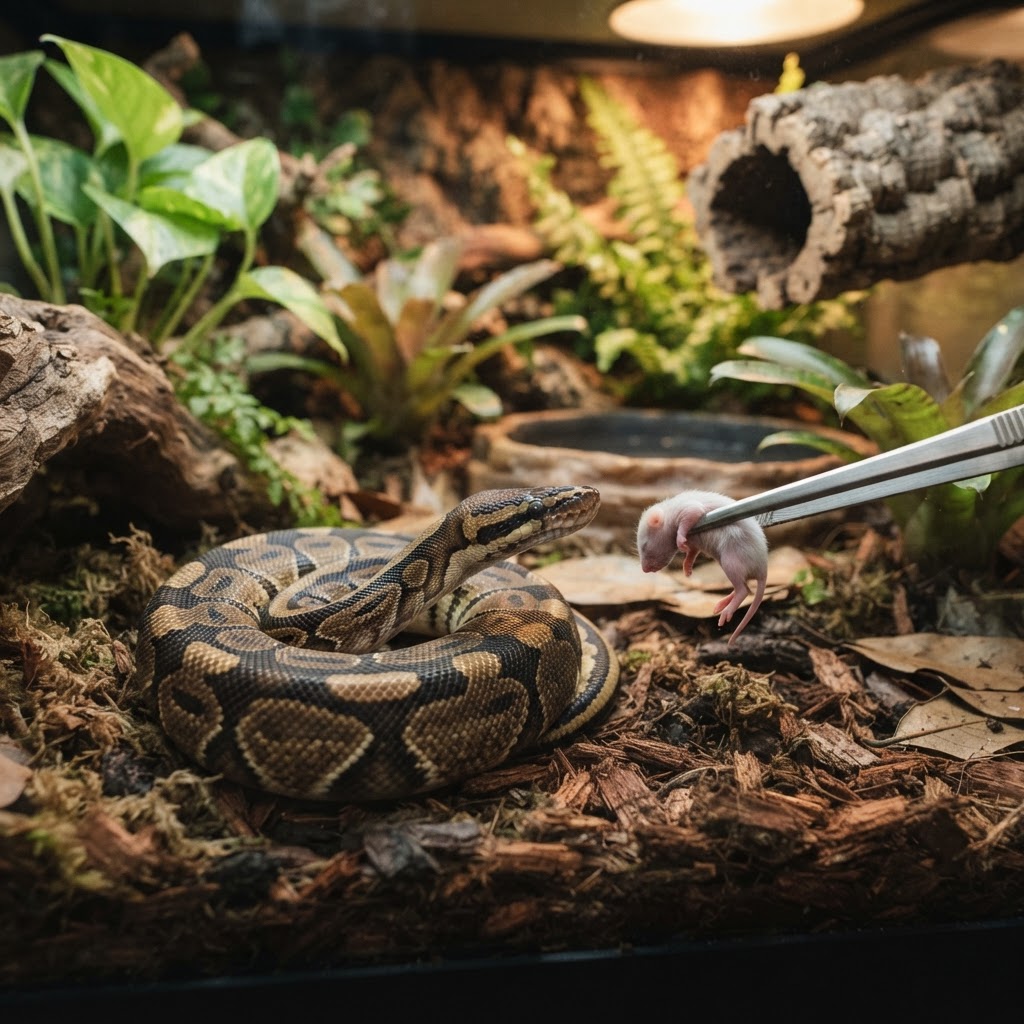
Snake Not Eating: When to Worry
Snakes can fast for weeks, but weight loss or breathing signs mean trouble. Check husbandry first, and see a reptile vet if weight drops.
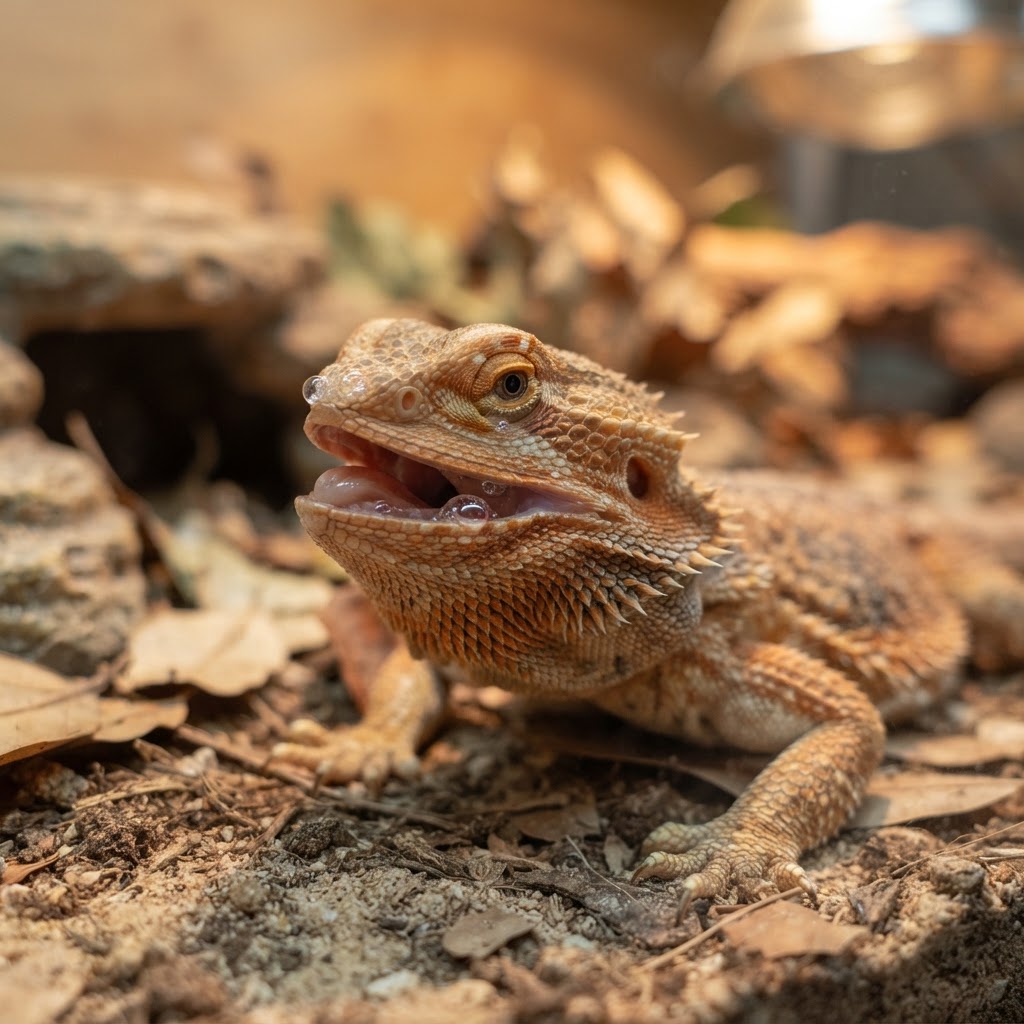
Bearded Dragon Respiratory Infection: When to Worry
Wheezing or bubbles in a bearded dragon is usually a respiratory infection from low temps. Warm the enclosure correctly and see a reptile vet.
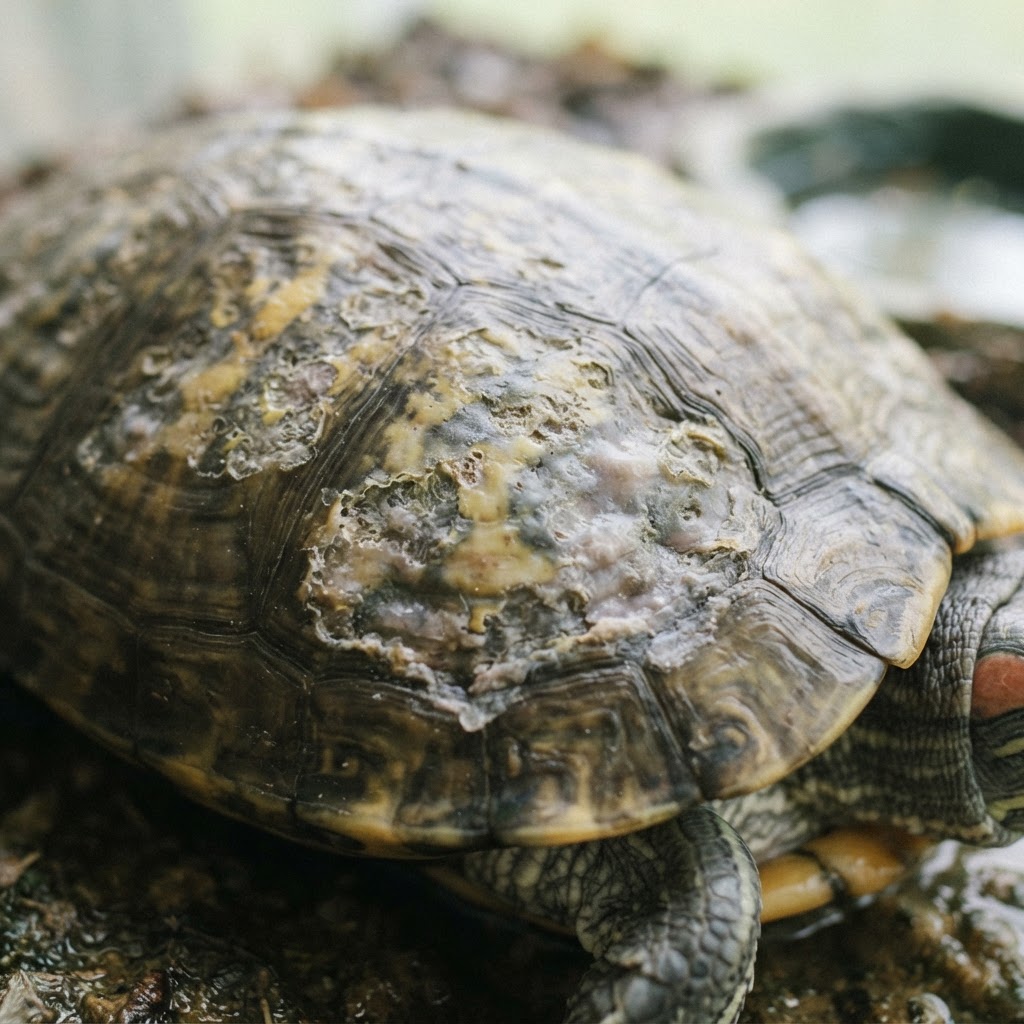
Turtle Shell Rot: When to Worry and How to Treat
Shell rot, soft, discoloured, smelly patches, is usually from poor water or injury and needs a reptile vet. Clean the enclosure and don't delay.
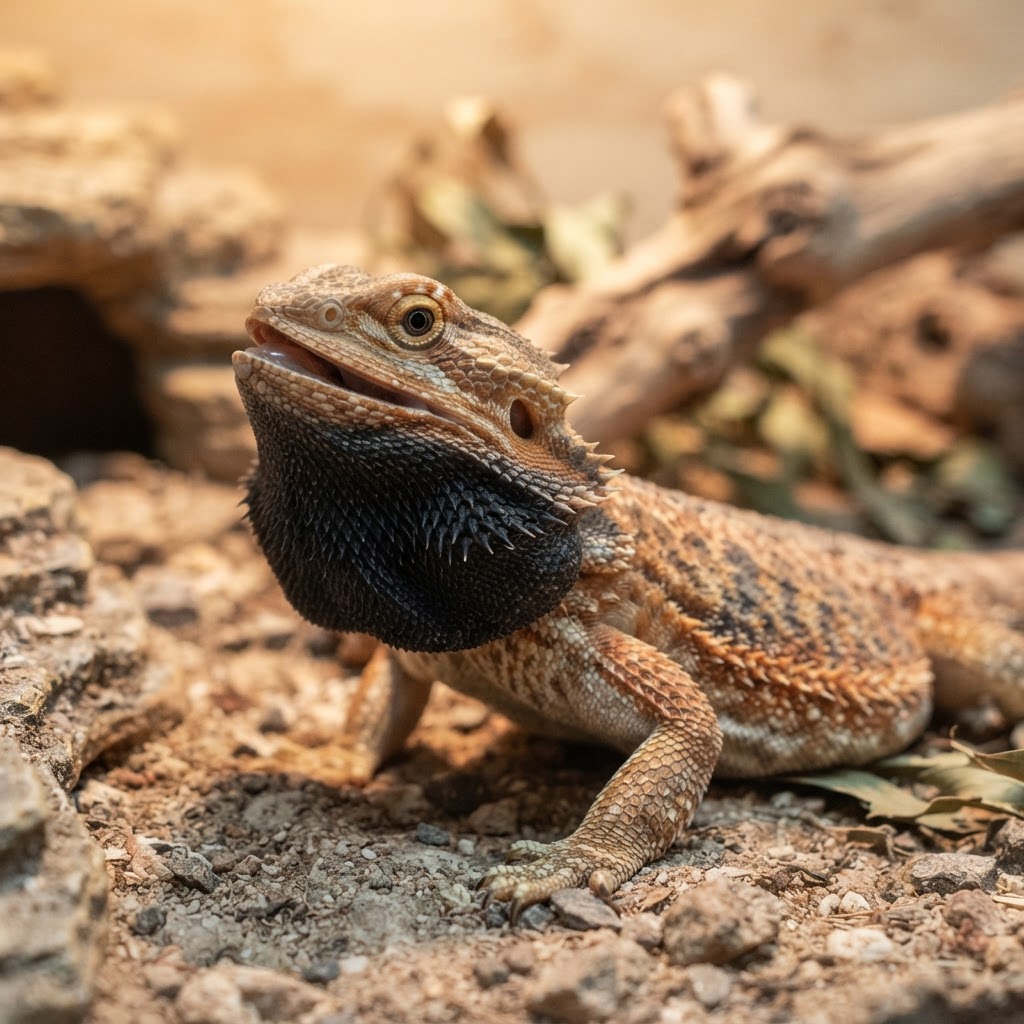
Bearded Dragon Black Beard: When to Worry
A black beard can be normal display or a stress/illness sign. The key is what else you see, black beard plus lethargy or not eating needs a reptile vet.
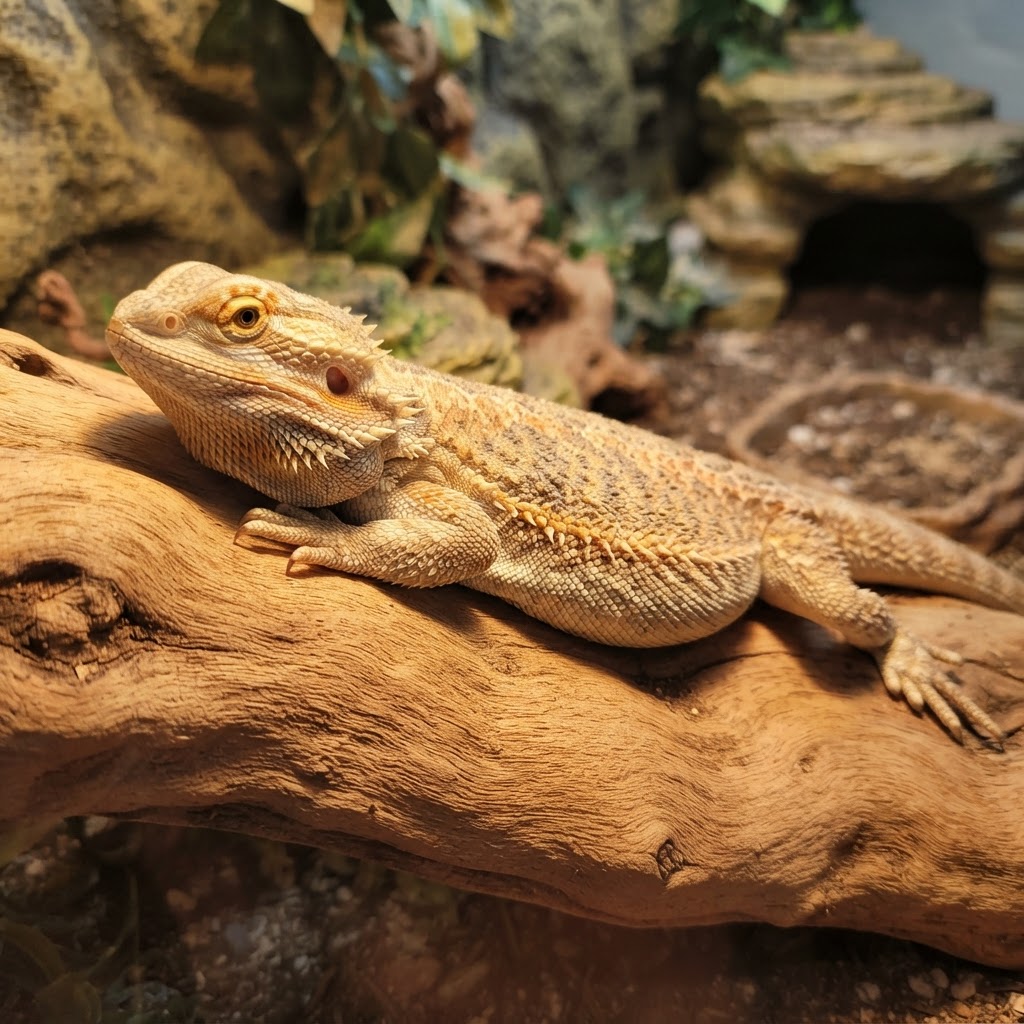
Reptile Not Pooping: When to Worry (Constipation and Impaction)
A reptile not pooing can have constipation or impaction. Check temperature, give a warm soak, and see a reptile vet if the belly is firm or swollen.
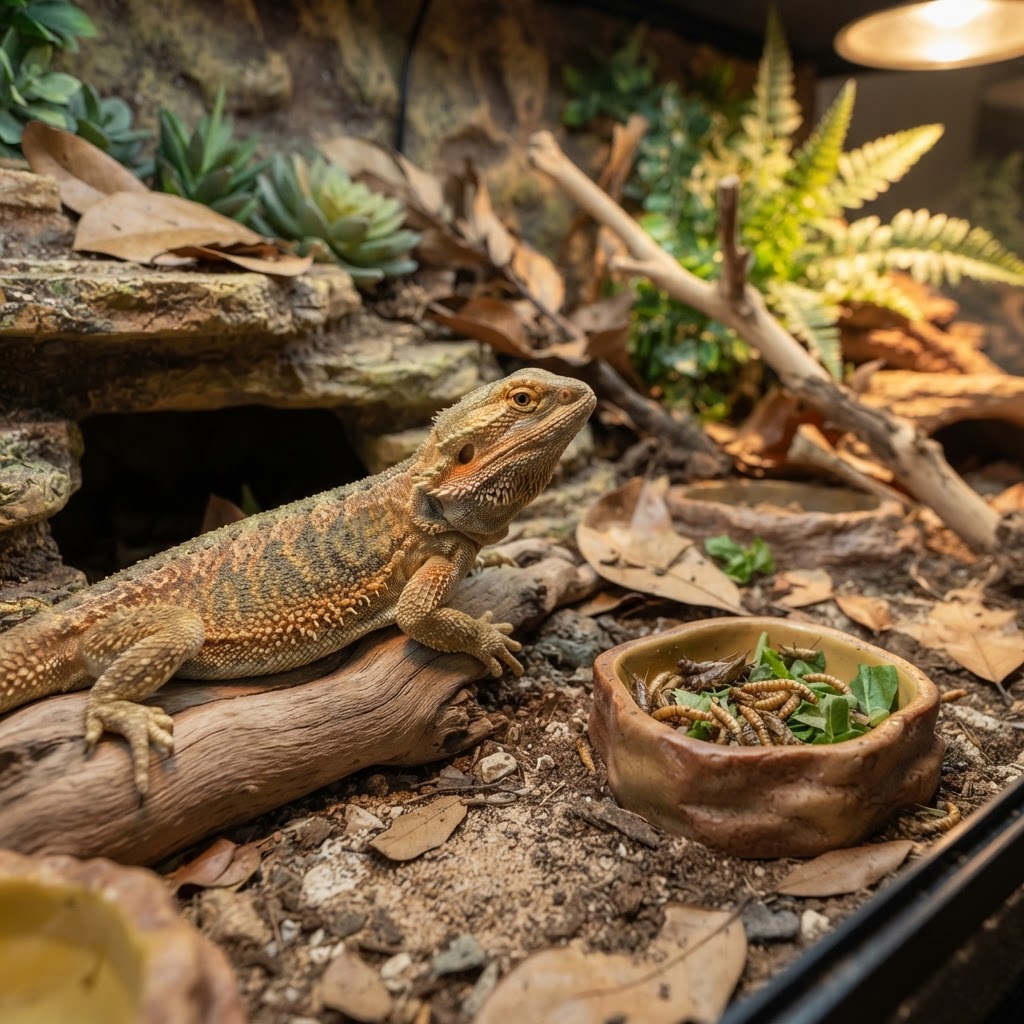
Bearded Dragon Not Eating: When to Worry
A bearded dragon not eating can be brumation, but lethargy, weight loss, or a soft jaw means see a reptile vet. Check temperature and UVB first.
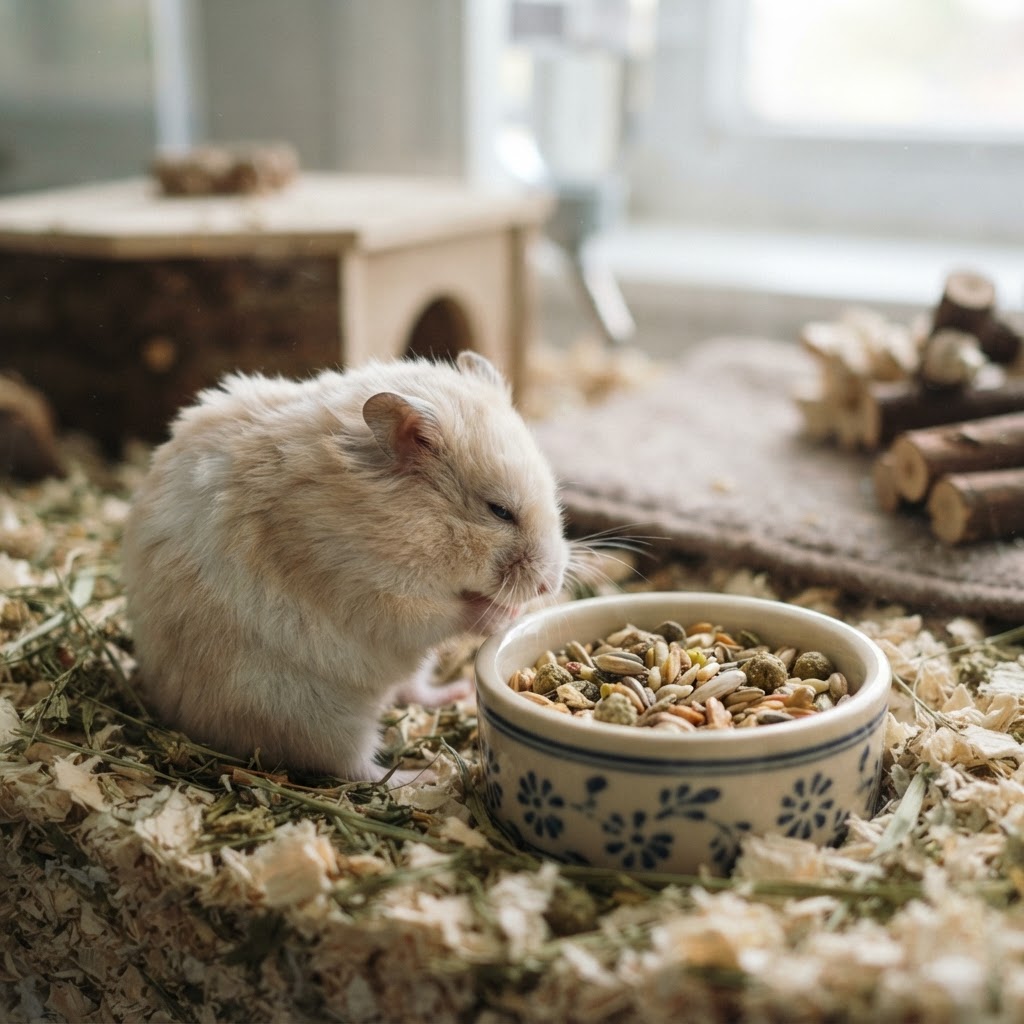
Hamster Not Eating: When to Worry
A hamster not eating can be cold stress or torpor, but lethargy, weight loss, or a wet tail is serious. Check temperature and see a vet the same day.
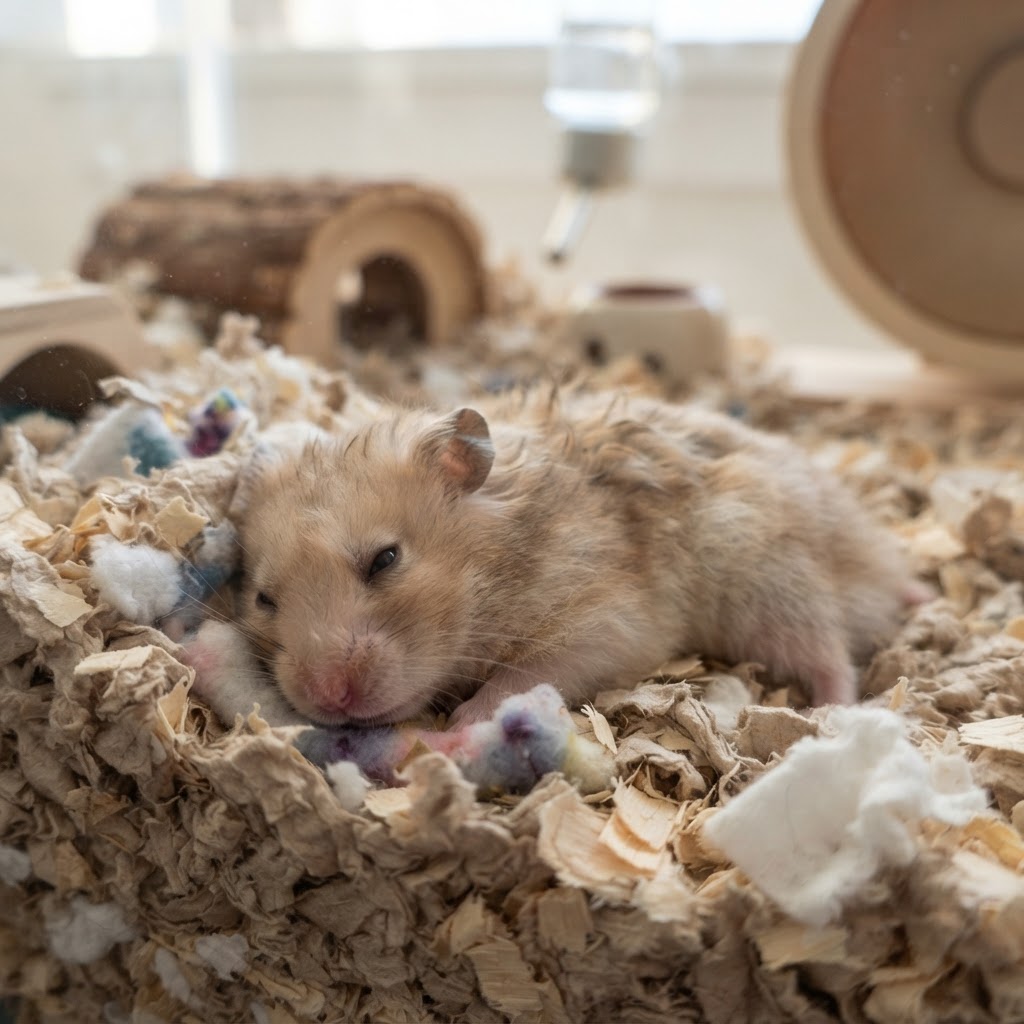
Hamster Not Moving or Cold: Torpor or Emergency?
A cold, not-moving hamster may be in torpor from cold, or seriously ill. Warm gently first; if they don't perk up, see an exotic vet.
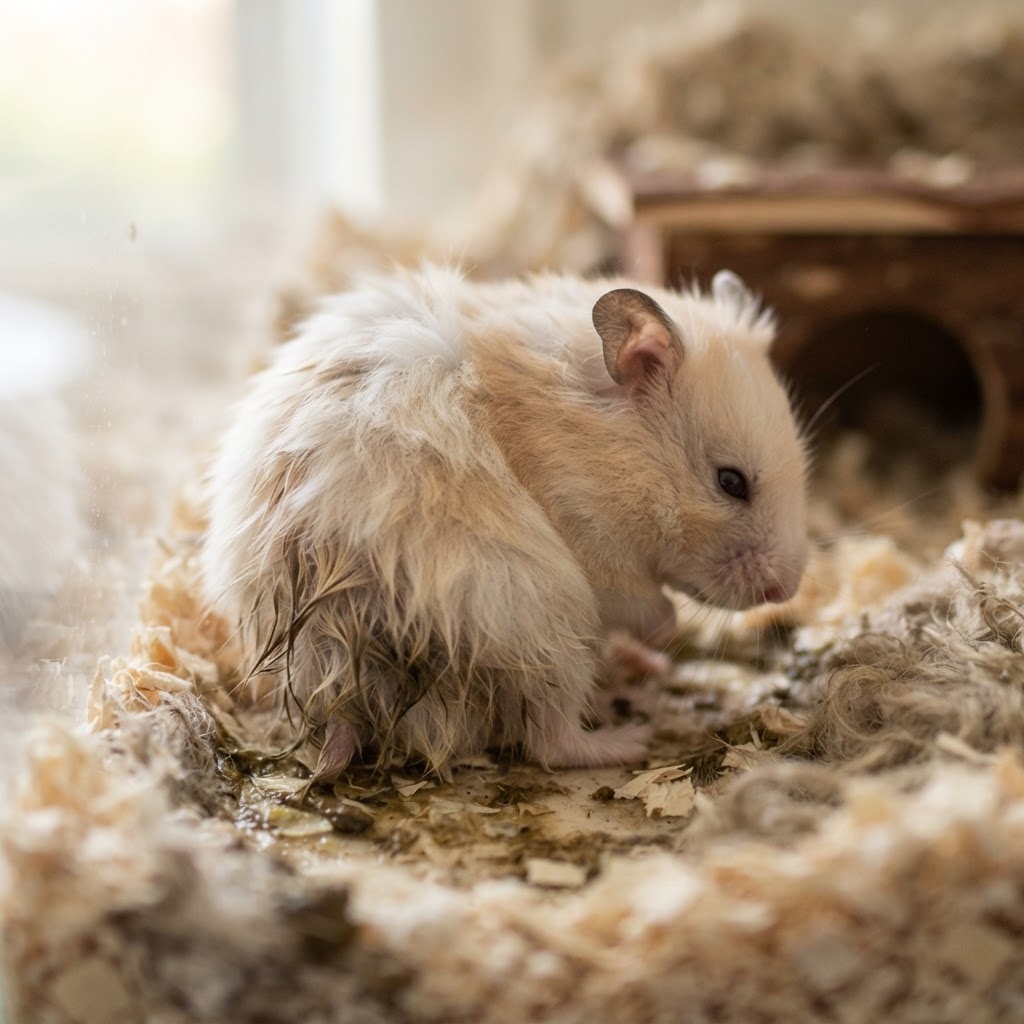
Hamster Wet Tail: Emergency Signs and What to Do
Wet tail, a wet, smelly bottom with diarrhoea, is a fast, fatal illness in young hamsters. See an exotic vet immediately; don't use pet-shop drops.
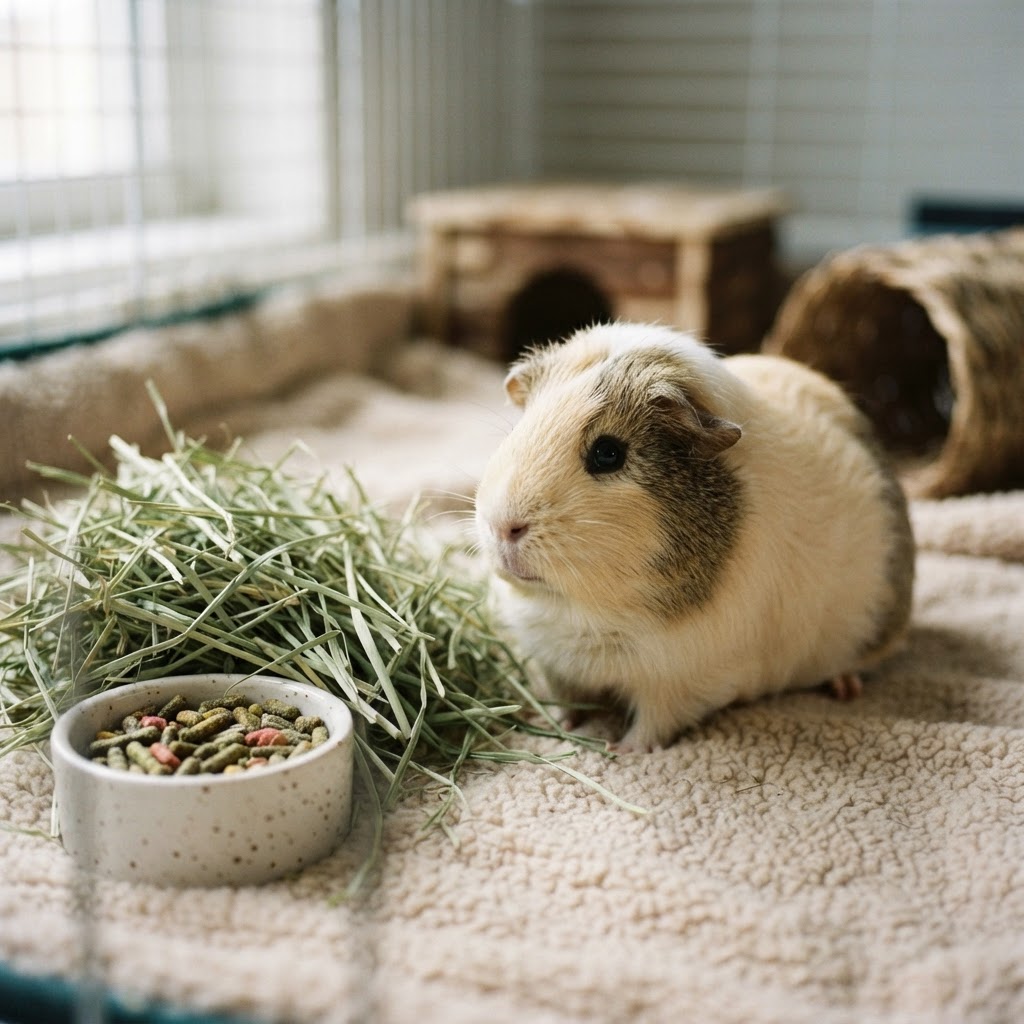
Guinea Pig Not Eating: When to Worry (Emergency)
A guinea pig not eating is an emergency, they can develop GI stasis and need daily vitamin C. Learn red flags and why to call a vet the same day.
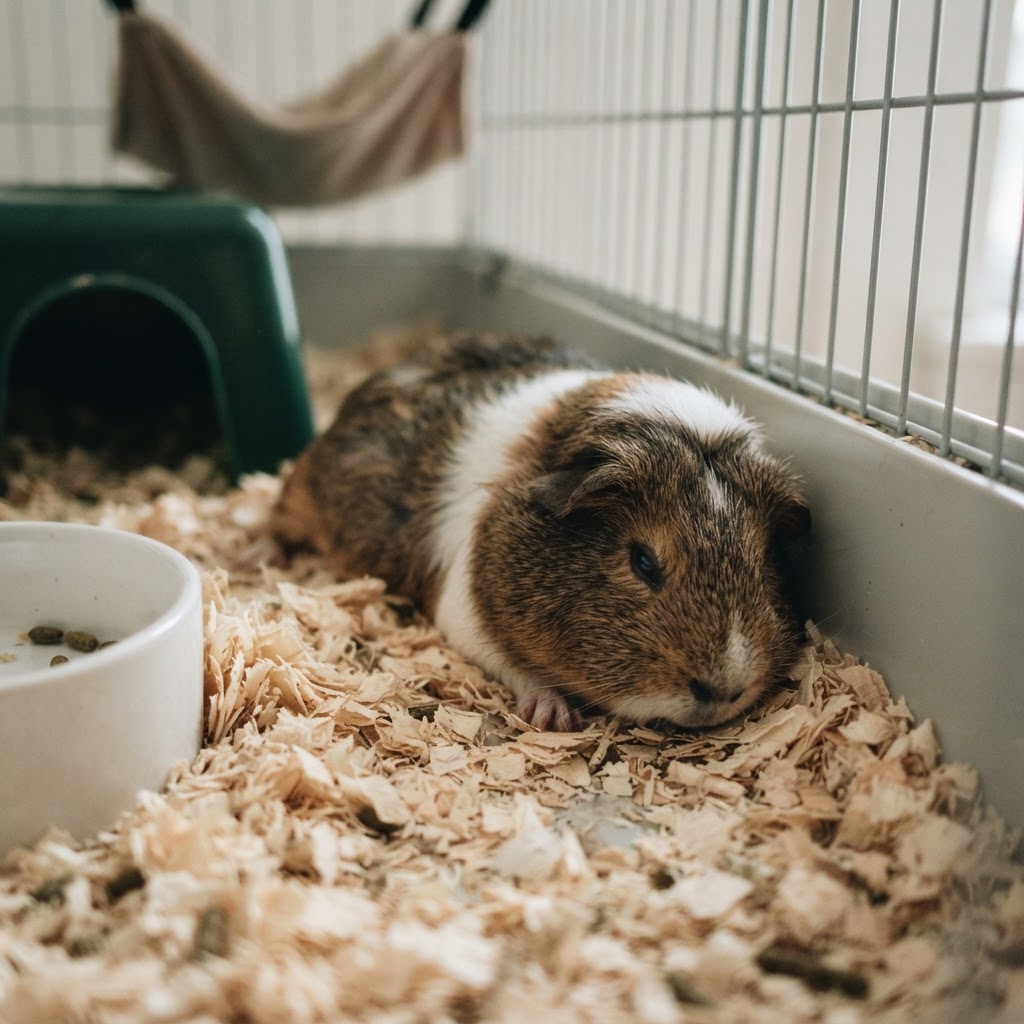
Guinea Pig Lethargic and Not Moving: When to Worry
A lethargic, not-moving guinea pig is unwell, and a cold one has a worse prognosis. Keep it warm and call a vet the same day.
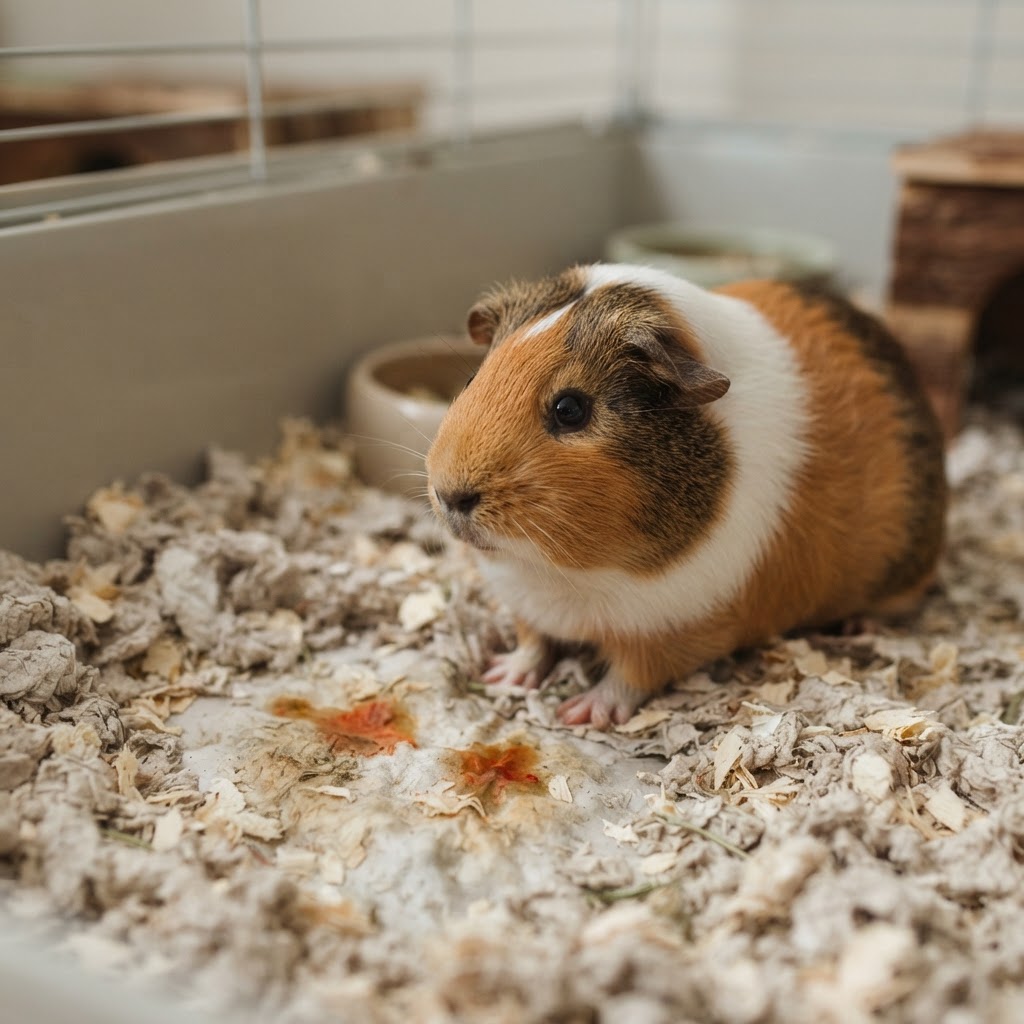
Guinea Pig Blood in Urine or Straining to Pee: When to Worry
Blood in a guinea pig's urine or straining to pee often means urinary stones, a blockage in males can be fatal. See a vet the same day.

Is My Pet's Breathing an Emergency? Warning Signs
Laboured breathing, open-mouth breathing in cats, blue gums, and gasping are all emergencies. Learn to recognise the warning signs and know exactly when to rush your pet to the vet.

How Much Does a Vet Visit Cost? UK & International Guide
Vet visit costs vary widely depending on location, services needed, and whether it is an emergency. Learn what to expect and how to budget for your pet's healthcare.

Signs Your Pet Needs Emergency Care
Knowing when to rush to the vet can save your pet's life. Learn the top emergency signs that require immediate veterinary attention.

How to Tell If Your Pet Is in Pain
Animals instinctively hide pain. Learn the subtle signs that your dog or cat may be suffering, and when to seek veterinary care.
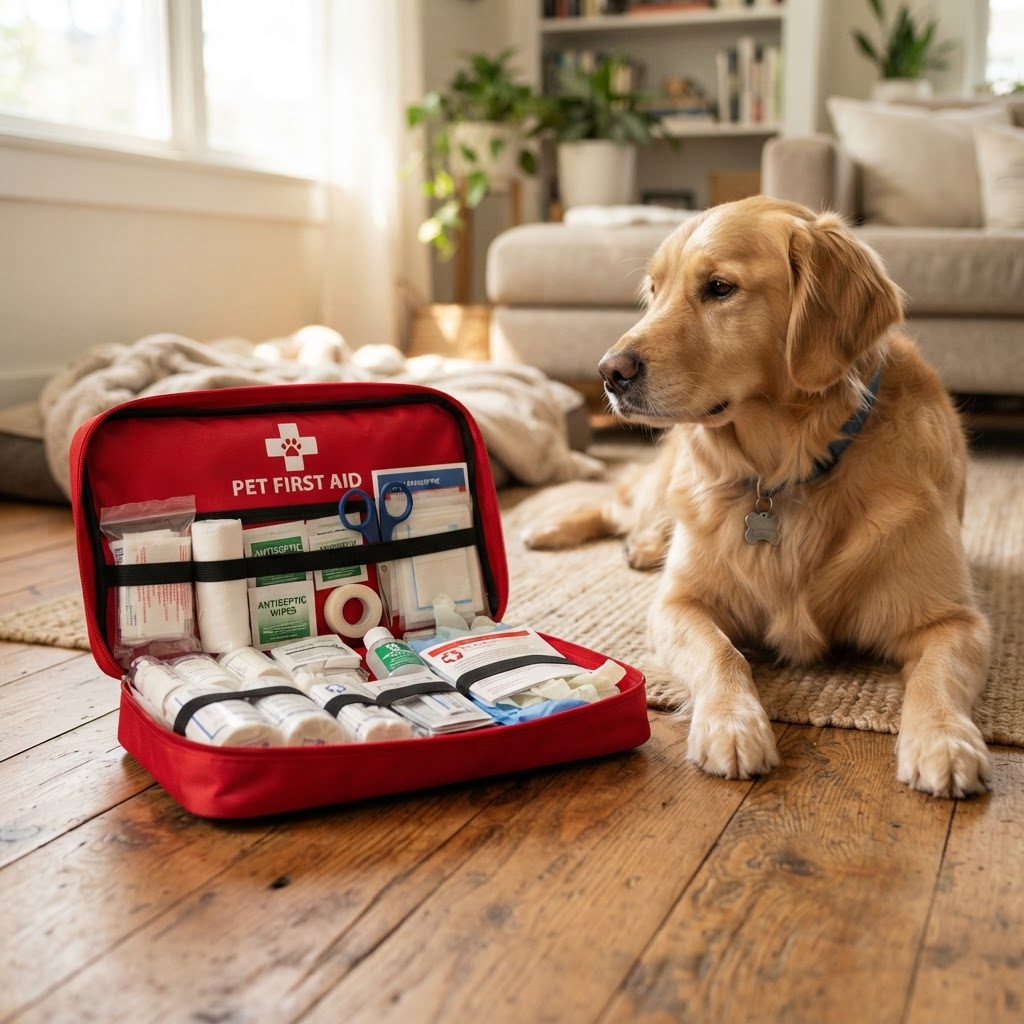
Basic Pet First Aid Every Owner Should Know
Knowing basic pet first aid can save your pet's life in an emergency. Learn essential skills including CPR, bleeding control, and what to keep in a first aid kit.

Is My Pet Overweight? How to Check
Over half of dogs and cats are overweight, but many owners don't realise it. Learn how to assess your pet's weight and why it matters.