Bottom line: A swallowed sock can easily cause a life-threatening intestinal blockage in dogs of any size. Never wait for symptoms; contact your vet immediately to discuss the possibility of inducing vomiting.
| Situation | Suggested action |
|---|---|
| Ate sock within last 2 hours | Immediate vet intervention |
| Vomiting and lethargy | Emergency surgery assessment |
| Ate sock over 24 hours ago | Vet exam and X-rays |
| Straining to defecate | Immediate vet visit |
"He Just Swallowed It Whole"
It's the call every vet has taken a hundred times: "My dog ate a sock. Do I need to bring him in?"
The answer is almost always yes - but let's explain why.
Dogs eat the strangest things. Socks, underwear, tea towels, corn cobs, stones, toys, hair ties, fishing line, and (famously) the kitchen sink. Veterinary medicine calls these foreign bodies, and they're one of the most common - and most dangerous - reasons for emergency surgery.
Socks are particularly notorious. They're soft, they smell intensely of their owner, and they're easy to swallow. But once inside, they can cause chaos.
What Happens When a Dog Swallows a Sock
The danger depends on the size of the dog, the size of the sock, and how long it's been since ingestion. Here's what can go wrong:
Choking - Especially in small dogs or puppies, a balled-up sock can lodge in the throat and block the airway entirely.
Intestinal blockage - The sock can travel partway through the digestive tract and then get stuck. The intestine above the blockage keeps trying to push food and fluid along, but nothing can get past. The bowel swells, blood supply is compromised, and the tissue begins to die.
Bunching and compression - Socks are particularly nasty because they can compress into a tight, dense mass. The intestine grips it tightly and can't move it along. This is one of the hardest types of blockage to manage.
Intestinal perforation - In severe cases, the pressure from a stuck foreign body can tear the intestinal wall. The contents of the intestine spill into the abdomen, causing peritonitis - a life-threatening infection.
The Signs of a Blockage
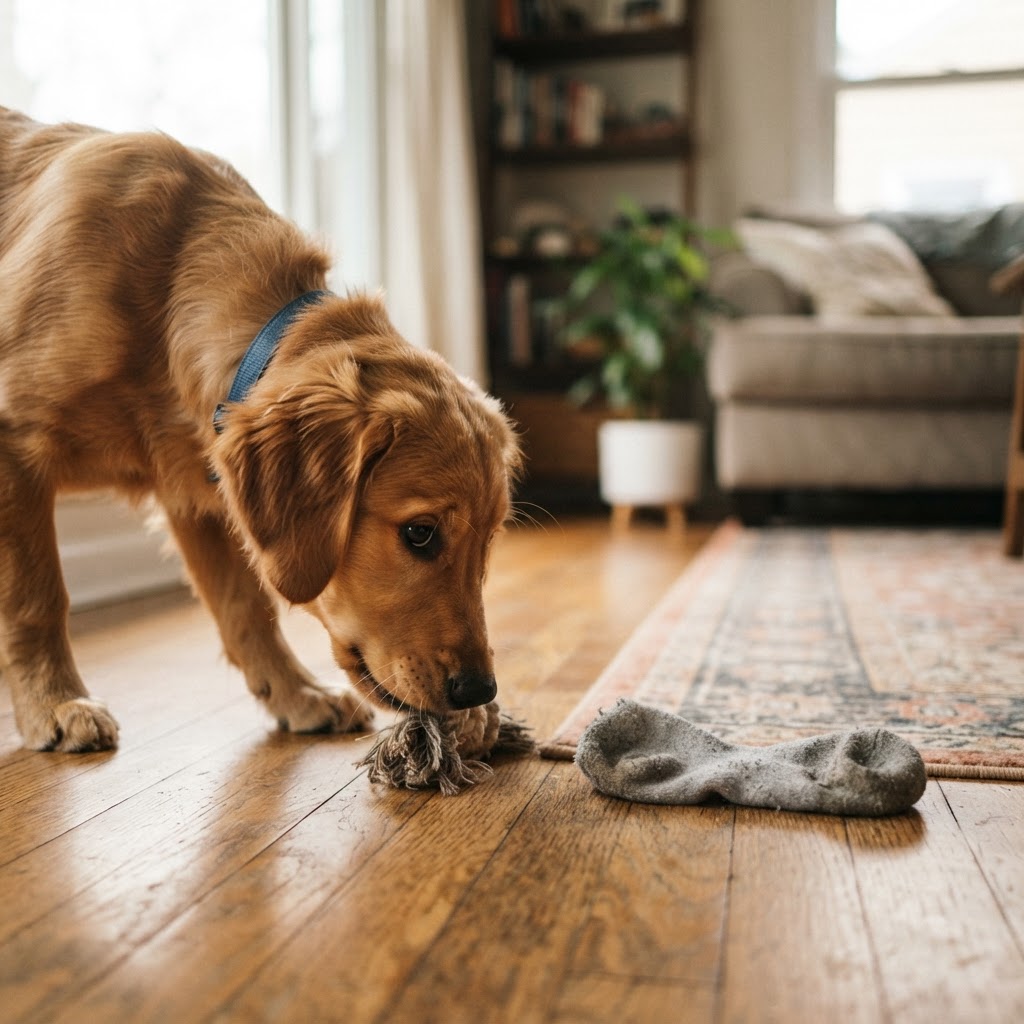
If you know - or suspect - your dog has swallowed a sock, watch for these symptoms:
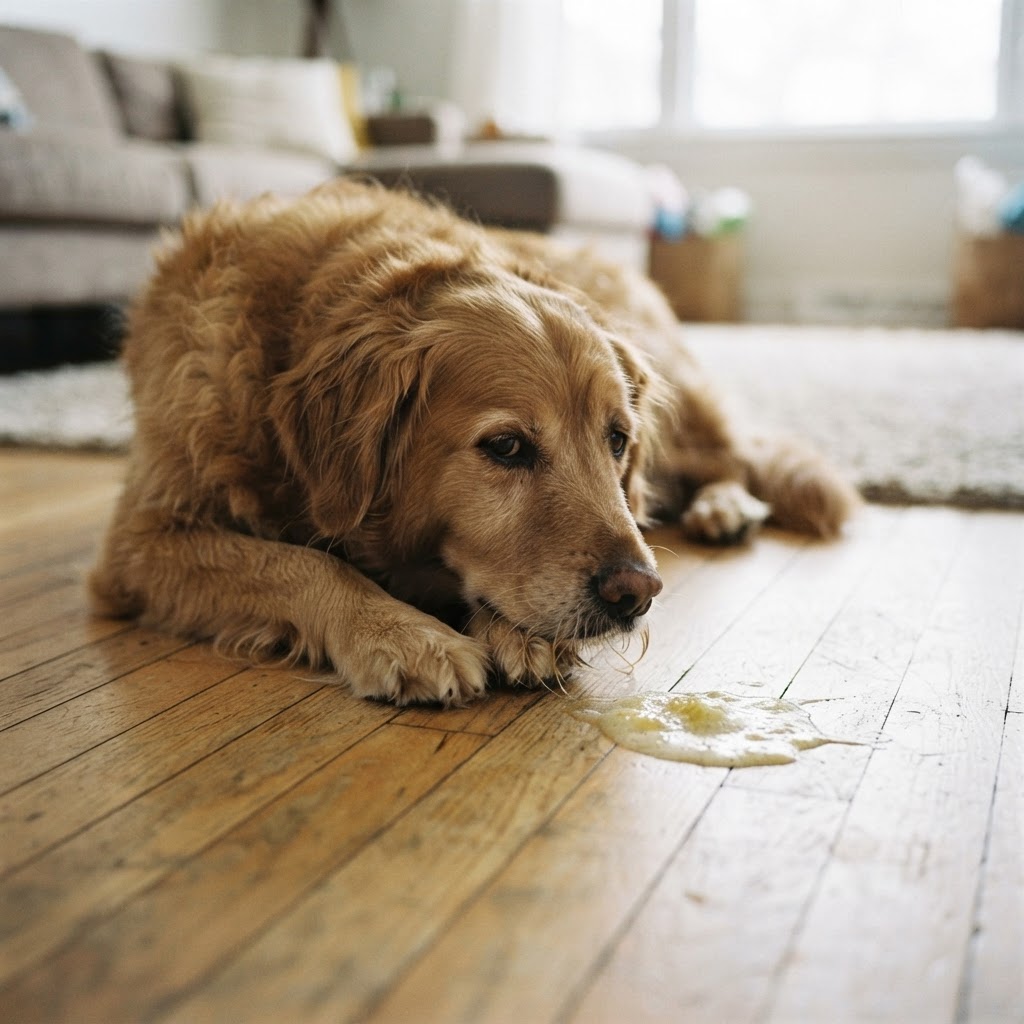
- 🐾 Vomiting, especially repeated vomiting that won't stop
- Loss of appetite - sudden refusal of food and water
- Lethargy - your dog is quiet, withdrawn, or hiding
- Abdominal pain - your dog may hunch their back, resist being touched, or cry when picked up
- Diarrhoea or constipation - or straining with nothing produced
- Drooling and lip-smacking (a sign of nausea)
- Restlessness and inability to get comfortable
Important: Some dogs show no symptoms at all for the first 12–24 hours. The absence of signs does NOT mean the sock has passed safely.
What to Do - Right Now
Step 1: Call your vet immediately. Don't wait to see if it passes. The sooner you act, the more options your vet has.
If ingestion was within the last 1–2 hours: Your vet may instruct you to come in immediately so they can induce vomiting. This is sometimes done at the clinic (never at home - the vomiting induction drugs available to vets are far more effective and safer than anything you can buy). If the sock comes back up, you may be in the clear.
If more than 2 hours have passed: The sock has likely moved beyond the stomach and into the intestines. Inducing vomiting won't help. Your vet will want to:
- Take an X-ray (or sometimes an ultrasound) to locate the sock. Socks don't always show up clearly on X-rays, so your vet may use barium - a contrast liquid that outlines the digestive tract.
- Monitor - if the sock is small and moving through, your vet may recommend watching and waiting with repeated X-rays.
- Endoscopic retrieval - if the sock is still in the stomach, a vet with the right equipment can reach in with an endoscope and grab it without surgery.
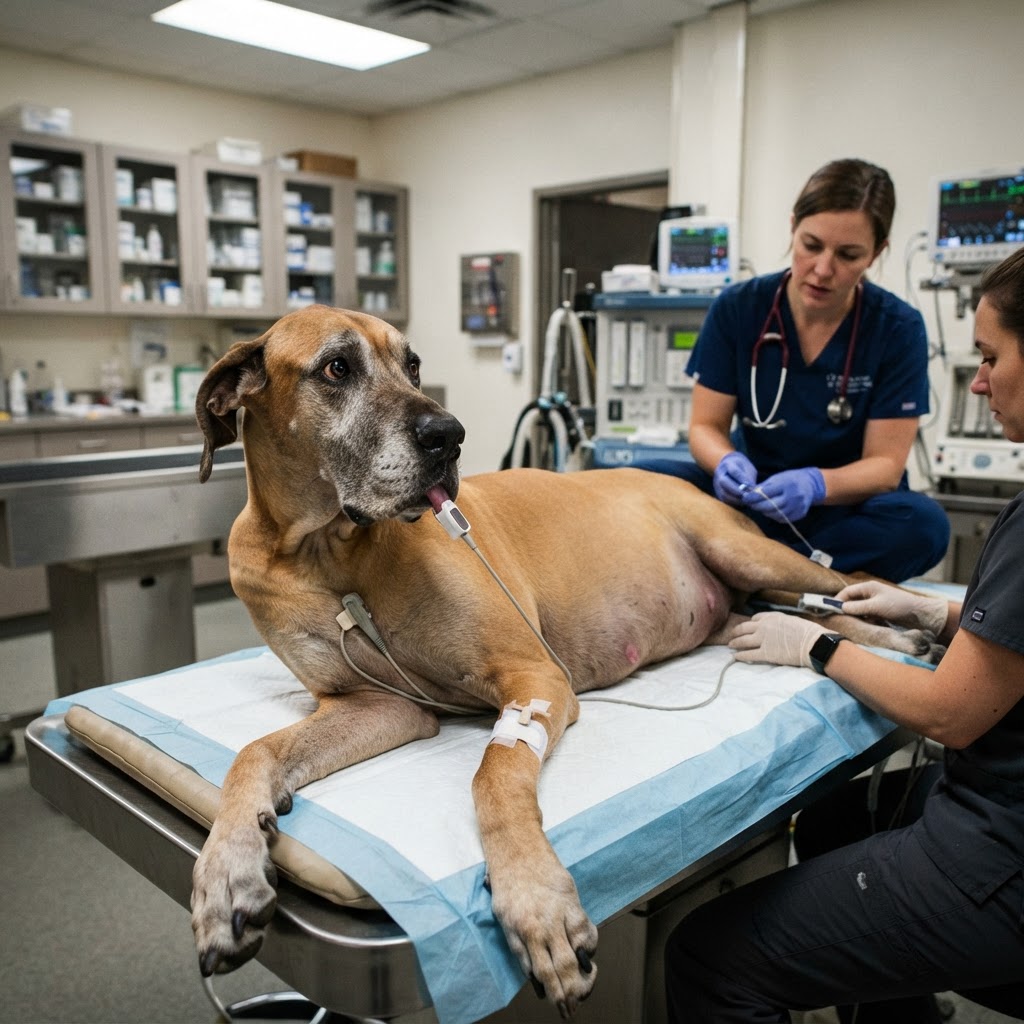
- Surgery - if the sock is stuck in the intestines, your dog will need surgery to open the intestine and remove it. This is major abdominal surgery and requires a hospital stay.
What NOT to Do
- ❌ Do not induce vomiting at home without veterinary instruction - if the sock is large, bringing it back up can cause choking or oesophageal damage
- ❌ Do not feed your dog bread or cotton wool - the old "feed it something to pad it" advice is outdated and can make things worse
- ❌ Do not wait "to see if it passes" - socks rarely pass on their own and the longer you wait, the more damage is done
- ❌ Do not give laxatives - these can cause violent intestinal contractions that make a blockage worse
Preventing the Next Sock Snack
If your dog is a repeat offender (and many are), prevention is key:
- Keep laundry in closed hampers - don't leave socks on the floor or in reachable baskets
- Use a slow-feeder or puzzle toy to satisfy the urge to chew and forage
- Provide appropriate chew alternatives - durable toys, dental chews, or stuffed Kongs
- Supervise your dog - especially around laundry, shoes, and children's toys
- Train a solid "drop it" and "leave it" command - these could save your dog's life one day
The Bottom Line
A swallowed sock is not a "wait and see" situation. The cost of a phone call to your vet is zero. The cost of emergency surgery at 2 AM after waiting three days is measured in thousands of dollars and, potentially, your dog's life. When in doubt, always call.
Frequently Asked Questions
Disclaimer: This article is for educational purposes only and is not a substitute for professional veterinary advice. If you're concerned about your pet's health, use our AI triage assessment or consult a licensed veterinarian.