Bottom line: Vet costs vary based on your location, the pet's species, and the urgency of the condition. Always ask for an estimate before non-emergency procedures and consider pet insurance to help cover unexpected medical expenses.
| Situation | Suggested action |
|---|---|
| Emergency care | Go immediately; discuss finance after |
| Surgery/Complex treatment | Request written estimate beforehand |
| Routine wellness exam | Ask for pricing when booking |
| Unexpected small issues | Call clinic for price estimates |
Average Vet Consultation Costs
UK Costs
| Service | Average Cost |
|---|---|
| Standard daytime consultation | 40 - 70 pounds |
| Emergency / out-of-hours consultation | 150 - 300+ pounds |
| Follow-up consultation | 25 - 50 pounds |
| Telephone / video consultation | 20 - 40 pounds |
| Puppy/kitten initial check | 40 - 60 pounds |
Other Regions
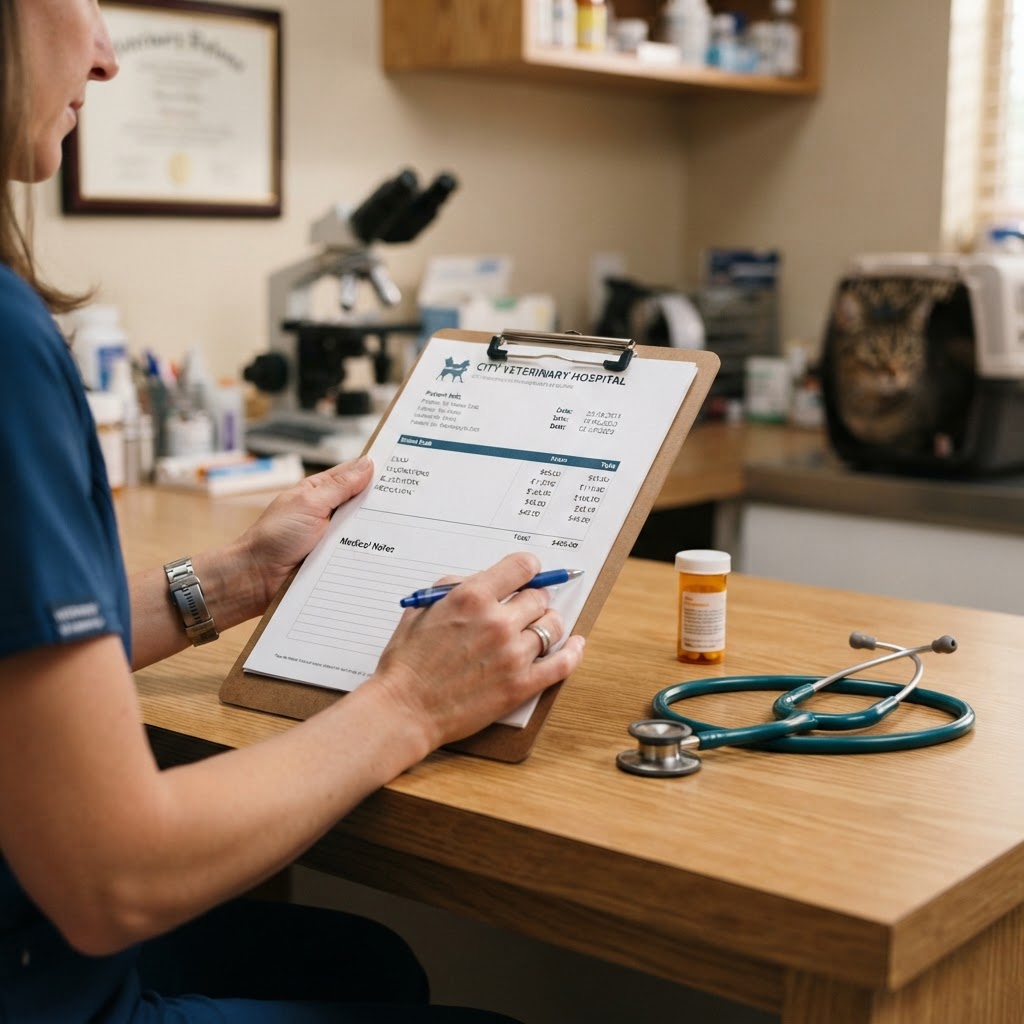
Costs vary significantly by country and region. As a general guide:
- USA: $50 - $150 for a standard consultation; $200 - $500+ for emergency visits
- Australia: $70 - $120 for a standard consultation; $200 - $400+ for emergency
- New Zealand: $60 - $100 for a standard consultation; $150 - $300+ for emergency
- Canada: $60 - $120 for a standard consultation; $200 - $500+ for emergency
These are average ranges. Costs in major cities are typically 20-40% higher than in regional areas. Always ask your vet for an estimate before proceeding with treatment.
Common Veterinary Procedures and Their Costs
Routine Preventative Care
| Procedure | UK Average Cost |
|---|---|
| Annual vaccination (dog) | 40 - 70 pounds |
| Annual vaccination (cat) | 40 - 60 pounds |
| Flea and worming treatment | 15 - 40 pounds per month |
| Dental check (routine) | Included in consultation |
| Microchipping | 10 - 30 pounds |
| Neutering - dog (spay) | 150 - 350 pounds |
| Neutering - dog (castrate) | 100 - 250 pounds |
| Neutering - cat (spay) | 80 - 150 pounds |
| Neutering - cat (castrate) | 50 - 100 pounds |
Diagnostic Tests
| Test | UK Average Cost |
|---|---|
| Blood test (basic) | 50 - 120 pounds |
| Blood test (comprehensive) | 150 - 300 pounds |
| Urinalysis | 25 - 60 pounds |
| X-ray (per film) | 60 - 150 pounds |
| Ultrasound | 100 - 300 pounds |
| Biopsy | 100 - 500 pounds |
Emergency and Surgical Procedures
| Procedure | UK Average Cost |
|---|---|
| Emergency consultation | 150 - 300+ pounds |
| IV fluids (per day) | 50 - 150 pounds |
| Wound repair / suturing | 100 - 400 pounds |
| Foreign body removal (endoscopy) | 500 - 1,500 pounds |
| Foreign body removal (surgery) | 1,000 - 3,000 pounds |
| Cruciate ligament surgery | 2,500 - 4,500 pounds |
| Urinary blockage (male cat) | 500 - 1,500 pounds |
| Dental cleaning (scale and polish) | 200 - 500 pounds |
| Dental extraction | 50 - 200 pounds per tooth |
| Tumour removal | 300 - 2,000+ pounds |
Why Vet Costs Vary So Much
1. Location
Vet costs are significantly higher in major cities and affluent areas due to higher rent, staff costs, and overheads. A consultation that costs 45 pounds in a rural town might cost 75 pounds in central London.
2. Time of Day
Daytime consultations during regular hours are the cheapest option. Out-of-hours, weekend, and holiday visits carry significant premiums - often 2-4 times the standard rate.
3. Type of Practice
- Small independent practices: Often cheaper, more personal
- Large corporate chains: May have higher overheads but offer more services
- Specialist referral centres: Most expensive, but have advanced equipment and expertise
- Charity clinics: Much cheaper or free for eligible owners
4. Emergency vs. Routine
Emergency care is always more expensive because it requires:
- 24/7 staffing
- On-call veterinarians
- Specialised emergency equipment
- More intensive monitoring
5. Complexity of the Case
A straightforward consultation for a minor issue costs less than a complex case requiring multiple diagnostic tests, specialist consultation, or prolonged treatment.
Tips for Managing Vet Costs
1. Invest in Preventative Care
Preventing illness is always cheaper than treating it. This means:
- Keeping vaccinations up to date
- Regular flea, tick, and worming treatments
- Annual health checks
- Dental care at home
- Feeding a quality diet
- Maintaining a healthy weight
2. Consider Pet Insurance
Pet insurance can be a financial lifesaver in an emergency. Monthly premiums typically range from:
- Cats: 15 - 40 pounds per month
- Dogs: 20 - 60 pounds per month (varies by breed)
- Exotic pets: 10 - 25 pounds per month
When choosing insurance, consider:
- Coverage type: Lifetime, time-limited, or maximum benefit
- Excess: How much you pay per claim
- Exclusions: Pre-existing conditions, breed-specific conditions
- Annual limit: Maximum payout per year
3. Ask for Written Estimates
Before any major procedure, ask your vet for a written estimate. This should include:
- Consultation fees
- Anaesthesia costs
- Surgical fees
- Medications
- Hospitalisation
- Follow-up care
4. Use Charity Clinics if Eligible
In the UK, several charities offer free or low-cost veterinary care for eligible owners:
- PDSA: Free veterinary care for owners receiving certain benefits
- Blue Cross: Low-cost veterinary services for eligible owners
- RSPCA: Low-cost clinics and hospitals
- Cats Protection: May help with cat neutering costs
5. Use Telemedicine for Minor Concerns
For minor concerns, a video or phone consultation can be much cheaper than an in-person visit. While not suitable for emergencies or conditions requiring physical examination, telemedicine is a good option for:
- General advice
- Follow-up consultations
- Minor skin conditions
- Behavioural concerns
Our AI triage tool can also help you assess whether a vet visit is necessary, potentially saving you an unnecessary trip.
6. Consider Health Plans
Many veterinary practices offer health plans - monthly subscription services that spread the cost of routine care. These typically include:
- Annual vaccinations
- Flea and worming treatments
- Health checks
- Discounts on other services
For AI-powered triage and preventative health tools, check out our pricing page for affordable pet health plans starting at $4.99/month.
7. Build an Emergency Fund
If you choose not to get pet insurance, set up a savings account for vet care. Aim to keep at least 1,000 - 2,000 pounds set aside for emergencies.
When Not to Delay
While cost is a real concern, never delay emergency care. Conditions that require immediate treatment include:
- Breathing difficulties
- Severe trauma (car accidents, falls)
- Suspected poisoning
- Urinary blockage (especially male cats)
- Bloat (gastric dilatation-volvulus)
- Seizures
- Severe bleeding
- Prolonged vomiting or diarrhoea
If you are worried about the cost of emergency care, use our free AI triage tool to assess the urgency, or find the nearest open vet using your postcode. Many emergency vets offer payment plans, and charity hospitals can help eligible owners.
The Bottom Line
Vet costs can be significant, but understanding what to expect and planning ahead can reduce the stress. Invest in preventative care, consider pet insurance, and know your options for financial assistance. Most importantly, never delay seeking care for a true emergency - the cost of delayed treatment is always higher, both financially and for your pet's health.
Frequently Asked Questions
Disclaimer: This article is for educational purposes only and is not a substitute for professional veterinary advice. If you're concerned about your pet's health, use our AI triage assessment or consult a licensed veterinarian.