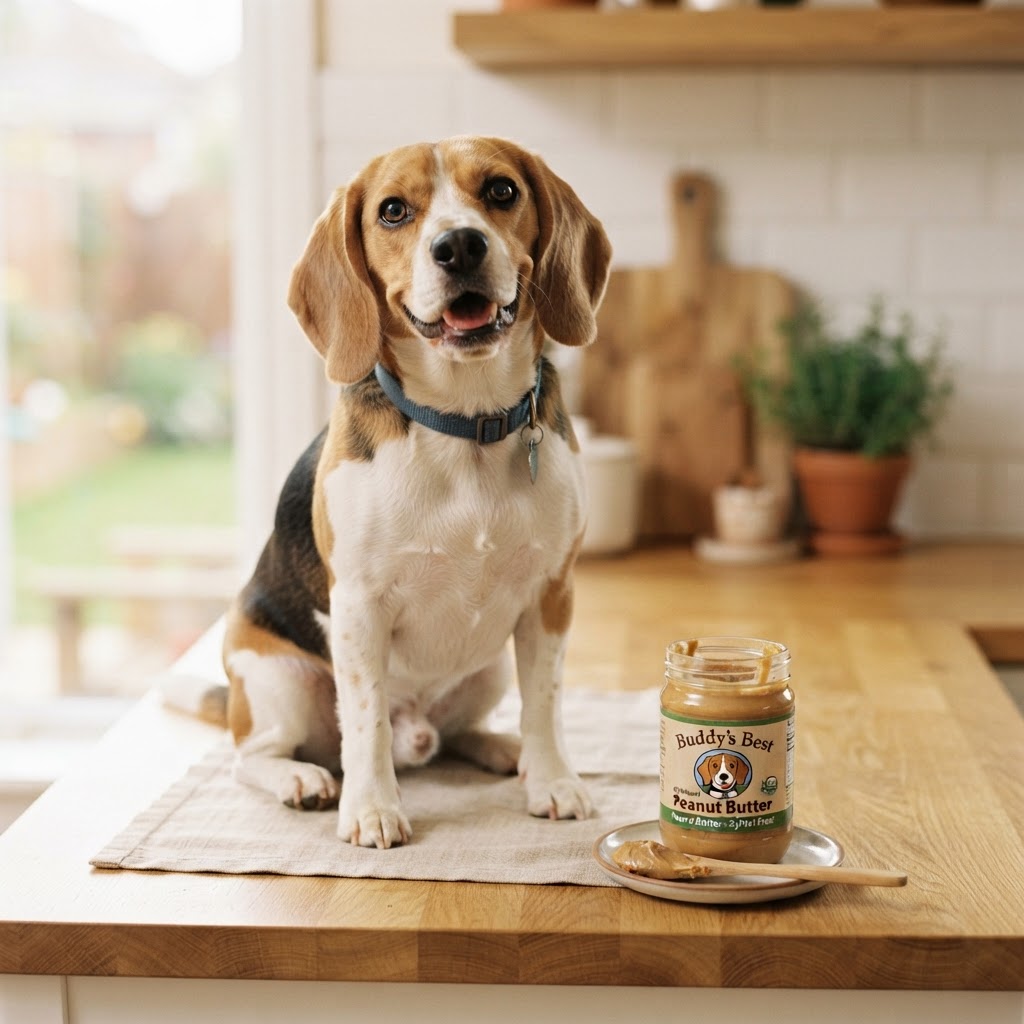
Bottom line: Yes, dogs can eat peanut butter, but ONLY if it does not contain xylitol, a sugar substitute that is highly toxic to dogs. Check the ingredients list every single time. Peanut butter is also high in fat, so it should be a small occasional treat, not a daily staple, because of the risk of pancreatitis.
| Situation | Suggested action |
|---|---|
| Dog ate peanut butter WITHOUT xylitol | No action needed if it was a small amount |
| Dog ate peanut butter and you are unsure if it contains xylitol | Call your vet or emergency clinic immediately, do not wait |
| Dog ate peanut butter WITH xylitol | Emergency, call vet or animal poison control immediately |
| Dog ate a large amount of regular peanut butter | Watch for vomiting or abdominal pain (pancreatitis risk); call vet if symptoms |
The xylitol warning
Xylitol (also called birch sugar or wood sugar) is a sugar substitute used in some sugar-free peanut butters and many other products. In dogs, xylitol causes a rapid release of insulin, leading to a dangerous drop in blood sugar (hypoglycaemia), and at higher doses it causes liver failure.
Symptoms of xylitol poisoning in dogs can appear within 30 minutes and include:
- Vomiting
- Weakness, staggering, or collapse
- Tremors or seizures
- Jaundice (yellow gums or eyes) from liver damage
Xylitol poisoning is a life-threatening emergency. If your dog eats any product that might contain xylitol, call your vet or an emergency clinic immediately, do not wait for symptoms. See our full xylitol poisoning guide.
How to choose a safe peanut butter
The safest peanut butter for dogs has a very short ingredient list:
- Best: 100% peanuts, nothing else
- Okay: Peanuts and a small amount of salt
- Avoid: Any peanut butter containing xylitol, birch sugar, hydrogenated oils, palm oil, or added sweeteners
Many brands now label clearly, but formulations change, so check the label every time you buy a new jar. Dog-specific peanut butters are formulated to be safe and are a reliable choice.
How much peanut butter can a dog eat?
Peanut butter is around 50% fat. Because of this:
- Small dogs: up to a teaspoon, a few times a week
- Medium and large dogs: up to a tablespoon, a few times a week
- Dogs prone to pancreatitis or obesity: avoid or use sparingly
Treats should make up no more than 10% of daily calories. Because peanut butter is calorie-dense, even small amounts add up fast.
What are the risks of peanut butter for dogs?
- Xylitol toxicity: The most serious risk. Always check the label.
- Pancreatitis: High-fat foods can trigger pancreatitis (inflammation of the pancreas), which causes vomiting, abdominal pain, and can be life-threatening. See our guide on dog vomiting.
- Weight gain: Calorie-dense, so regular large amounts contribute to obesity.
- Salt: Very salty peanut butter is not ideal; choose low-salt or unsalted.
- Allergies: Some dogs are allergic to peanuts (rare but possible).
- Choking risk with whole nuts: If you feed peanut butter containing whole nuts, large nuts can be a choking hazard.
Never feed whole peanuts in the shell, and never feed macadamia nuts, they are toxic to dogs.
How to feed peanut butter safely
- Check the label for xylitol every time
- Use it to hide medication or stuff a Kong (freeze it to last longer)
- Keep portions small
- Avoid feeding it to overweight dogs or dogs with pancreatitis
When to call the vet
Call your veterinarian or an emergency clinic immediately if your dog:
- Eats any peanut butter that might contain xylitol
- Vomits, shows abdominal pain, or seems weak after eating peanut butter (possible pancreatitis)
- Shows signs of low blood sugar (tremors, wobbliness, collapse) after eating a sugar-free product
Ready for a personalised assessment?
If your dog seems unwell after eating peanut butter, use our free AI triage assessment for an instant urgency rating and clear next steps.
Need to find an emergency vet?
If your dog needs urgent care, find the nearest open veterinary clinic right now.
References
Informed by ASPCA Animal Poison Control data on xylitol toxicity and standard small-animal nutrition references. Last clinically reviewed: August 2026.
Frequently Asked Questions
Disclaimer: This article is for educational purposes only and is not a substitute for professional veterinary advice. If you're concerned about your pet's health, use our AI triage assessment or consult a licensed veterinarian.