Bottom line: Ammonia and nitrite are highly toxic to fish, even small amounts burn gills and blood and can kill within hours. If a test shows either above zero, do a partial water change immediately and keep testing; a spike is an emergency.
| Situation | Suggested action |
|---|---|
| Trace reading, fish acting normal | Water change, light feeding, retest |
| Any ammonia or nitrite above zero, or fish gasping | Partial water change now, repeat |
| High levels + deaths or rapid breathing | Emergency water changes, aeration |
Why ammonia and nitrite are so dangerous
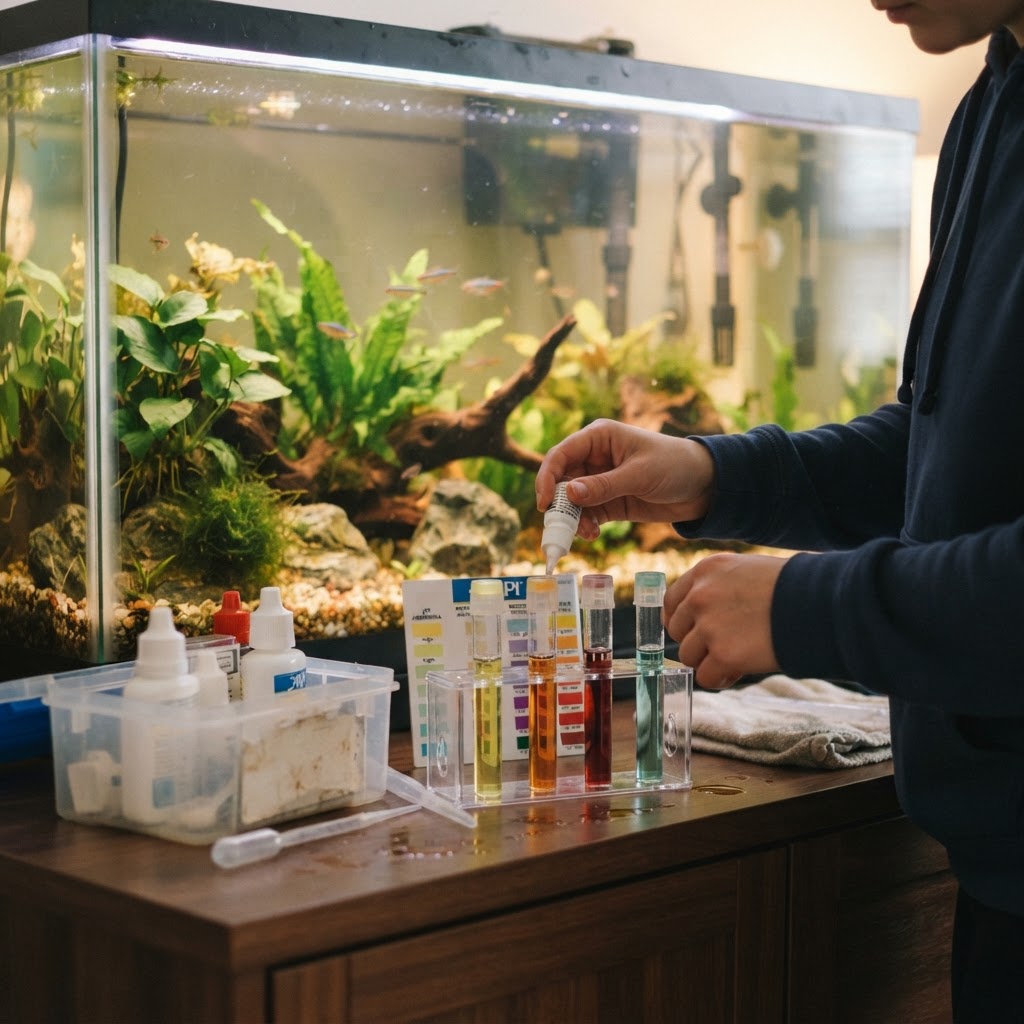
Fish constantly release ammonia into the water through their gills and waste, and in a mature tank, beneficial bacteria in the filter convert ammonia into nitrite and then into much less harmful nitrate. This is the "nitrogen cycle." When that cycle breaks, in a new tank, after overfeeding, after the filter is washed in tap water, or after adding too many fish, ammonia and nitrite build up. Both are toxic at very low levels: ammonia burns the gills and skin, and nitrite gets into the blood and blocks oxygen transport (brown blood disease). A spike can kill fish within hours, which is why water testing is the first thing to do with unwell fish.
What can cause a spike
A new, uncycled tank is the classic cause (the filter bacteria haven't developed yet). Overfeeding dumps excess waste. Overstocking or adding many fish at once overwhelms the filter. Washing filter media in tap water kills the bacteria with chlorine. A filter that stops or a dead fish decaying also cause spikes. Medication can sometimes knock back the filter bacteria.
When to worry, the red flags
Any ammonia or nitrite above zero in a stocked tank is a problem. Act immediately for:
- Ammonia or nitrite reading above zero with fish in the tank
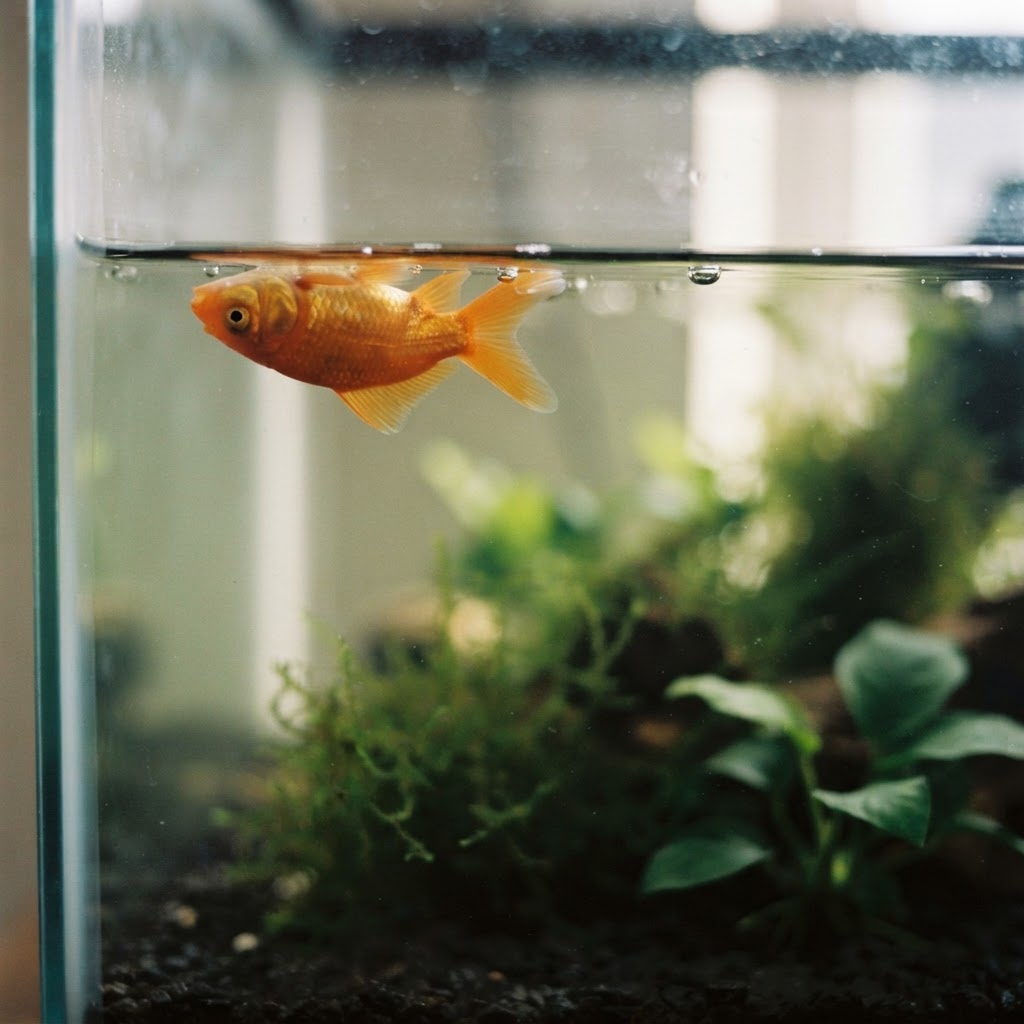
- Fish gasping at the surface, rapid breathing, or red gills
- Fish lethargic, hanging at the bottom, or not eating
- Deaths, a spike can kill fast
- Brown gills, nitrite poisoning
What to do right now
- Do a partial water change (25–50%) with dechlorinated, temperature-matched water, this is the single most important step.
- Repeat the water change and retest until ammonia and nitrite read zero.
- Stop feeding for a day or two, then feed very lightly to reduce waste.
- Add a conditioner that detoxifies ammonia/nitrite (some water conditioners bind ammonia temporarily) as a bridge.
- Increase aeration, nitrite reduces oxygen transport, so extra air helps.
- Check the filter is running and don't replace or wash all media at once.
What NOT to do
- ❌ Don't do a 100% water change, it can shock fish and stall the cycle; partials are better.
- ❌ Don't wash filter media in tap water, it kills the good bacteria.
- ❌ Don't feed normally, feeding adds ammonia.
- ❌ Don't add new fish during a spike.
How to treat it
Repeated partial water changes plus a conditioner that detoxifies ammonia/nitrite protect the fish while the filter bacteria catch up. A mature, cycled tank should keep both at zero on its own; a tank that keeps spiking is overstocked, overfed, or under-filtered and needs a bigger filter or fewer fish.
Preventing spikes
Cycle a new tank before adding fish, add fish gradually, feed sparingly, do weekly partial water changes, keep a filter rated for the tank and clean it in tank water, and never replace all filter media at once. Test the water regularly, catching a spike early prevents losses.
When to wait, and when to act now
Any ammonia or nitrite above zero with fish in the tank means act now, partial water change, retest, and repeat. A spike can kill within hours, so don't delay.
Run a free AI triage assessment for personalised next steps, or find a vet near you.
Frequently Asked Questions
Disclaimer: This article is for educational purposes only and is not a substitute for professional veterinary advice. If you're concerned about your pet's health, use our AI triage assessment or consult a licensed veterinarian.