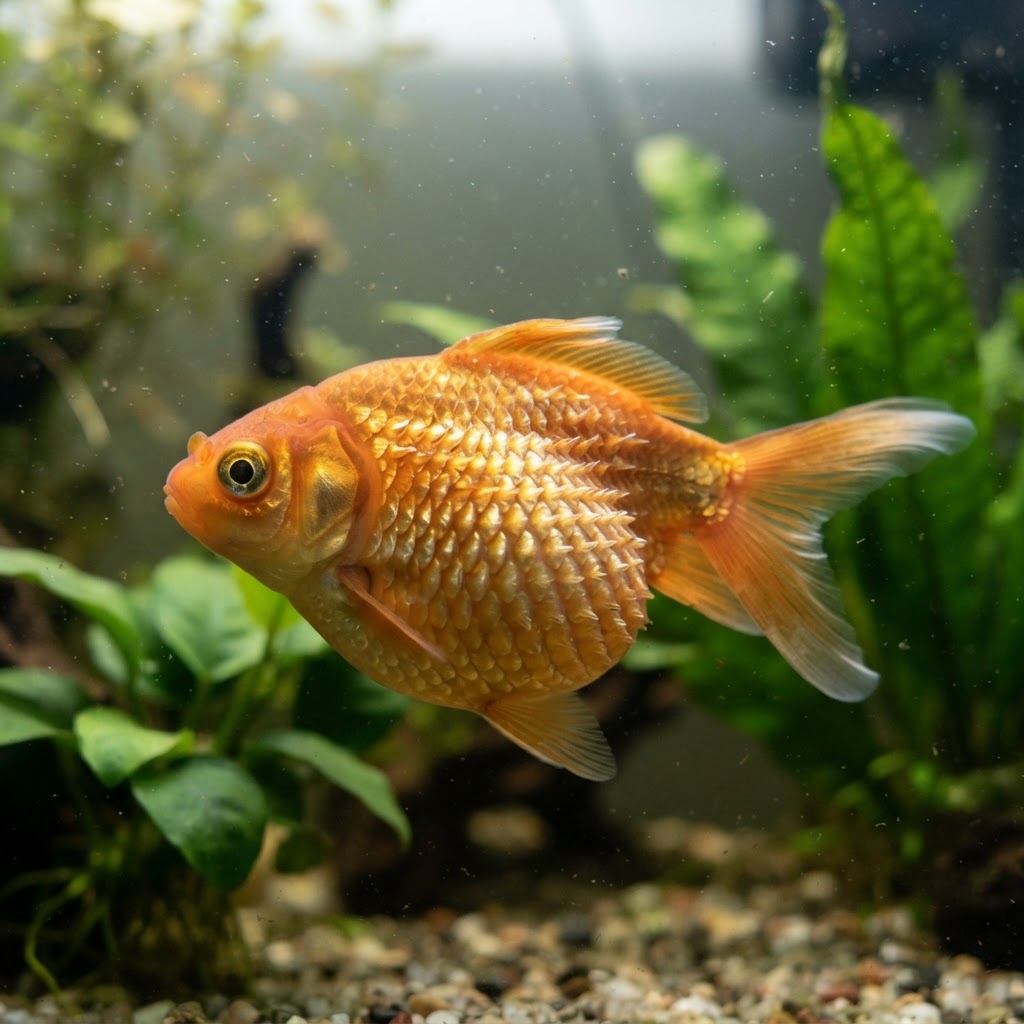
Bottom line: Dropsy isn't a single disease, it's fluid build-up that shows as a swollen belly and scales sticking out like a pinecone, and it usually means organ failure or serious internal infection. It's often advanced and hard to cure, so act fast and isolate the fish.
| Situation | Suggested action |
|---|---|
| Slightly full belly, fish bright and eating | Check diet/water, monitor |
| Swollen belly + raised scales ("pinecone") | Isolate, test water, consider treatment / vet |
| Dropsy + not eating, lethargy, or deaths | Treat / fish vet, often advanced |
What dropsy actually is
Dropsy is a sign, not a disease, it's the visible result of fluid building up inside the fish's body, pushing the scales outward so the fish looks like a pinecone. The fluid usually collects because the kidneys or other organs are failing, or because of a serious internal bacterial infection. By the time the scales are raised, the fish is quite sick, which is why dropsy has a reputation for being hard to treat. The key is catching it early, a swollen belly before the scales lift, and treating the underlying cause quickly.
What can cause it
Internal bacterial infection (often gram-negative) is a leading cause. Organ failure, usually kidneys, allows fluid to accumulate. Poor water quality (ammonia/nitrite) stresses the fish and lets infection take hold. Diet, overfeeding, and constipation can mimic a swollen belly without being true dropsy. Tumours can cause swelling too. Often a combination of stress and infection triggers organ failure, which then shows as dropsy.
When to worry, the red flags
A slightly full belly in a bright, eating fish can be watched briefly. Act for:
- A swollen belly with raised scales, the classic pinecone look
- Bulging eyes (pop-eye), often alongside dropsy
- Not eating, lethargy, or clamped fins
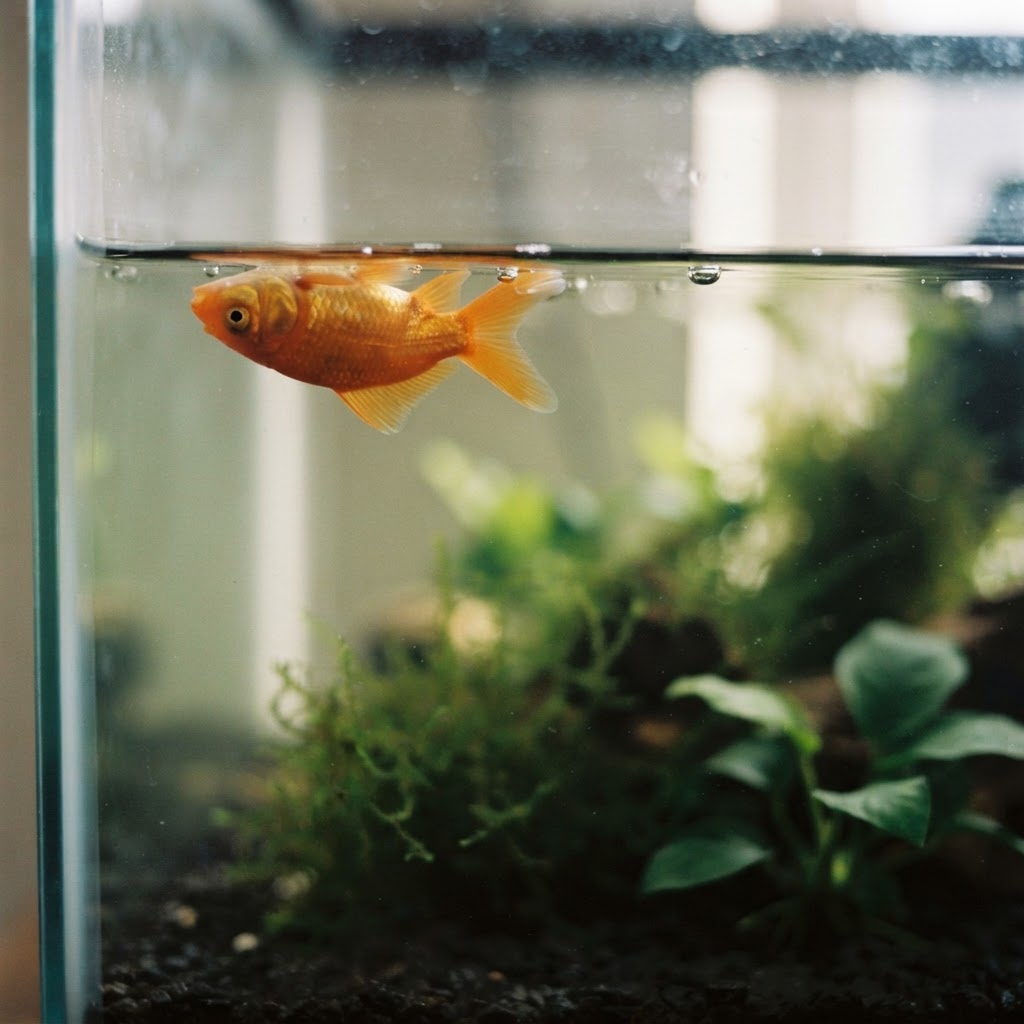
- Rapid breathing, or hanging at the surface
- Multiple fish affected, likely a water/infection problem
What to do right now
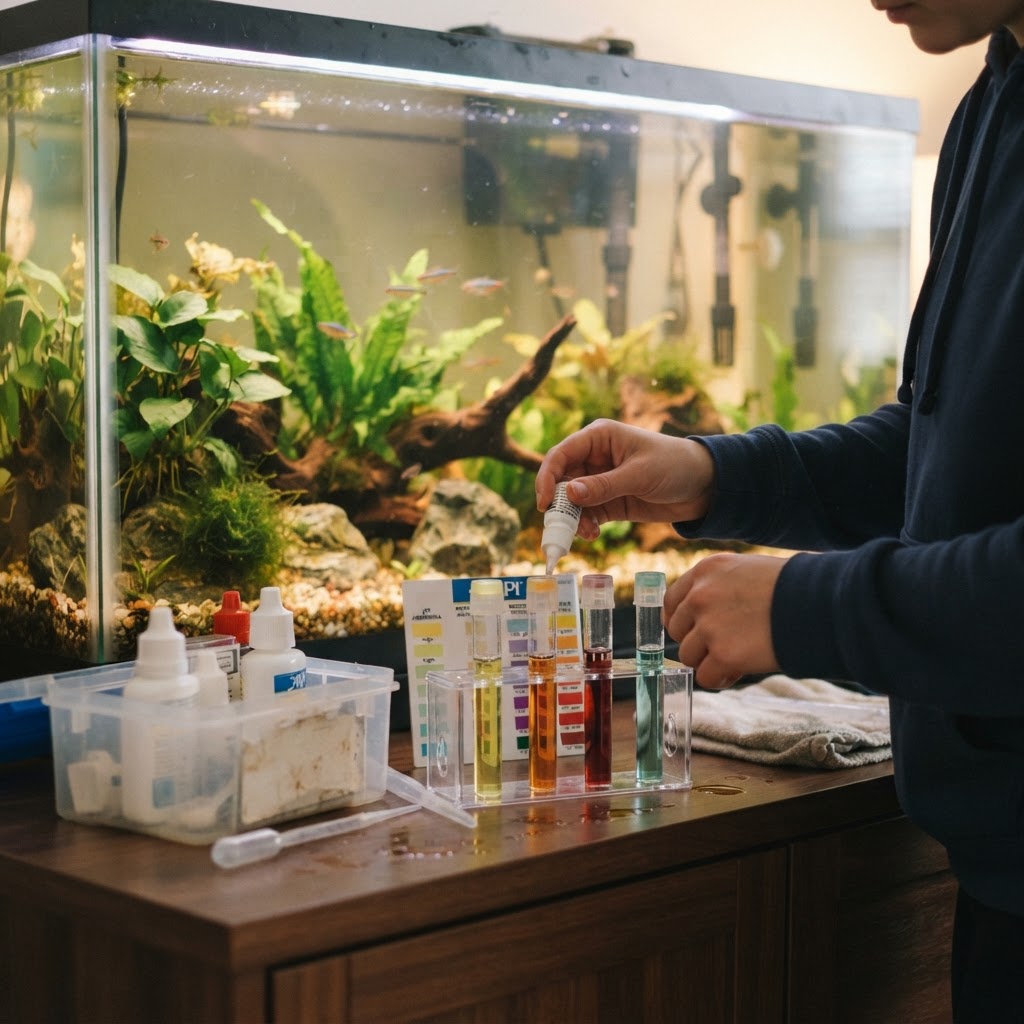
- Test the water, ammonia and nitrite must be zero; fix anything out of range with a water change.
- Isolate the affected fish in a clean hospital tank to protect others and control treatment.
- Add aquarium salt at a low, fish-safe dose (check species, not all tolerate salt) to help with fluid balance.
- Consider an antibacterial medication, dropsy often needs internal bacterial treatment; a fish vet can guide choice.
- Stop feeding for a day or two, then offer a peeled, cooked pea to help rule out constipation.
- Keep water pristine in the hospital tank with daily partial changes.
What NOT to do
- ❌ Don't ignore raised scales, it's advanced and the fish is very sick.
- ❌ Don't overfeed, it worsens water and the fish.
- ❌ Don't use salt with salt-sensitive species (some catfish, loaches, tetras) without checking.
- ❌ Don't expect a fast cure, dropsy is often late-stage; treatment is worth trying but outcomes are guarded.
How to treat it
Treatment combines clean water, low salt (where safe), and an internal antibacterial medication, ideally after a fish vet identifies the cause. Caught early, some fish recover; once scales are strongly raised and the fish has stopped eating, the outlook is poor. Euthanasia is a kind option for advanced, suffering cases, a fish vet can advise.
Preventing dropsy
Keep water pristine with regular testing and changes, avoid overfeeding, feed a varied diet, keep stocking sensible, and quarantine new fish. Reducing stress and maintaining water quality prevents most of the infections and organ stress that lead to dropsy.
When to wait, and when to act now
A slightly full belly in a bright fish can be watched briefly. Raised scales, a swollen belly, or pop-eye means isolate and act now, dropsy is advanced and outcomes depend on speed.
Run a free AI triage assessment for personalised next steps, or find a vet near you.
Frequently Asked Questions
Disclaimer: This article is for educational purposes only and is not a substitute for professional veterinary advice. If you're concerned about your pet's health, use our AI triage assessment or consult a licensed veterinarian.