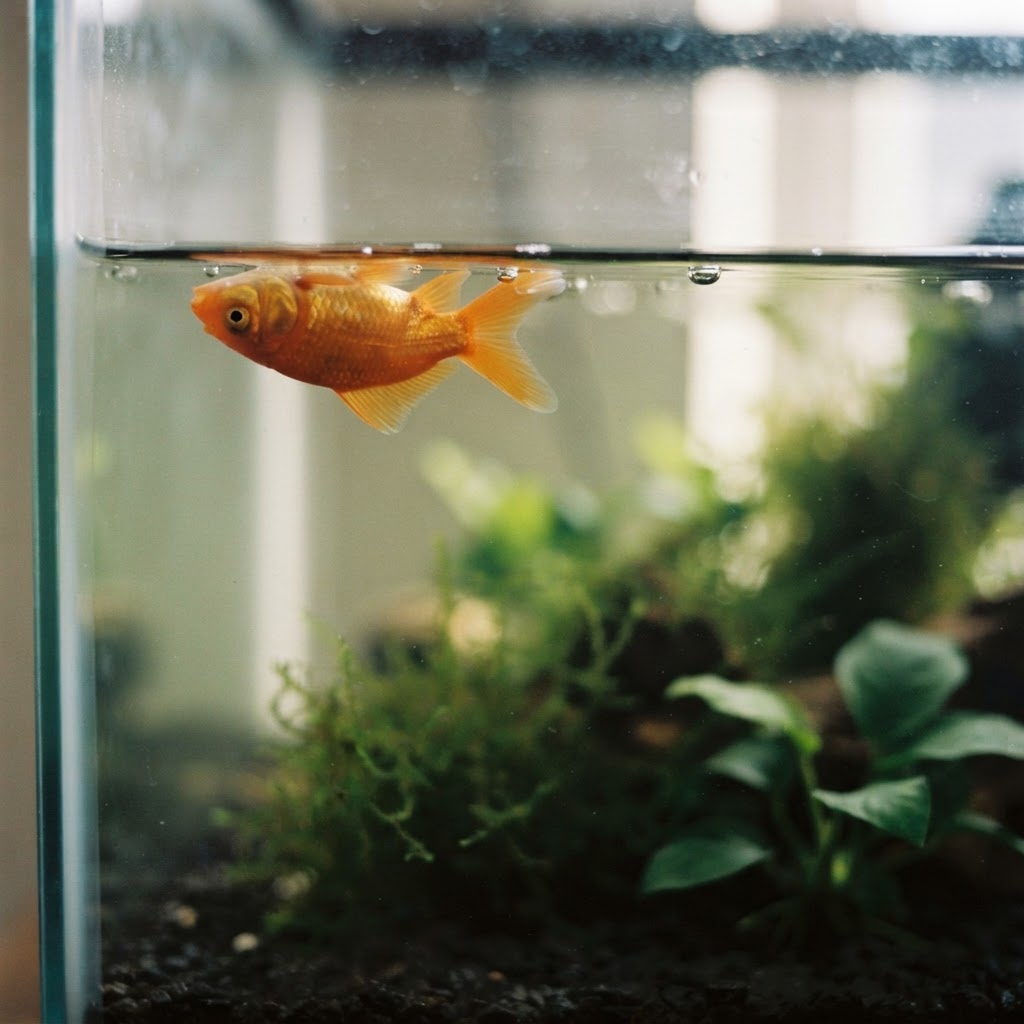
Bottom line: A fish swimming upside down or floating at the surface usually has a swim bladder problem, often from overfeeding, constipation, or a sudden temperature change. Stop feeding, try a peeled cooked pea, and check the water; persistent cases need a closer look.
| Situation | Suggested action |
|---|---|
| Brief odd swimming after feeding | Stop feeding a day, monitor |
| Floating or sinking, can't right itself | Fast, then peeled pea, check water |
| Persistent, not eating, or with swelling | Fish vet, may be infection or organ issue |
Why a fish swims upside down
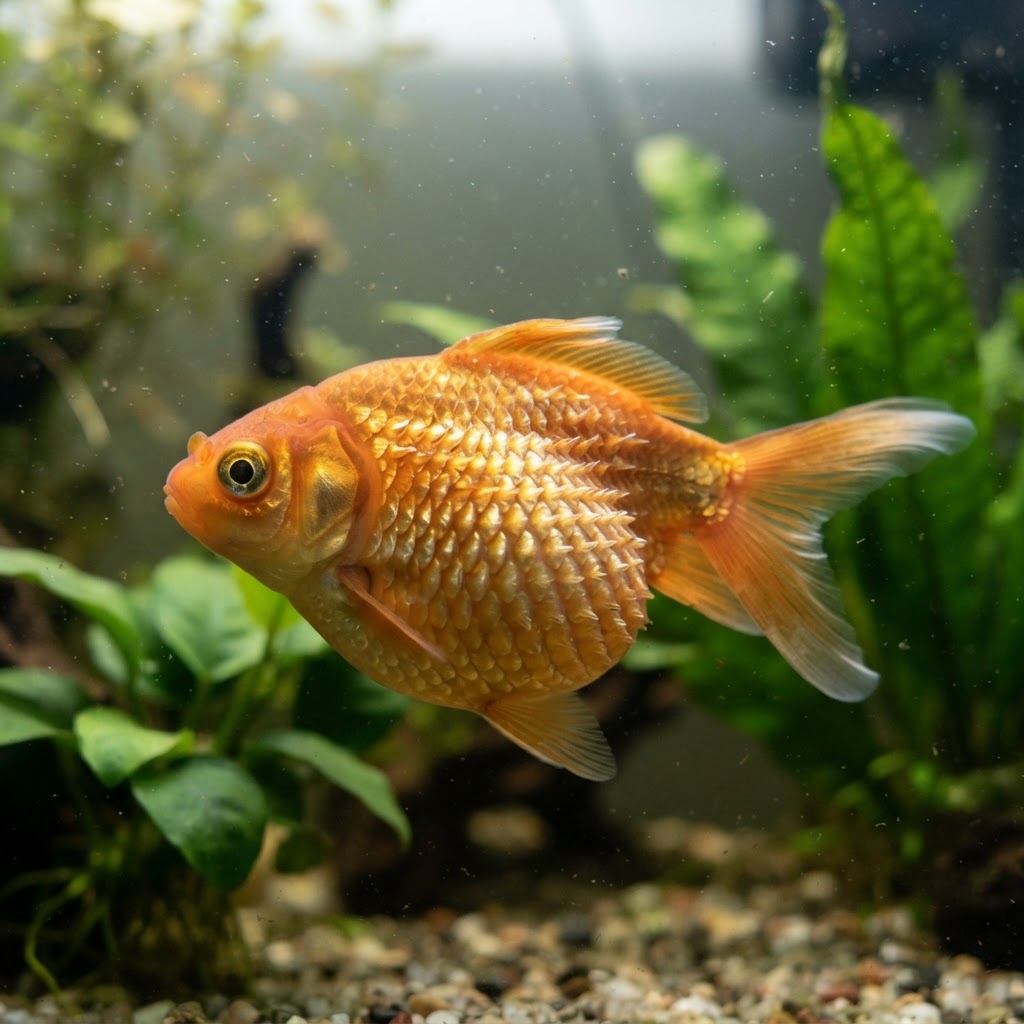
Most bony fish use a swim bladder, an internal gas-filled organ, to control their buoyancy and stay upright. When the swim bladder is disrupted, the fish loses its balance: it may float to the top, sink to the bottom, swim on its side, or flip upside down. This is a swim bladder disorder, and in goldfish and fancy goldfish in particular it's very common. The good news is that many cases are caused by something simple and reversible, overfeeding, constipation pressing on the swim bladder, or a sudden temperature change, and respond to a short fast and a simple food change. Persistent or severe cases can point to infection, organ disease, or a physical deformity.
What can cause it
Overeating or constipation is the most common cause, a full gut presses on the swim bladder and throws off buoyancy. Gulping air at the surface while eating dry food can also introduce gas. A sudden temperature change during a water change shocks the swim bladder. Bacterial infection of the swim bladder or surrounding organs is a more serious cause. Fancy goldfish are prone because of their round body shape. Physical injury or water quality problems can contribute.
When to worry, the red flags
Brief odd swimming right after a big meal can be fasted and watched. Investigate for:
- Floating, sinking, or swimming upside down for more than a day
- Unable to right itself, or listing to one side
- A swollen belly, raised scales, or a matted vent**
- Not eating, lethargy, or clamped fins
- Signs of infection, redness, sores, or rapid breathing
What to do right now
- Stop feeding for 2–3 days to let the gut empty, often this alone fixes buoyancy from constipation.
- Offer a peeled, cooked, crushed pea after the fast, it's a mild laxative that helps clear the gut.
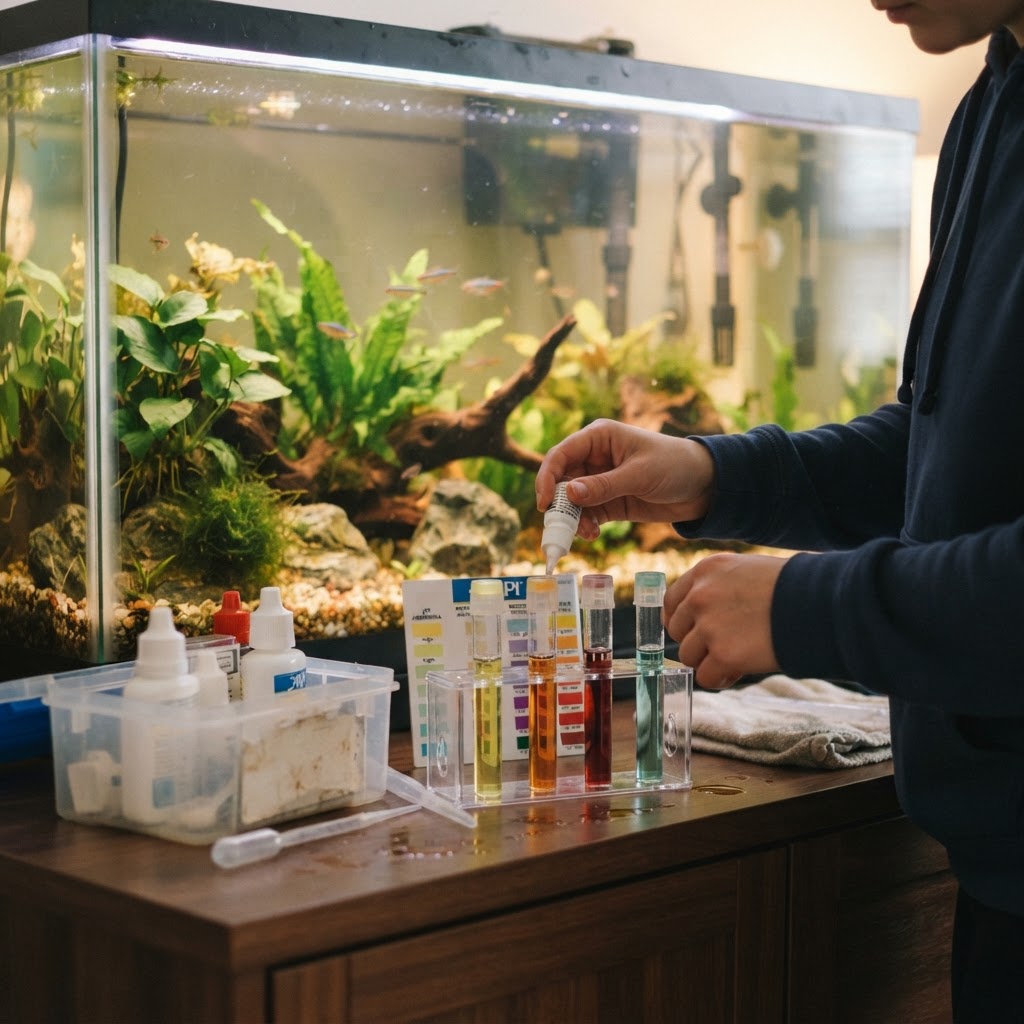
- Test the water, ammonia, nitrite, nitrate, temperature; fix anything out of range.
- Match the water temperature carefully on changes; avoid sudden swings.
- Switch to sinking food and soak dry food before feeding, to prevent air gulping.
- Consider an antibacterial treatment if there are signs of infection; a fish vet can help with stubborn cases.
What NOT to do
- ❌ Don't keep feeding, a full gut worsens the buoyancy problem.
- ❌ Don't feed floating dry food to a fish prone to swim bladder issues.
- ❌ Don't do big temperature-swing water changes.
- ❌ Don't assume it will pass if it persists beyond a few days, infection or organ disease may be involved.
How to treat it
A fast and a pea resolve many cases caused by constipation. Persistent swim bladder problems, especially with swelling, sores, or not eating, may need antibacterial treatment or a fish vet. Some fancy goldfish have permanent buoyancy issues from their body shape; these are managed with diet and careful water, not cured.
Preventing swim bladder problems
Feed soaked or sinking food in small amounts, avoid overfeeding, do regular partial water changes with temperature-matched water, and keep water quality high. For fancy goldfish, a high-fibre diet with occasional peas helps keep the gut moving and the swim bladder unpressured.
When to wait, and when to act now
Brief odd swimming after a big meal can be fasted and watched. Floating or upside down for more than a day, or with swelling or not eating, needs a fast, a pea, a water check, and a fish vet if it persists.
Run a free AI triage assessment for personalised next steps, or find a vet near you.
Frequently Asked Questions
Disclaimer: This article is for educational purposes only and is not a substitute for professional veterinary advice. If you're concerned about your pet's health, use our AI triage assessment or consult a licensed veterinarian.