Bottom line: Most adult cats are lactose intolerant and will develop digestive upset after drinking milk. Water is the only fluid a cat needs; avoid giving cow's milk entirely to prevent diarrhoea and discomfort.
| Situation | Suggested action |
|---|---|
| Severe vomiting/diarrhoea | Contact your vet |
| Ingested small amount | Monitor for tummy upset |
| Kitten (orphaned) | Use special cat milk formula |
| Healthy cat | Provide only fresh water |
The Most Famous Myth in the Pet World
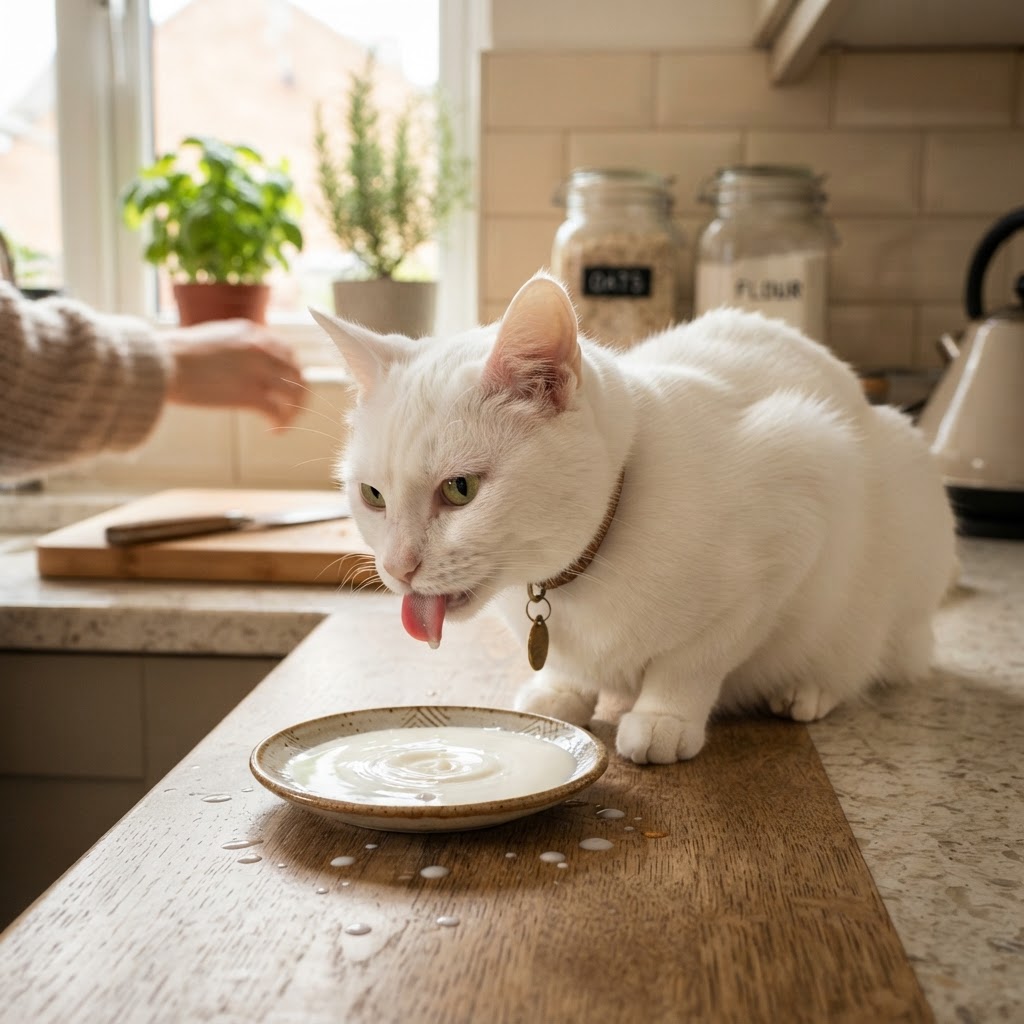
Picture a cat. What do you see? Probably a contented tabby lapping at a saucer of milk. It's one of the most enduring images in popular culture - from children's books to cartoons to grandma's kitchen.
Here's the problem: it's a myth. And giving your cat a saucer of cow's milk is one of the most common causes of upset stomachs in cats.
The reality is that most adult cats are lactose intolerant. That cute image of a cat drinking milk? It's likely to be followed a few hours later by a very unpleasant litter tray - and a very uncomfortable cat.
Why Cats Can't Digest Milk
It all comes down to an enzyme called lactase.
When kittens are born, they produce plenty of lactase - it's essential for digesting their mother's milk. But as they wean and transition to solid food (which happens naturally at around 8–10 weeks of age), lactase production drops dramatically.
By the time a cat reaches adulthood, lactase levels are so low that they simply cannot break down lactose - the sugar found in milk. The undigested lactose passes into the large intestine, where bacteria ferment it, producing gas, drawing in water, and causing all sorts of gastrointestinal havoc.
This is the exact same process that happens in lactose-intolerant humans. And just like humans, the severity varies - some cats can handle a tiny amount with no issue, while others react to even a few drops.
What Happens When a Lactose-Intolerant Cat Drinks Milk
Within 8–12 hours of drinking cow's milk, a lactose-intolerant cat may experience:
- 🐾 Diarrhoea - the most common symptom
- Vomiting
- Bloating and gas - your cat may be restless or uncomfortable
- Abdominal pain - they may resist having their belly touched
- Loss of appetite
These symptoms are unpleasant but usually self-limiting - they resolve once the milk has passed through the system. But repeated exposure can cause chronic gut inflammation, and in kittens or senior cats, the resulting dehydration can be dangerous.
Is Any Type of Milk Safe?
Let's break down the options:
Cow's milk - Not recommended. High in lactose and not nutritionally appropriate for cats.
Goat's milk - Slightly lower in lactose, but still not suitable. Some owners offer it as an occasional treat, but the risk of stomach upset usually outweighs any benefit.
Cat milk products - Specially formulated cat milk (available from pet shops) is lactose-reduced and safe in small amounts as an occasional treat. It's the closest thing to the traditional "saucer of milk" - without the consequences.
Kitten milk replacer (KMR) - Designed for orphaned or rejected kittens under 8 weeks of age. This is nutritionally appropriate for kittens and should be used instead of cow's milk if you are hand-rearing a kitten. Never give cow's milk to a kitten - it doesn't have the right balance of nutrients and will cause diarrhoea, which is life-threatening in very young animals.
Better Ways to Treat Your Cat
If you want to give your cat something special, try these instead:
- 🐾 Fresh, clean water - the most important drink for cats, always available
- Small amounts of cooked meat - a teaspoon of plain boiled chicken or fish is a much better treat than milk
- Cat grass - provides fibre and enrichment, and many cats love it
- Commercial cat treats - in moderation
- Wet food - provides both nutrition and moisture, which most cats need more of
The Real Drink Your Cat Needs: Water
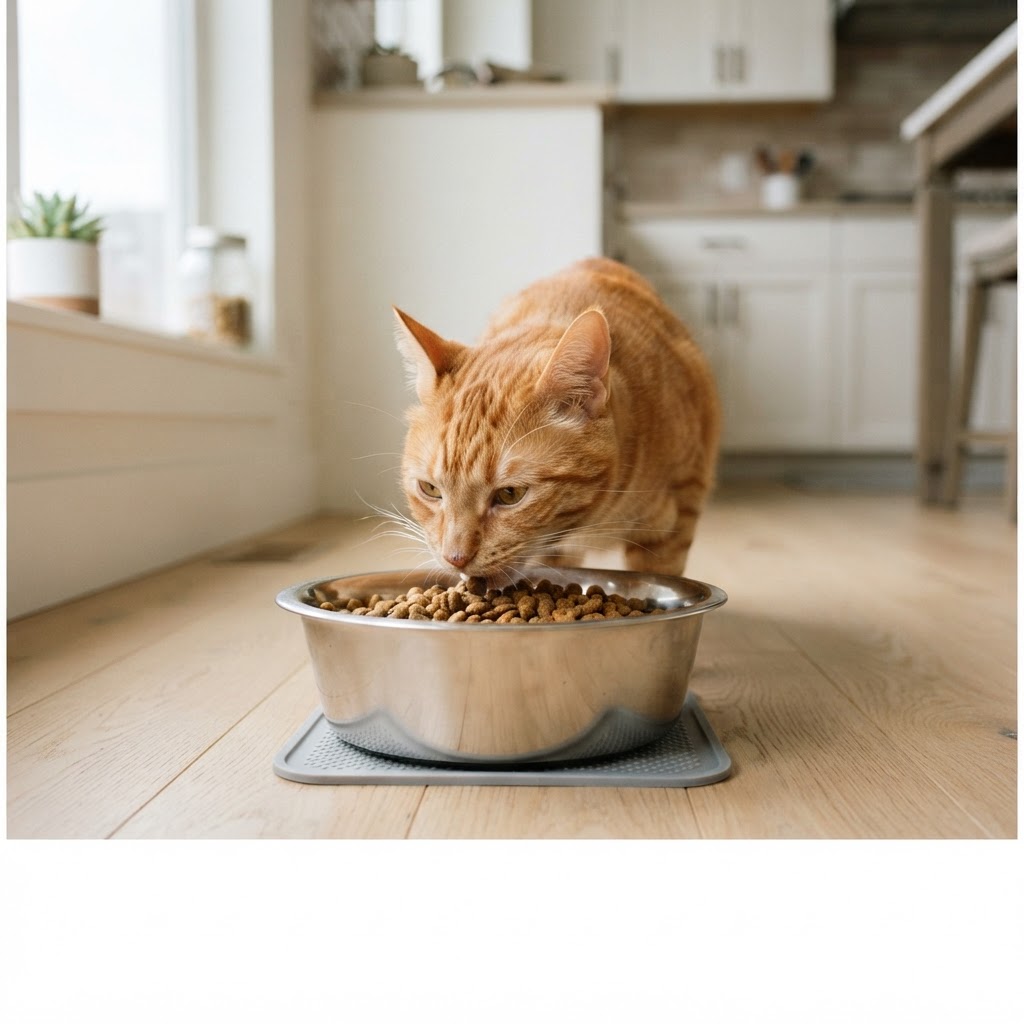
Here's a surprising fact: cats have a remarkably low thirst drive. In the wild, they get most of their hydration from their prey (which is around 70% water). A cat eating a purely dry food diet gets very little water from food and may not drink enough to compensate - this is one reason why urinary tract and kidney problems are so common in cats.
To encourage your cat to drink more:
- Use a cat water fountain - running water is far more appealing to cats than still water in a bowl (it mimics a fresh stream)
- Place water bowls in multiple locations - some cats prefer water away from their food
- Keep water and food bowls separate - in the wild, cats don't eat and drink at the same location
- Feed wet food - even one meal a day of wet food significantly increases water intake
- Use wide, shallow bowls - deep bowls can touch your cat's whiskers and cause "whisker fatigue"
If your cat suddenly starts drinking much more water than usual, see your vet. Increased thirst can be an early sign of kidney disease or diabetes.
The Bottom Line
The image of a cat with a saucer of milk is a charming one - but it belongs in storybooks, not in your kitchen. Your cat doesn't need milk, and in most cases, it'll do more harm than good. Fresh water, a species-appropriate diet, and the occasional cat-safe treat will keep your feline friend far healthier than any saucer of milk ever could.
Frequently Asked Questions
Disclaimer: This article is for educational purposes only and is not a substitute for professional veterinary advice. If you're concerned about your pet's health, use our AI triage assessment or consult a licensed veterinarian.