Bottom line: An occasional bite of dog food won't hurt your cat, but it should not be a regular meal. Cats have unique nutritional needs, such as taurine, which are missing from dog food and can lead to serious health issues over time.
| Situation | Suggested action |
|---|---|
| Ate a small amount | Monitor for upset stomach |
| Consistently eating dog food | Switch back to cat food; consult vet |
| Vomiting or diarrhoea | Contact your vet |
| Chronic weight loss or lethargy | Schedule a wellness exam |
Is Dog Food Safe for Cats?
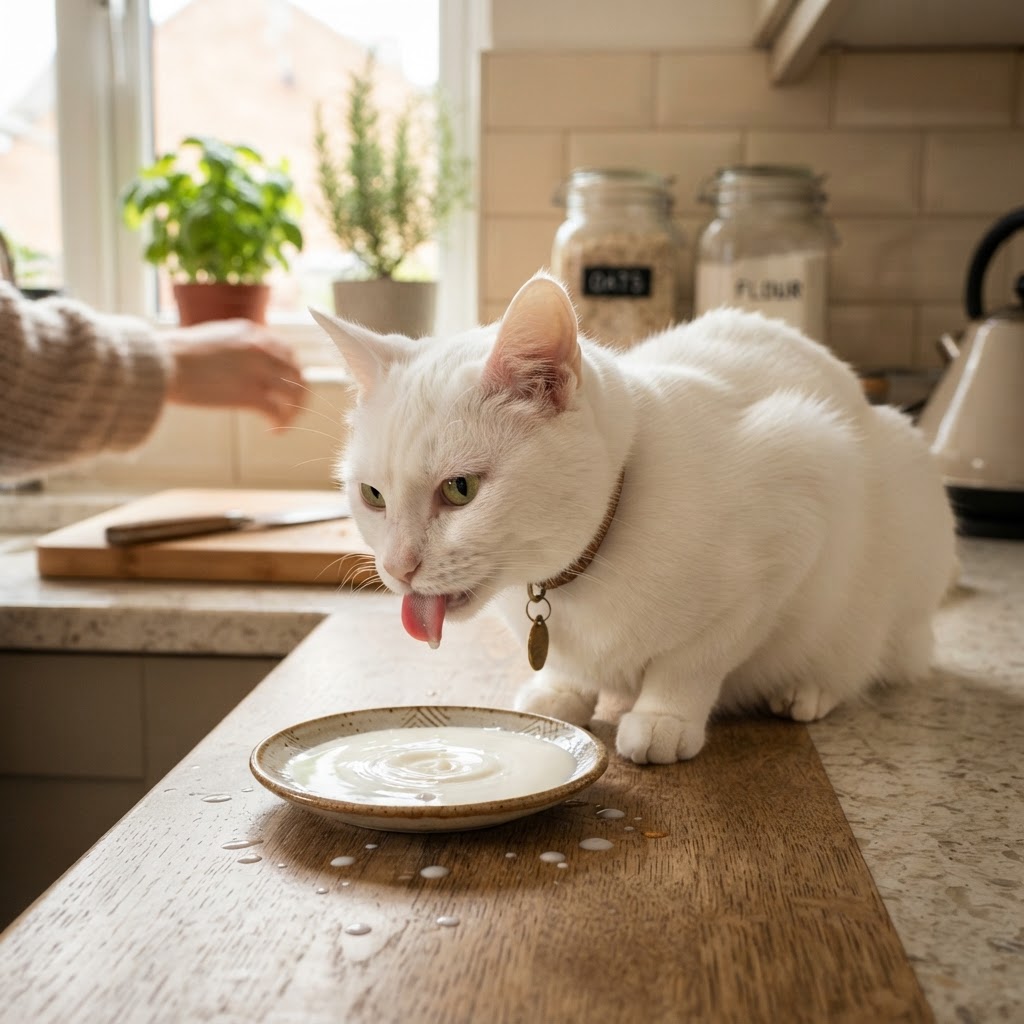
If your cat has stolen a few kibbles from the dog's bowl, there is usually no cause for alarm. A one-off snack of dog food will not harm a healthy cat. However, dog food is not nutritionally adequate for cats, and feeding it regularly can lead to serious health problems.
The fundamental issue is that cats and dogs have different nutritional requirements. Cats are obligate carnivores, meaning they must eat animal-based protein to survive. Dogs are omnivores and can thrive on a more varied diet that includes plant-based ingredients.
Key Nutritional Differences
Taurine
Taurine is an essential amino acid for cats. Unlike dogs, cats cannot synthesise enough taurine from other amino acids and must obtain it directly from their diet. Dog food typically contains lower levels of taurine than cat food because dogs do not have the same requirement.
A taurine deficiency in cats can lead to:
- Dilated cardiomyopathy (a serious heart condition)
- Retinal degeneration leading to blindness
- Reproductive problems
- Delayed growth in kittens
Protein
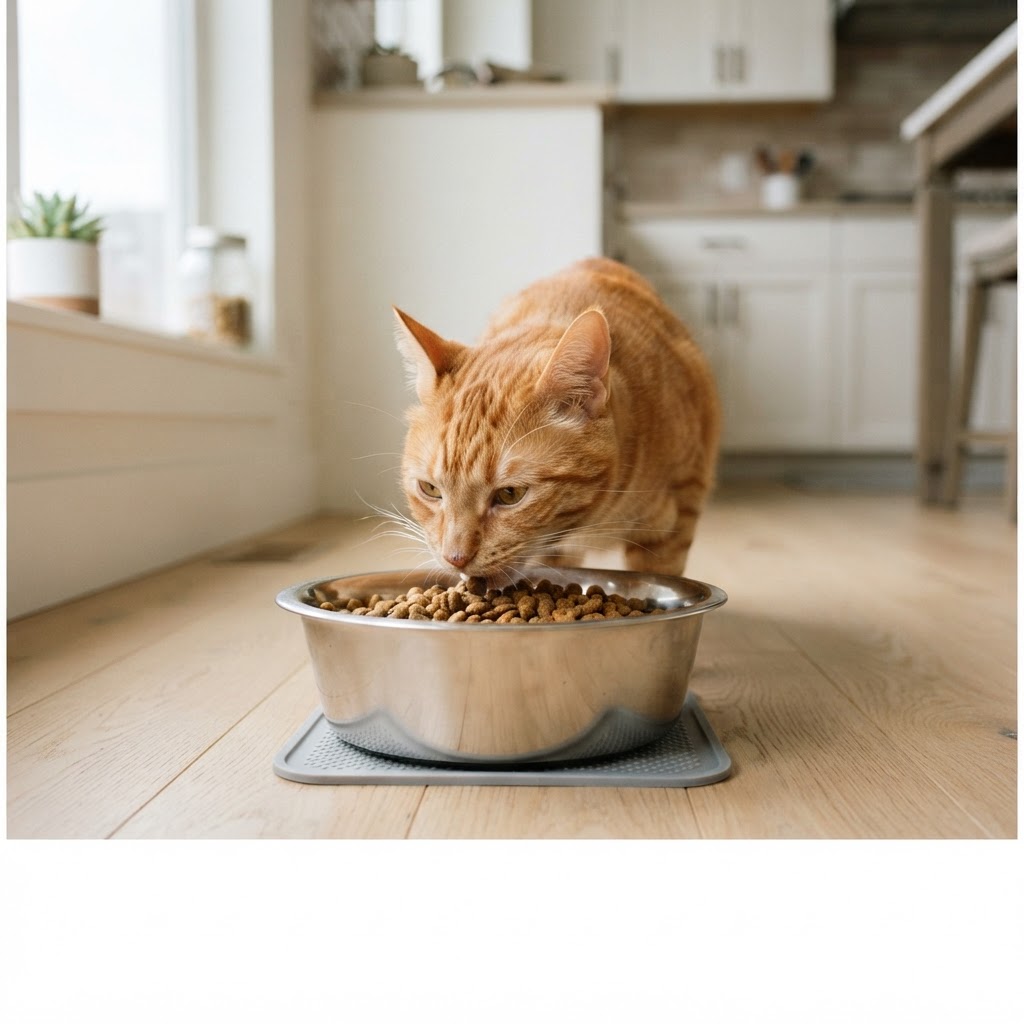
Cats require a higher percentage of protein in their diet than dogs. Dog food contains less protein overall, and much of it may come from plant sources that cats cannot utilise efficiently. Over time, a protein-deficient diet can lead to muscle loss and poor coat condition.
Vitamin A
Dogs can convert beta-carotene from plants into vitamin A. Cats cannot - they require preformed vitamin A, which is only found in animal tissues. Dog food may not contain adequate levels of preformed vitamin A for cats.
Arachidonic Acid
Cats require arachidonic acid, a fatty acid found in animal fats. Dogs can produce it from plant-based precursors, so dog food may not contain enough of this essential nutrient for cats.
Niacin
Cats cannot convert the amino acid tryptophan into niacin as efficiently as dogs, so they need higher levels of dietary niacin. Dog food may not meet this requirement.
If your cat regularly eats dog food instead of cat food, they are at risk of developing serious nutritional deficiencies. Over time, these deficiencies can cause heart disease, vision loss, and other health problems.
What Happens If Your Cat Eats Dog Food Once?
A one-time snack of dog food is unlikely to cause any harm. Your cat may experience mild gastrointestinal upset such as:
- Vomiting
- Loose stool
- Mild abdominal discomfort
These symptoms are typically due to the sudden change in diet rather than toxicity. Ensure your cat has access to fresh water and their regular cat food, and symptoms should resolve within 24 hours.
Long-Term Risks of Feeding Dog Food to Cats
If your cat eats dog food regularly, they may develop:
- Protein malnutrition: Leading to weight loss, poor coat condition, and muscle wasting
- Taurine deficiency: Causing heart disease and vision problems
- Vitamin A deficiency: Leading to skin and coat problems, and eye issues
- Weight gain or loss: Dog food has different caloric density than cat food
- Urinary issues: Cat food is formulated to maintain urinary tract health, which dog food does not address
How to Stop Your Cat Eating Dog Food
If your cat is a dog food thief, try these strategies:
1. Feed Pets Separately
Feed your cat and dog in different rooms at set meal times. Remove bowls after feeding rather than leaving food out all day.
2. Use Elevated Bowls
If your cat cannot reach the dog's bowl, place it on a surface the cat cannot access. Alternatively, feed your cat on a higher surface that the dog cannot reach.
3. Use Automatic Feeders
Automatic feeders with microchip recognition can ensure each pet only eats from their own bowl.
4. Monitor During Meal Times
Supervise your pets during feeding and redirect your cat if they approach the dog's food.
When to Contact Your Vet
Contact your vet if your cat has eaten a large amount of dog food and is showing symptoms such as persistent vomiting, diarrhoea, lethargy, or loss of appetite. If your cat has been eating dog food regularly over a long period, schedule a check-up to assess for nutritional deficiencies.
Frequently Asked Questions
Disclaimer: This article is for educational purposes only and is not a substitute for professional veterinary advice. If you're concerned about your pet's health, use our AI triage assessment or consult a licensed veterinarian.