Bottom line: If your dog shows any emergency red flag such as difficulty breathing, collapse, severe bleeding, pale gums, repeated vomiting, a swollen abdomen, or known toxin ingestion, go to the emergency vet immediately. If symptoms are mild, your dog is eating and drinking, and there are no red flags, monitoring at home may be reasonable. When in doubt, call an emergency vet for advice.
| Situation | Suggested action |
|---|---|
| Difficulty breathing, collapse, seizures, severe bleeding, or pale/white gums | Go to the emergency vet now |
| Known toxin ingestion (chocolate, xylitol, rat poison, lilies, human medication) | Call the vet or poison helpline now; do not wait for symptoms |
| Swollen, painful abdomen with retching or attempted vomiting (possible bloat) | Go to the emergency vet now - this can be fatal within hours |
| Repeated vomiting, persistent diarrhoea, or unable to keep water down | Urgent vet assessment today |
| Mild symptoms (one vomit, slightly off food) with no red flags | Monitor at home; contact vet if worsens or persists beyond 24 hours |
Is this an emergency?
The following are always emergencies. If your dog shows any of these signs, do not wait:
- Difficulty breathing (open-mouth breathing at rest, gasping, laboured effort, blue or pale gums)
- Collapse, unconsciousness, or seizures
- Severe or uncontrolled bleeding
- Pale, white, blue, or grey gums (shock, internal bleeding, or oxygen deprivation)
- Known toxin ingestion (chocolate, xylitol, rat poison, antifreeze, human medication, toxic plants)
- Swollen, tight, or painful abdomen with retching or attempted vomiting (possible bloat / GDV - can be fatal within hours)
- Inability to urinate (especially in male dogs - urinary blockage is life-threatening)
- Eye prolapse or severe eye injury
- Severe trauma (hit by car, fall from height, dog attack, deep wounds)
- Heatstroke (body temperature above 41C / 106F, heavy panting, collapse, vomiting)
- Persistent vomiting (3+ times in a few hours) or vomiting blood
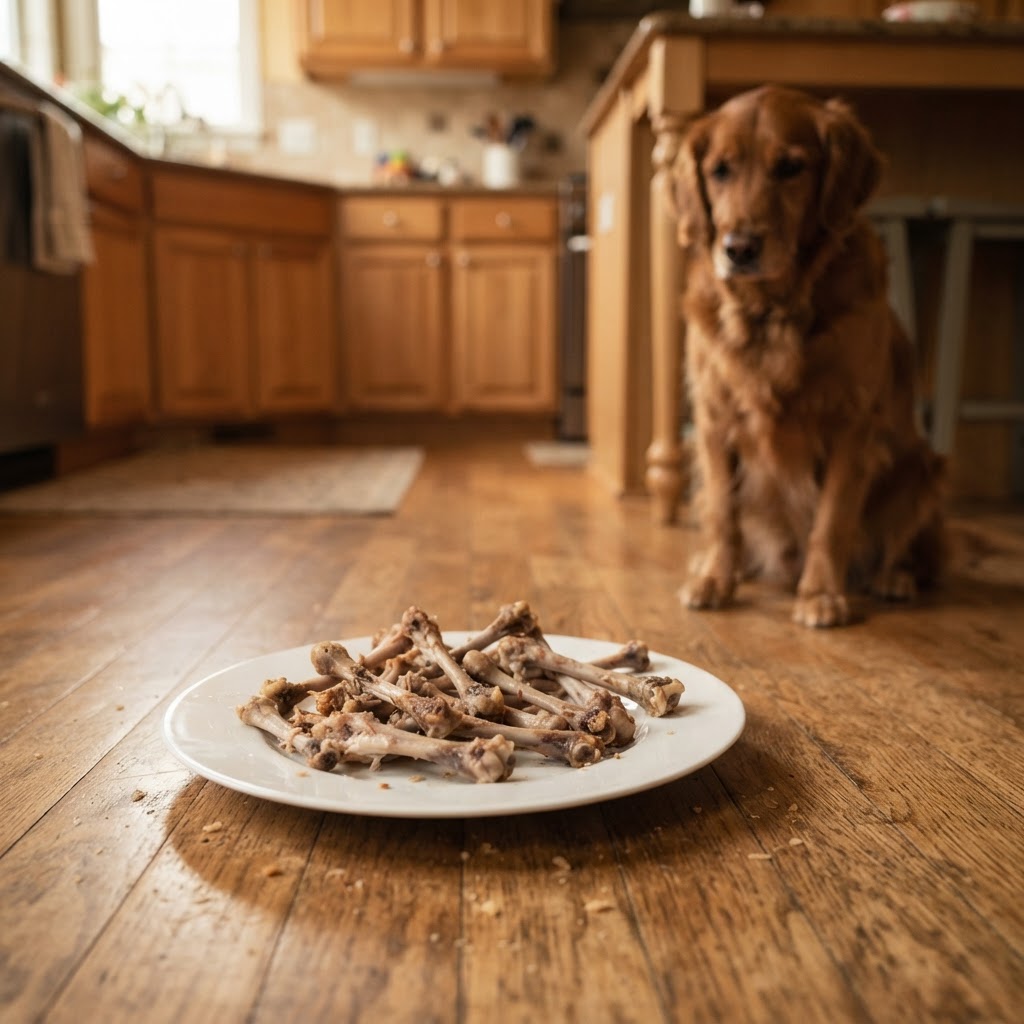
- Ingested a foreign object (sock, toy, bone, string) especially if not eating or vomiting
When should I go to the emergency vet versus my regular vet?

Go to the emergency vet (or emergency clinic) for:
- Any of the red flags listed above
- Symptoms that appeared suddenly and are severe
- Symptoms that are getting worse rapidly
- Situations outside your regular vet's hours
- Your regular vet advises you to go to emergency
Book a regular vet appointment for:
- Mild symptoms that have been present for less than 24 hours
- Non-urgent concerns (limping without severe pain, mild ear irritation, small skin lump)
- Preventative care (vaccinations, dental check, weight management)
- Follow-up on a known, stable condition
When is it OK to wait and monitor?
Monitoring at home is reasonable when ALL of the following are true:
- Your dog is bright, alert, and responsive
- Your dog is still eating and drinking normally
- Breathing is normal (quiet, effortless, 16-30 breaths per minute at rest)
- Gums are pink and moist
- No vomiting, or only a single episode with return to normal
- No diarrhoea, or mild diarrhoea for less than 24 hours with normal energy
- No abdominal swelling or pain
- No bleeding, collapse, or seizures
- No known toxin ingestion
- Your dog is a healthy adult (not a puppy, senior, or dog with pre-existing conditions)
If monitoring at home, check your dog regularly and note any changes. If symptoms worsen or new symptoms develop, contact a vet immediately.
What should I do right now?
- Check for red flags (listed above). If any are present, go to the emergency vet now.
- If unsure, call an emergency vet for advice. Most emergency clinics will triage over the phone and tell you whether to come in.
- Take a photo or video of the symptom if possible - this helps the vet assess the situation.
- Keep your dog calm and comfortable. Do not let them exert themselves.
- Do not give human medication unless instructed by a vet.
- If a toxin is involved, call a poison helpline for immediate guidance.
What should I avoid doing?
- Do not wait if red flags are present. Dogs can deteriorate quickly.
- Do not give human medication (ibuprofen, paracetamol, aspirin, Pepto-Bismol) - many are toxic to dogs.
- Do not induce vomiting without veterinary instruction - some substances cause more damage coming back up.
- Do not force-feed a sick dog. If they want to eat, offer a small bland meal.
- Do not assume your dog will improve if symptoms are getting worse.
What information should I give the veterinarian?
- What symptoms you are seeing and when they started
- Whether symptoms are getting better, worse, or staying the same
- Whether your dog is eating, drinking, urinating, and having bowel movements
- Whether your dog may have eaten something unusual (toxins, foreign objects, human food)
- Your dog's breed, age, weight, sex, and any pre-existing conditions
- Any medications or supplements your dog takes
- Whether your dog is vaccinated and up to date
- Your dog's temperature if you know how to take it safely
- A photo or video of the symptom if available
How will a veterinarian help?
Depending on the situation, the emergency vet may:
- Stabilise your dog (oxygen, IV fluids, pain relief, bleeding control)
- Run diagnostics (blood tests, X-rays, ultrasound)
- Hospitalise for monitoring and treatment
- Perform emergency surgery (for bloat, blockage, or trauma)
- Refer to a specialist if needed
Ready for a personalised assessment?
Still not sure if your dog needs emergency care? Use our free AI triage assessment. Describe the symptoms and get an instant urgency rating with clear next steps.
Need to find an emergency vet?
Find the nearest open veterinary clinic right now.
References
This article is informed by veterinary emergency medicine triage protocols, standard canine emergency care references, and ASPCA Animal Poison Control guidelines. Last clinically reviewed: August 2026.
Frequently Asked Questions
Disclaimer: This article is for educational purposes only and is not a substitute for professional veterinary advice. If you're concerned about your pet's health, use our AI triage assessment or consult a licensed veterinarian.