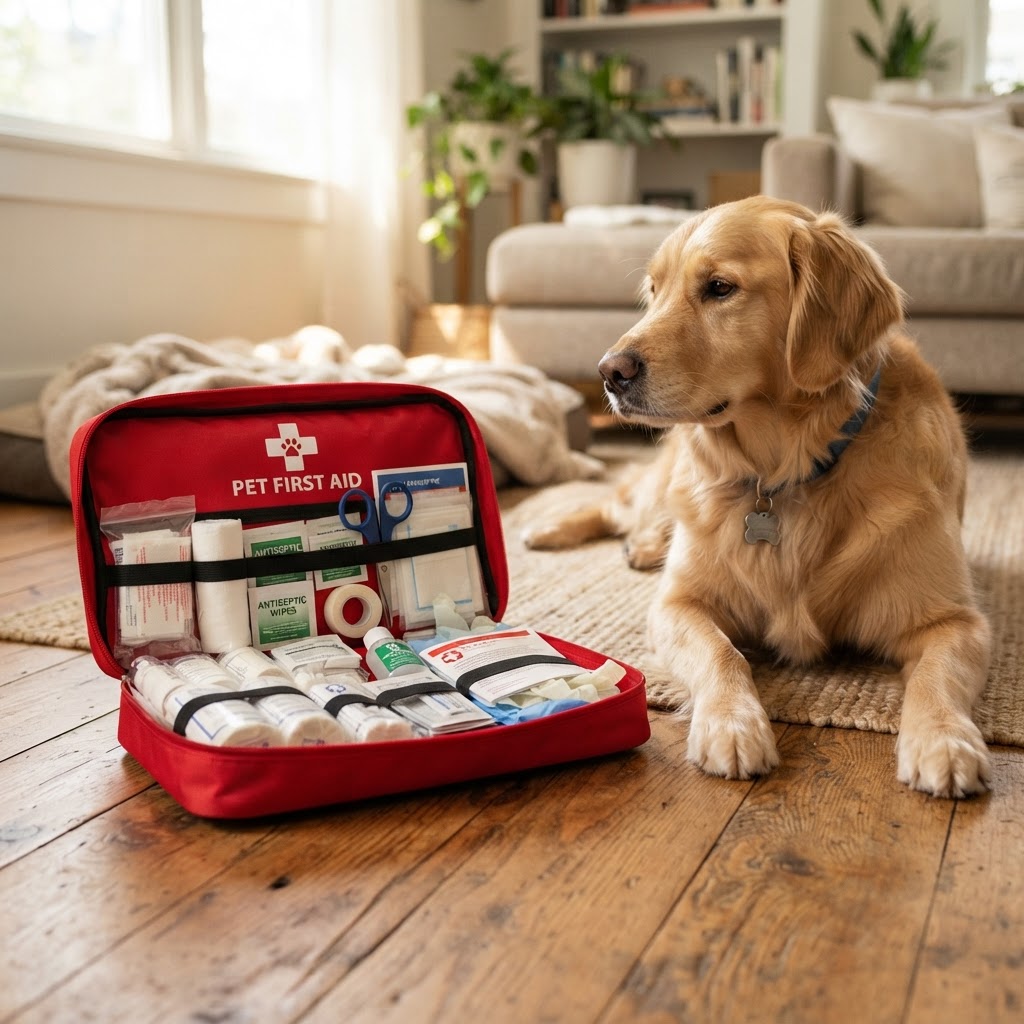
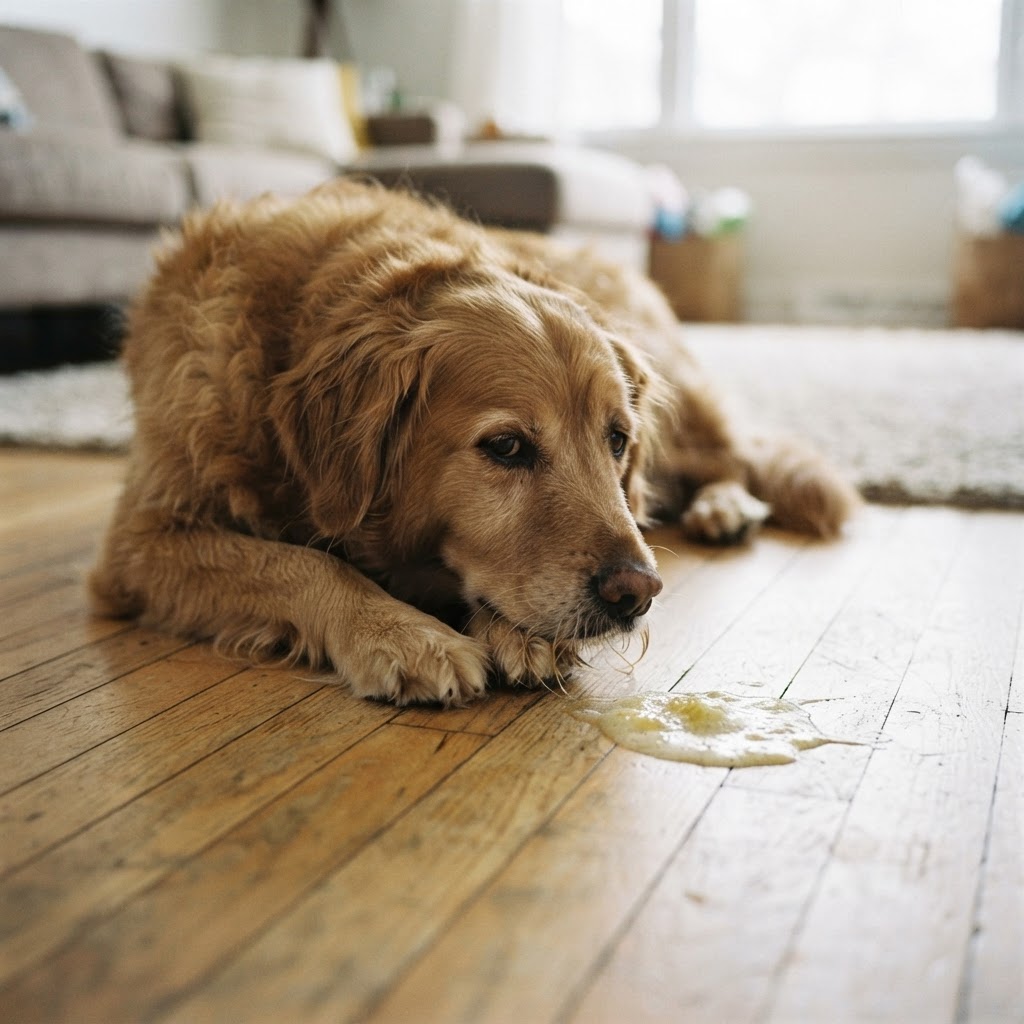
Bottom line: Cooked chicken bones are dangerous because they can splinter, causing internal punctures or intestinal blockages. Even if your dog seems fine, you must monitor them closely for signs of pain or digestive distress.
| Situation | Suggested action |
|---|---|
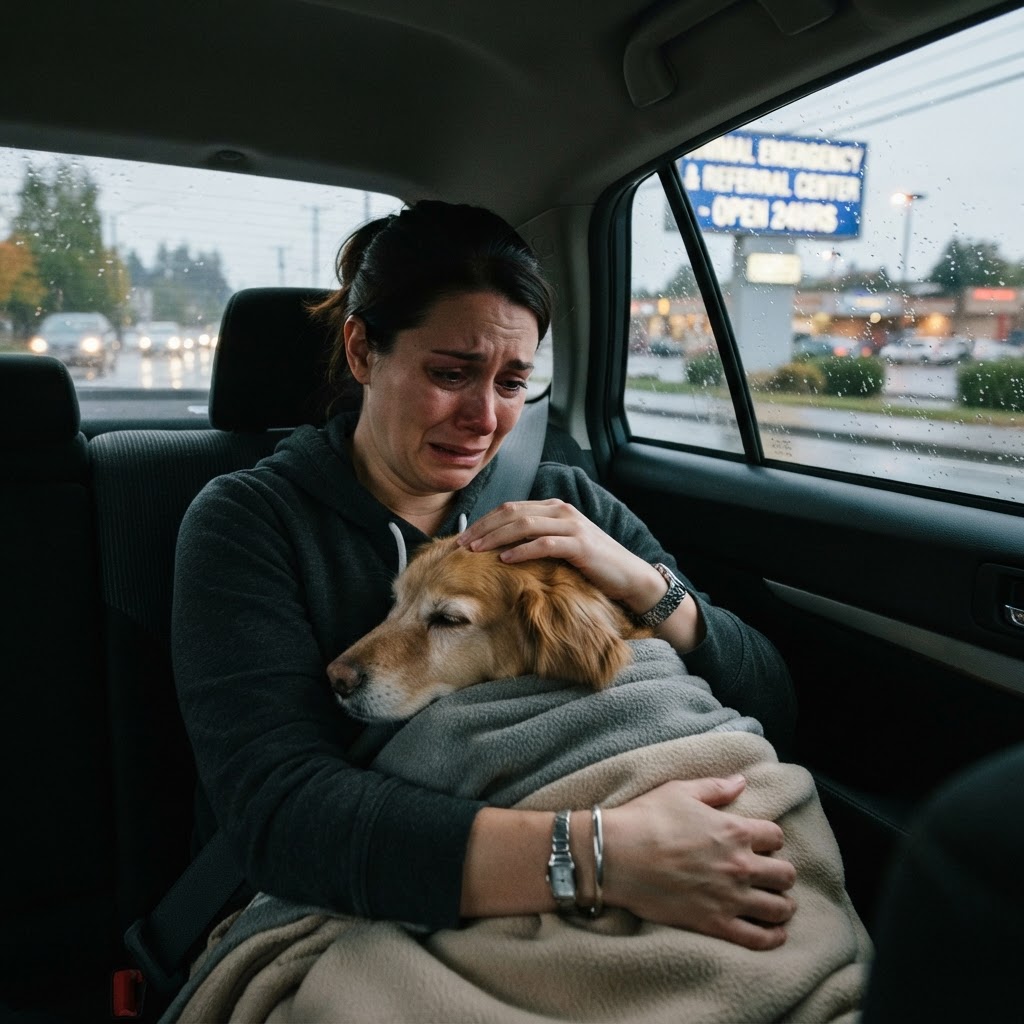
| Vomiting, lethargy, or abdominal pain | Rush to emergency vet |
| Ate bones recently (no symptoms) | Call vet for immediate advice |
| Chewed into tiny pieces | Monitor closely at home |
| Passing bone fragments in stool | Keep monitoring stool texture |
Why Cooked Chicken Bones Are Dangerous
Cooked chicken bones become brittle and splinter easily when chewed. The sharp fragments can lacerate your dog's mouth, throat, oesophagus, stomach, or intestines. They can also cause a life-threatening blockage if they clump together in the digestive tract.
Raw chicken bones are somewhat less likely to splinter, but they still carry risks of bacterial infection and obstruction. Either way, ingestion warrants close monitoring and often veterinary intervention.
When to Rush to the Emergency Vet
Seek immediate veterinary care if you notice any of the following:
- Gagging, choking, or excessive drooling
- Pawing at the mouth or throat
- Difficulty breathing
- Vomiting, especially if it contains blood
- Lethargy or collapse
- A hunched posture suggesting abdominal pain
- Dark or bloody stools
If your dog is choking, gagging, or having difficulty breathing, do not wait. This is a life-threatening emergency - go to the nearest emergency vet immediately.
What to Do If Your Dog Ate Chicken Bones
Step 1: Stay Calm and Assess
If your dog swallowed the bones without choking, you usually have time to act. Note the approximate amount eaten and when it happened.
Step 2: Call Your Vet
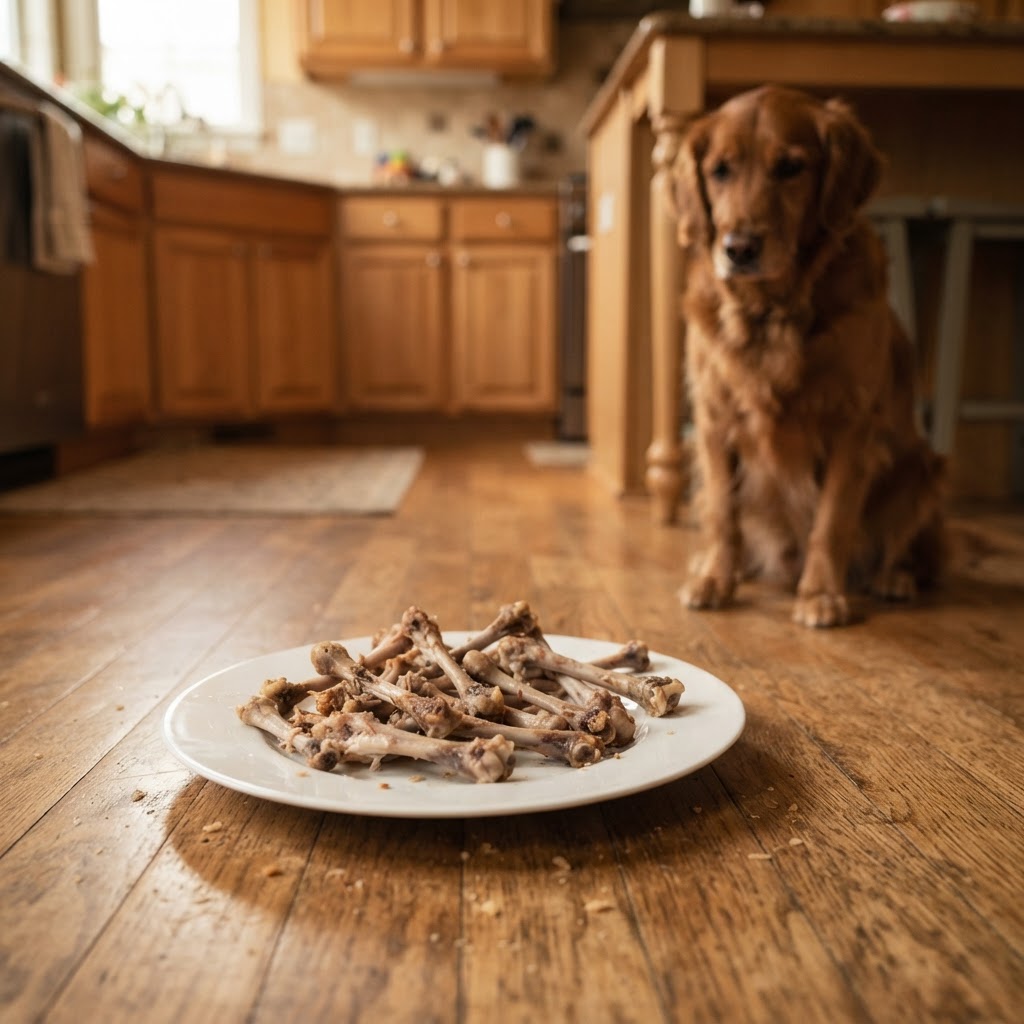
Even if your dog seems fine, call your vet for advice. They may recommend monitoring at home or coming in for an examination and X-rays.
Step 3: Feed a Cushion Meal
Your vet may recommend feeding your dog a small meal of soft food such as plain white rice or bread. This can help cushion the bone fragments as they pass through the digestive tract.
Do not induce vomiting. If the bones have already reached the stomach, bringing them back up could cause more damage on the way out.
Step 4: Monitor Stools for 48-72 Hours
Check your dog's stools for bone fragments over the next 2-3 days. Watch for any signs of distress, particularly lethargy, loss of appetite, abdominal pain, or changes in bowel movements.
Signs of Intestinal Blockage
Sometimes bone fragments clump together and create a blockage. Watch for:
- Repeated vomiting (especially after eating or drinking)
- Constipation or straining without producing stool
- Loss of appetite
- Abdominal swelling or pain
- Lethargy
A blockage is a surgical emergency. If you notice these signs, contact your vet immediately.
Prevention Tips
Keep all cooked bones out of reach, including those in rubbish bins. If you have a dog that scavenges, use a secure bin with a lid. Never give your dog cooked bones as a treat, and be cautious when walking in areas where food waste may be present.
Frequently Asked Questions
Disclaimer: This article is for educational purposes only and is not a substitute for professional veterinary advice. If you're concerned about your pet's health, use our AI triage assessment or consult a licensed veterinarian.