Bottom line: A lethargic, weak bearded dragon, especially with a soft jaw, bent legs, or tremors, often has metabolic bone disease (MBD) from too little calcium, UVB, or vitamin D3. MBD is common, serious, and needs a reptile vet; left untreated it leads to fractures and permanent deformity.
| Situation | Suggested action |
|---|---|
| A bit slow after a big meal or at night, otherwise bright | Monitor |
| Weakness, reluctance to move, or tremors | Vet visit within a few days |
| Soft jaw, bent legs, dragging limbs, or fractures | Same-day / emergency vet |
Why a bearded dragon gets weak
Weakness in a bearded dragon usually comes down to one of two things: a problem with the bones and muscles (most often metabolic bone disease), or a system-wide illness. Because dragons rely on UVB light to make vitamin D3 and use calcium, anything that cuts their UVB, an old bulb, the wrong type, no tube, or a broken heat gradient, directly weakens their skeleton. The result is a dragon that feels fragile, trembly, or unable to hold itself up, and the cause is almost always preventable.
What can cause it
Metabolic bone disease (MBD) is the classic cause: too little UVB, too little calcium, or a diet too high in phosphorus leaves the body pulling calcium out of the bones, which go soft and bend. Poor basking temperature slows digestion and nutrient absorption, compounding the problem. Kidney disease in older dragons can cause secondary calcium problems.
Other causes include dehydration, an infection (respiratory or gut), parasites, impaction, and a cold or stressful environment. A dragon that's simply too cold will be sluggish too, which is why checking temperature comes first.
When to worry, the red flags
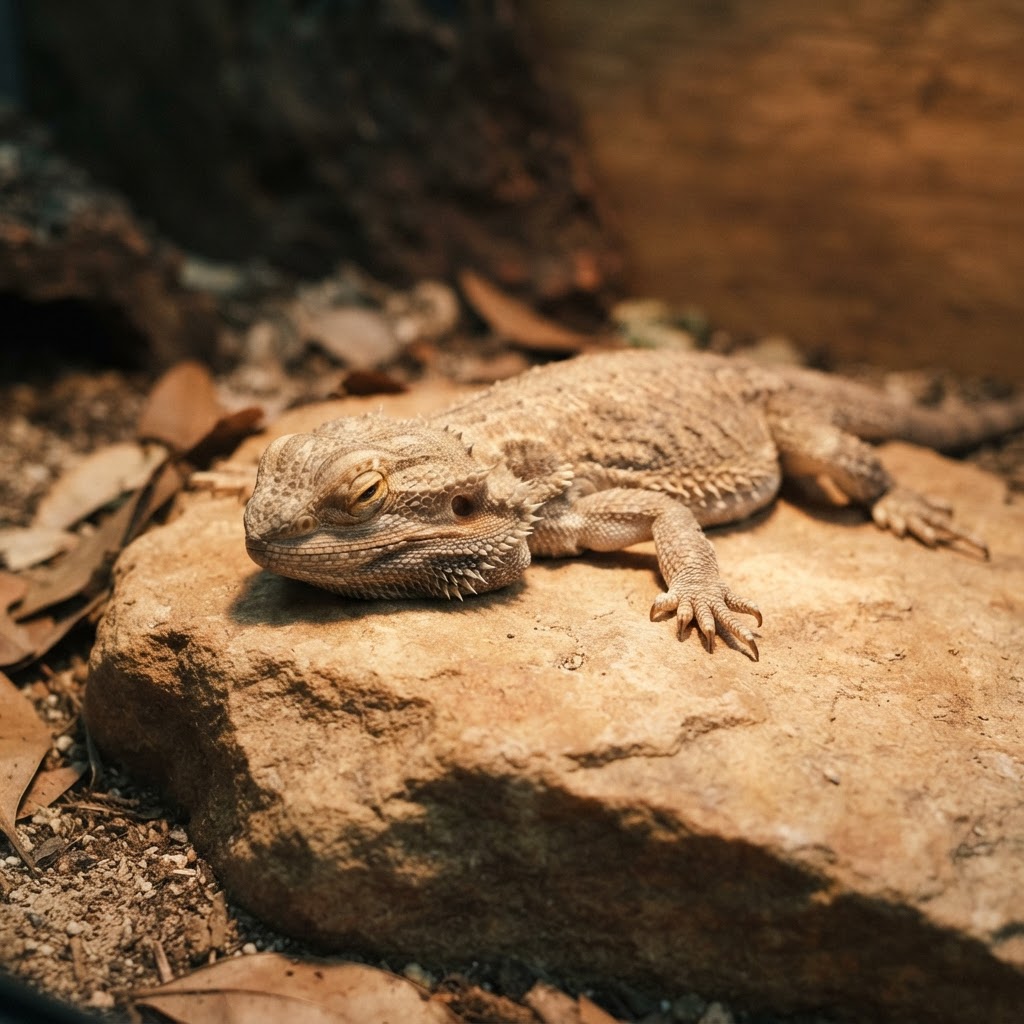
Brief laziness after a big meal or at night is normal. See a reptile vet for:
- Weakness, lethargy, or reluctance to move
- A soft, rubbery jaw or swollen limbs
- Bent legs, tremors, or twitching (especially after handling or feeding)
- Dragging the back legs or unable to lift the body off the floor
- Not eating and losing weight
- A black beard with stress signs
- A tail and hips that look thin
What to do right now
- Check the UVB bulb is working and within its lifespan (tubes usually 6–12 months).
- Confirm the basking temperature (38–42 °C) and a cool side (24–28 °C).
- Stop handling and book a reptile vet the same week, MBD can progress to fractures.
- Don't give large calcium doses blindly; the vet will guide supplementation and may prescribe calcium and vitamin D3.
What NOT to do
- ❌ Don't skip UVB, dragons need it to process calcium.
- ❌ Don't use a weak coil/compact UVB; use a proper tube and replace it on schedule.
- ❌ Don't delay, fractures and deformity can become permanent.
- ❌ Don't handle a weak or tremoring dragon more than needed.
How a reptile vet diagnoses and treats it
MBD is diagnosed from history, exam, and sometimes bloodwork (calcium, phosphorus) and X-rays for fractures or organ calcification. Treatment is prescription calcium and vitamin D3, correction of UVB and diet, supportive care, and fracture management if needed. Early cases improve well; advanced ones can leave lasting deformity.
Preventing weakness and MBD
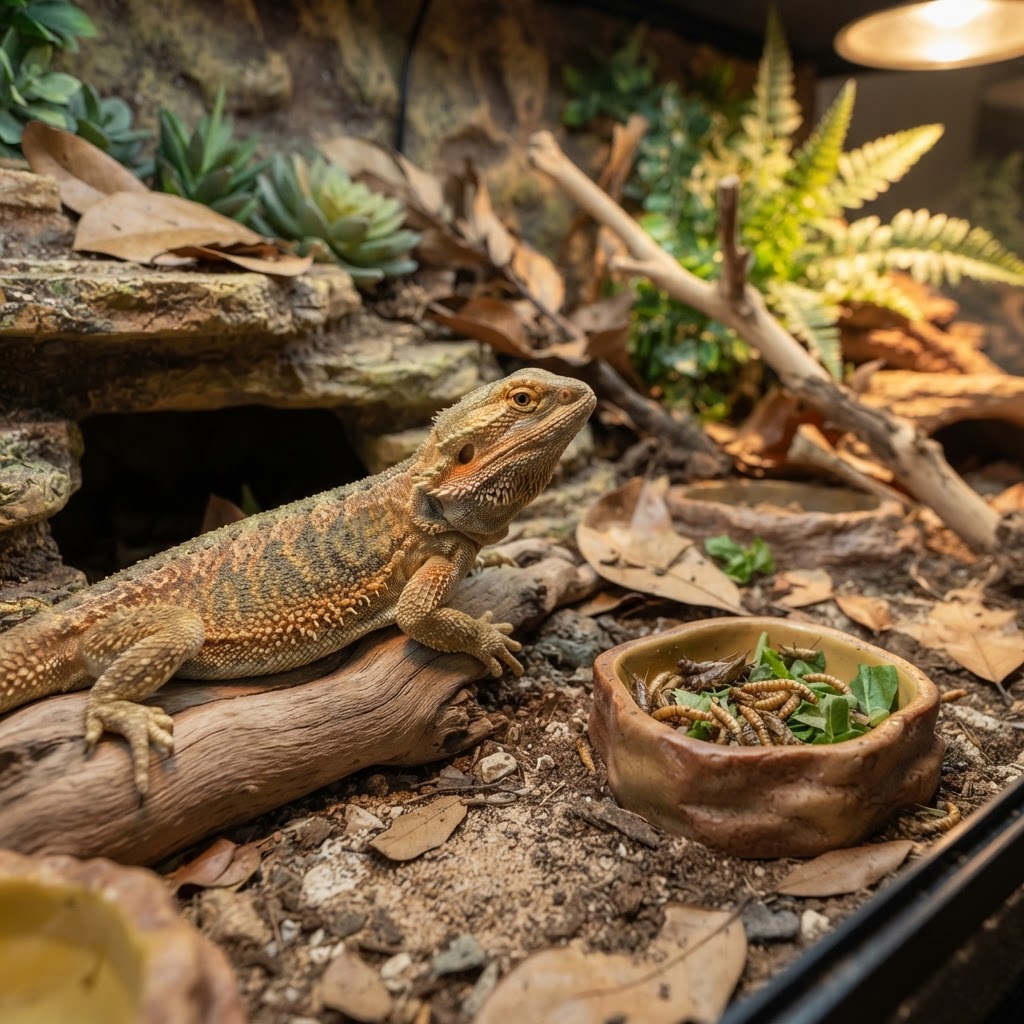
Use a proper UVB tube (10–12% for desert species) and replace it on schedule, dust feeders with calcium at most meals and a multivitamin weekly, feed gut-loaded insects and leafy greens, and verify the basking gradient with thermometers. Correct husbandry prevents nearly all MBD.
When to wait, and when to act now
Brief laziness after a big meal or at night is normal. Weakness, tremors, a soft jaw, or dragging limbs is not, see a reptile vet this week; the same day for tremors, fractures, or a dragon that can't stand.
Run a free AI triage assessment for personalised next steps, or find a reptile vet near you.
Frequently Asked Questions
Disclaimer: This article is for educational purposes only and is not a substitute for professional veterinary advice. If you're concerned about your pet's health, use our AI triage assessment or consult a licensed veterinarian.