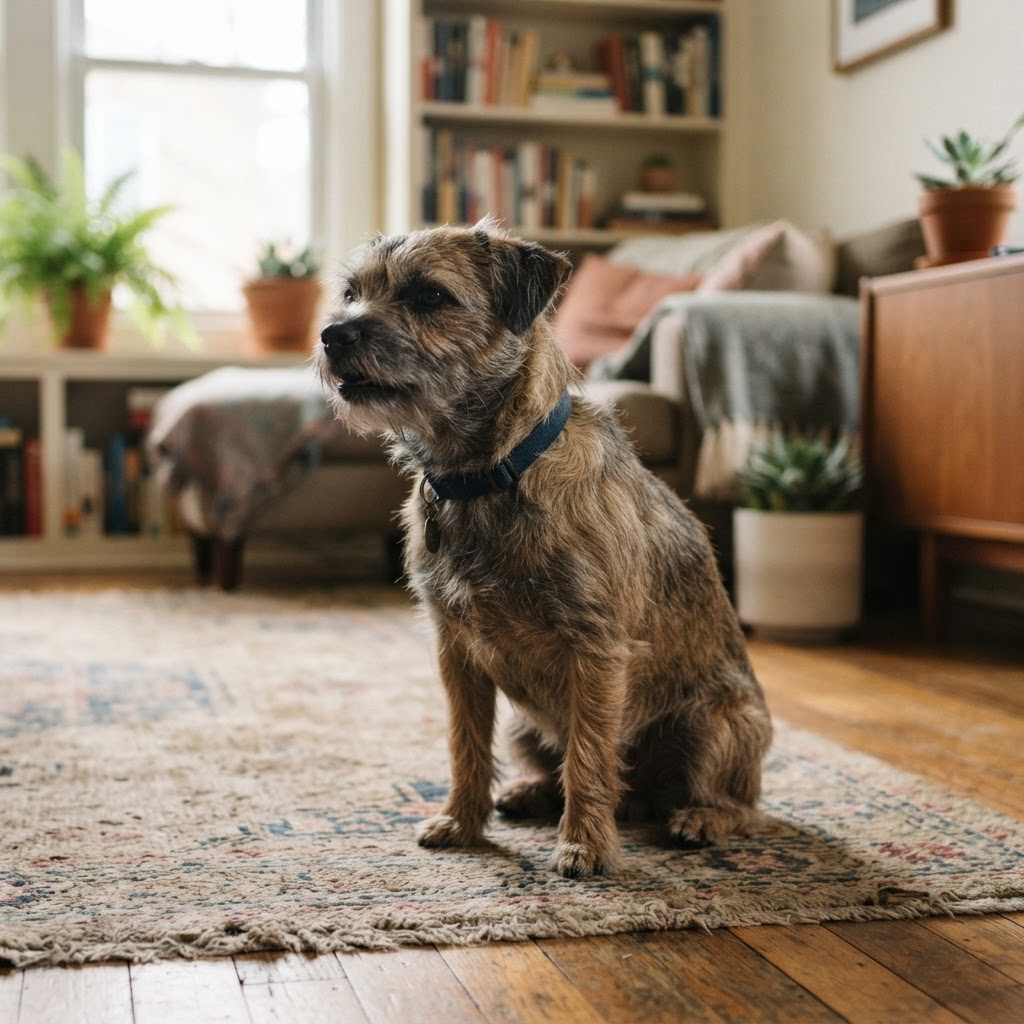
Bottom line: Bad breath in dogs is most commonly a sign of dental disease, though it can also indicate kidney or liver issues. Regular dental care and vet check-ups are essential to identify the root cause.
| Situation | Suggested action |
|---|---|
| Sudden, chemical-smelling breath | Urgent vet visit |
| Red/bleeding gums | Schedule dental check-up |
| Consistent bad breath | Schedule vet visit |
| Minor odor | Start home dental routine |
The #1 Cause: Dental Disease
Periodontal disease is by far the most common cause of bad breath in dogs. By age three, over 80% of dogs show some signs of dental disease.
Here is how it develops:
- Plaque forms: Bacteria in the mouth combine with food particles to form a sticky film on the teeth
- Plaque hardens into tartar: Within 24-48 hours, plaque hardens into tartar (calculus), which cannot be removed by brushing
- Gingivitis develops: Tartar irritates the gums, causing inflammation (gingivitis)
- Periodontal disease: Bacteria penetrate below the gumline, destroying the tissues and bone that support the teeth
As bacteria multiply in an unhealthy mouth, they produce volatile sulphur compounds - the same compounds that make rotten eggs smell. This is what causes the foul odour.
Signs of Dental Disease
- Bad breath
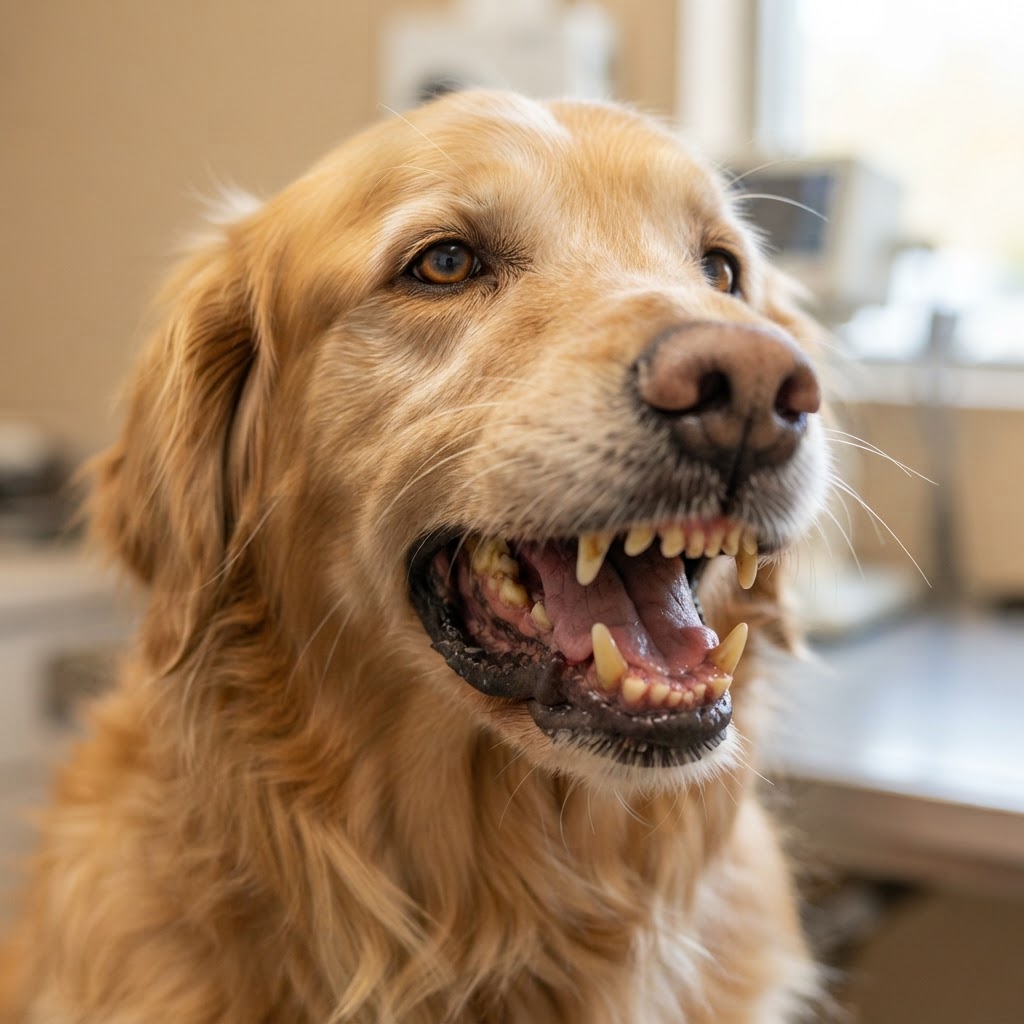
- Yellow or brown tartar buildup on teeth
- Red, swollen, or bleeding gums
- Drooling (sometimes with blood)
- Reluctance to eat or chewing on one side
- Pawing at the mouth
- Loose or missing teeth
- Sneezing or nasal discharge (in advanced cases)
Other Causes of Bad Breath
Dietary Causes
Some dogs are enthusiastic scavengers. If your dog has been eating faeces (coprophagia), rummaging through bins, or licking anal glands, the resulting breath can be extremely unpleasant. This type of bad breath is usually temporary and resolves once the behaviour stops.
Oral Infections and Wounds
- Foreign objects lodged in the mouth (sticks, bones, grass seeds)
- Oral wounds or abscesses
- Oral tumours
- Stomatitis (generalised mouth inflammation)
Diabetes
Dogs with uncontrolled diabetes may have sweet or fruity-smelling breath. This is caused by ketones, acidic compounds produced when the body breaks down fat for energy instead of glucose. If your dog's breath smells like nail polish remover or overripe fruit, this is a medical emergency - seek veterinary care immediately.
Kidney Disease
Dogs with kidney disease may develop breath that smells like ammonia or urine. This occurs because the kidneys are unable to efficiently filter waste products from the blood, and these build up and are excreted through the breath.
Liver Disease
Severe liver disease can cause a distinctive foul breath odour. This is often accompanied by other signs such as vomiting, loss of appetite, jaundice (yellowing of the gums, eyes, or skin), and increased thirst and urination.
Respiratory Infections
Infections of the nasal passages, sinuses, or throat can cause bad breath, especially if there is postnasal drip or discharge.
What You Can Do at Home
Brush Your Dog's Teeth
Daily tooth brushing is the single most effective way to prevent dental disease and bad breath. Use a soft-bristled dog toothbrush and enzymatic dog toothpaste (never human toothpaste).
If your dog is not used to having their teeth brushed, start slowly:
- Let them taste the toothpaste from your finger
- Gently rub their gums with your finger
- Introduce the brush gradually
- Keep sessions short and positive with lots of praise
Provide Dental Chews and Toys
Veterinary-approved dental chews and toys can help reduce plaque buildup between brushings. Look for products with the Veterinary Oral Health Council (VOHC) seal, which indicates they have been scientifically proven to reduce plaque and tartar.
Use Dental-Friendly Diets
Some dog foods are specifically formulated to promote dental health. These kibbles are designed with a special texture and size that helps clean teeth as the dog chews.
Offer Fresh Water
A dry mouth allows bacteria to multiply. Ensure your dog always has access to fresh, clean water.
Regular Mouth Checks
Get in the habit of lifting your dog's lips and checking their teeth and gums weekly. Look for tartar buildup, red gums, broken teeth, or anything unusual.
When to See the Vet
Schedule a veterinary examination if your dog has:
- Bad breath that persists despite home dental care
- Visible tartar buildup or red gums
- Pain when eating or reluctance to eat
- Broken or loose teeth
- Bleeding from the mouth
- Any other symptoms alongside bad breath (increased thirst, vomiting, weight loss, lethargy)
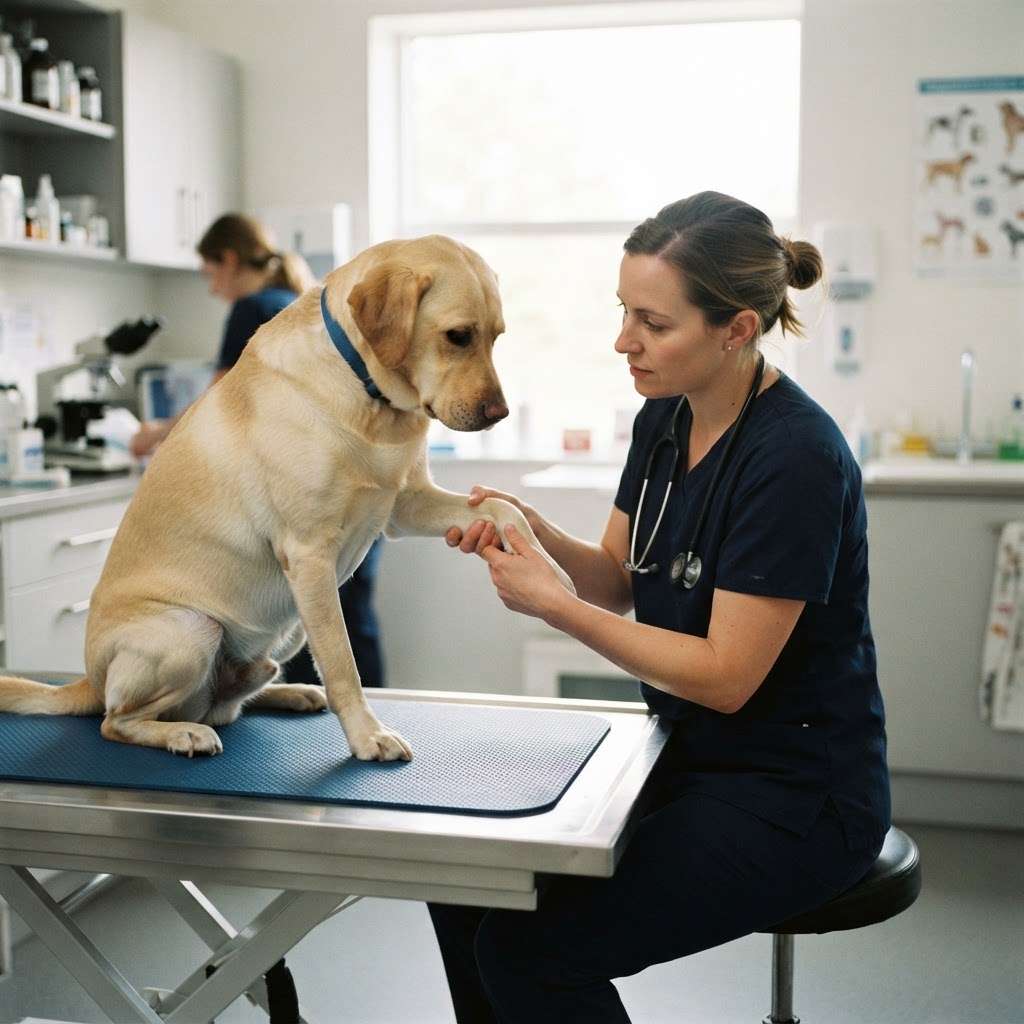
Your vet will determine whether your dog needs a professional dental cleaning (performed under general anaesthesia), treatment for an underlying medical condition, or both.
If your dog seems unwell or you are unsure how urgent the situation is, use our AI triage tool for a personalised assessment, or find a vet near you using your postcode.
The Bottom Line
Bad breath in dogs is not normal and should not be ignored. In the vast majority of cases, it points to dental disease that can be treated and managed with professional care and consistent home maintenance. In rarer cases, it can signal serious systemic illness. Either way, a vet visit is the best first step to freshening your dog's breath and protecting their overall health.
Frequently Asked Questions
Disclaimer: This article is for educational purposes only and is not a substitute for professional veterinary advice. If you're concerned about your pet's health, use our AI triage assessment or consult a licensed veterinarian.