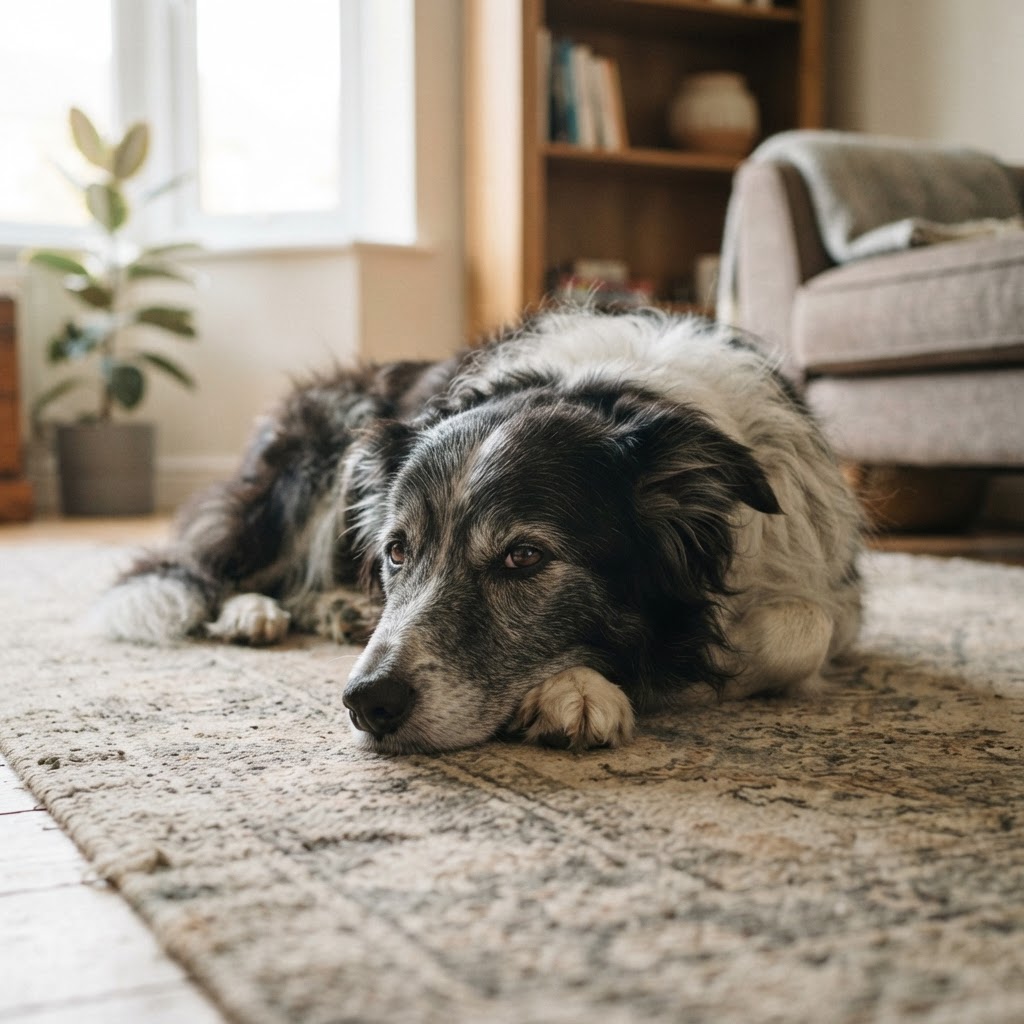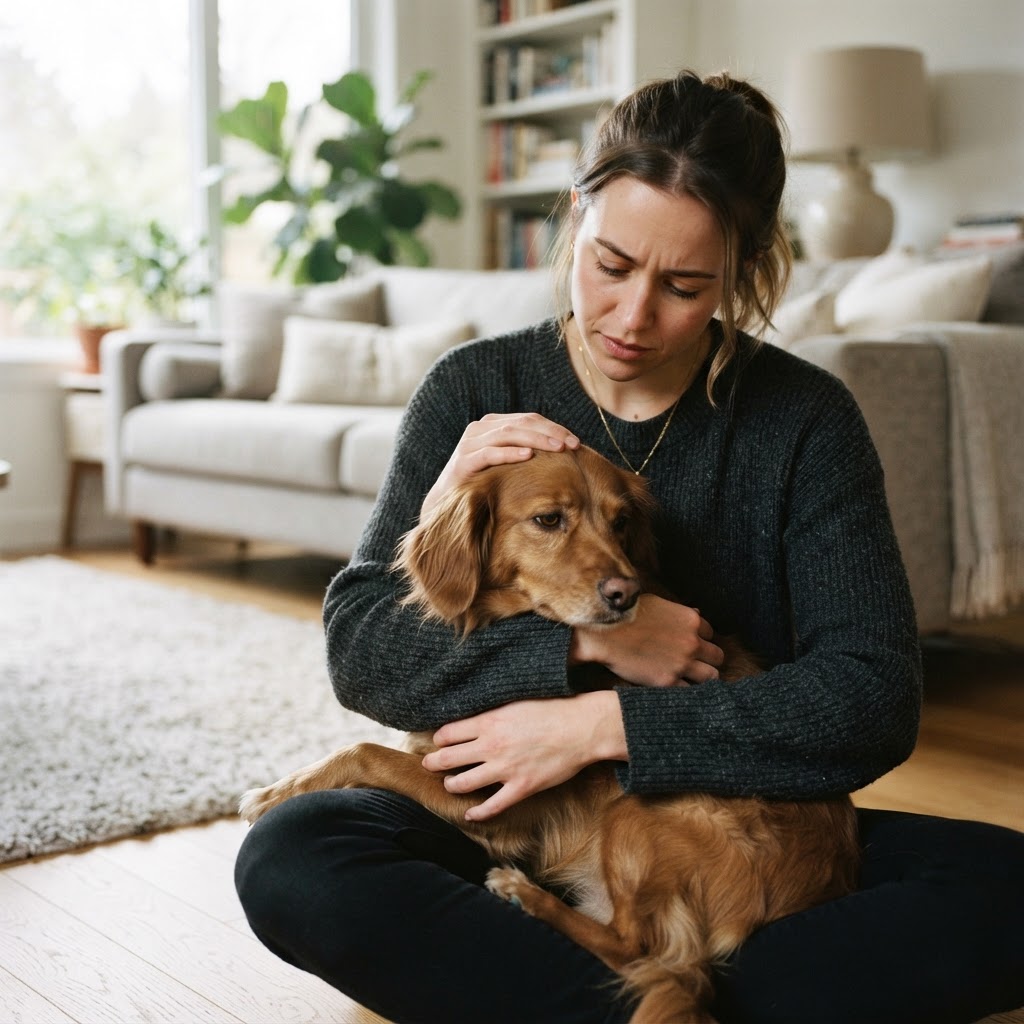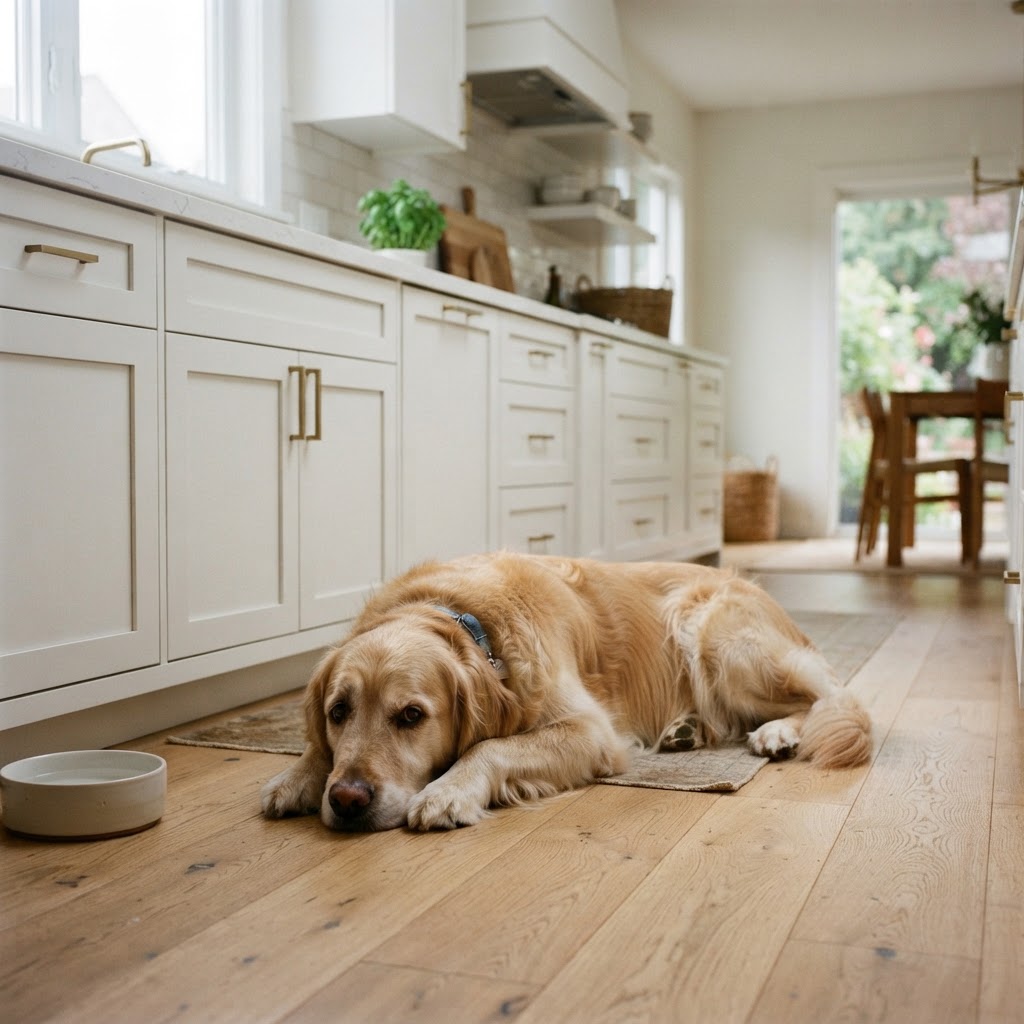
Bottom line: A dog that hasn't eaten for 24 hours, or that stops eating alongside vomiting, lethargy, pain, or pale gums, needs prompt veterinary attention. A single missed meal is usually harmless, but appetite is one of the most sensitive indicators of how a dog is feeling, and persistent loss of it almost always means something is wrong.
| Situation | Suggested action |
|---|---|
| Skipped one or two meals, otherwise bright | Monitor at home for 24 hours |
| Not eating for 24+ hours | Vet visit within a day |
| Not eating + vomiting, diarrhoea, or lethargy | Same-day vet visit |
| Not eating + pale gums, bloated belly, collapse, or pain | Emergency vet now |
Why a dog stops eating
In veterinary medicine, "inappetence" means a reduced appetite and "anorexia" means refusing food entirely. The distinction matters because dogs are, as a rule, far less fussy than cats, a healthy dog will rarely skip meals for no reason. When a dog goes off their food, it's usually either because they feel unwell, they're in pain, or something in their environment has changed.
It's worth separating a dog who is choosy (holding out for chicken while ignoring their kibble) from one who refuses even favourite treats. The latter is a much stronger signal that something is wrong.
What can cause it
Causes range from completely harmless to life-threatening. Mild and common reasons include a recent change of food, mild tummy upset, hot weather, the stress of a house move or a new pet, or feeling off-colour for a day after vaccination.
More serious reasons include dental disease (a cracked tooth, gum infection, or oral mass makes chewing painful), pain from arthritis or an injury, infections anywhere in the body, and gut problems such as gastroenteritis, pancreatitis, or a swallowed foreign body. Systemic diseases, kidney failure, liver disease, diabetes, or Addison's disease, frequently show up first as loss of appetite. In older unspayed females, a closed pyometra (a womb infection) can present as quiet, off-food, and drinking more, and it is a genuine emergency. Toxins, certain medications, and some cancers can do the same.
When to worry, the red flags
A dog who is merely holding out for better food but is otherwise bright, drinking, and playful can be watched at home for a day. The following signs, however, change the picture entirely and mean a vet visit is needed:
- Vomiting or diarrhoea alongside not eating, the gut is actively unhappy
- Lethargy, weakness, or collapse, the dog is systemically unwell
- Pain, a hunched posture, panting at rest, or crying when touched or picked up
- Pale, white, or yellow gums, anaemia, shock, or liver disease
- A swollen, tight, or painful abdomen, bloat/GDV is an emergency that can kill within hours
- Straining to pass stool or passing none, possible blockage
- Excessive drinking and urinating, kidney disease, diabetes, or pyometra
- Known access to a toxin or a swallowed object, don't wait for signs to develop
What to do right now
- Take stock. Is your dog bright and interested, or quiet and withdrawn? Offer a favourite, bland treat, a little plain boiled chicken, for example.
- Check the gums. They should be pink and return to colour quickly when pressed. Pale, white, or yellow gums mean a vet today.
- Check the belly. It should be soft. A tight, drum-like, or painful abdomen is an emergency.
- Offer water and keep it available; dehydration compounds the problem.
- Don't force food. If the gut is upset, forcing a meal can trigger vomiting.
- Call your vet. If it's been more than 24 hours, or any red flag is present, book a visit. If you suspect a toxin or a swallowed object, call immediately, don't wait.
What NOT to do
- ❌ Don't force-feed a nauseous dog; you risk vomiting and aspiration.
- ❌ Don't reach for human medications, ibuprofen, paracetamol, and other people meds can be toxic to dogs.
- ❌ Don't try to "tempt" with fatty table scraps, rich foods can trigger pancreatitis.
- ❌ Don't wait "just one more day" if red flags are present; several of the causes above worsen quickly.
How a vet diagnoses and treats it
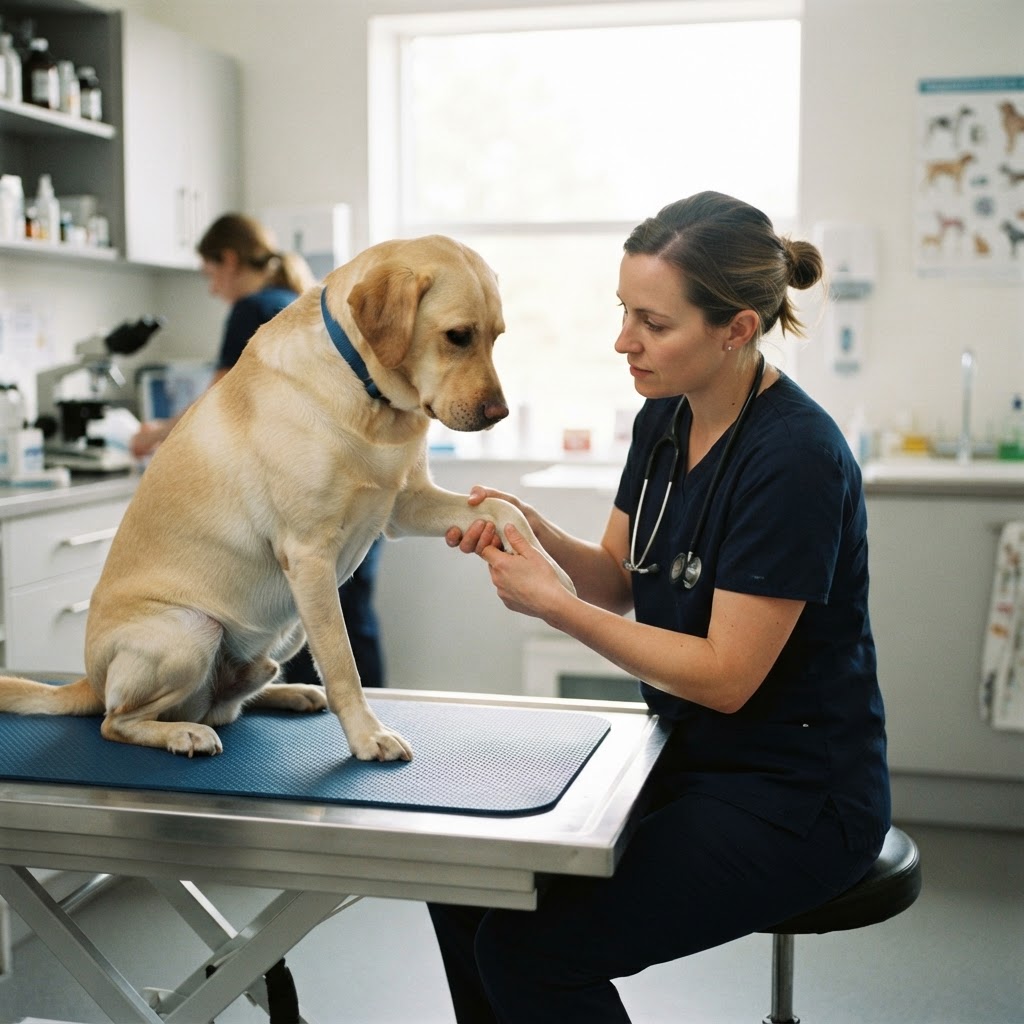
Your vet will examine your dog and look for pain, dehydration, fever, and abdominal problems. Bloodwork checks the organs, and X-rays or ultrasound look for a blockage, masses, or enlarged organs. Treatment is aimed at the cause: fluids for dehydration, anti-sickness medication, dental treatment, antibiotics, or surgery for a foreign body. Most dogs improve quickly once the underlying problem is addressed.
Preventing appetite problems
Feed a consistent, complete diet on a routine schedule so you notice changes early. Keep up regular dental care, dental disease is one of the most overlooked causes of not eating in older dogs. Dog-proof the home against toxins and swallowable objects, and keep up annual vet check-ups, especially as your dog ages.
When to wait, and when to act now
A bright, playful dog skipping one meal, especially on a hot day or after a change, can safely be watched for 24 hours. A dog not eating for more than a day, or with any red flag above, needs a vet, and pale gums, a swollen belly, or collapse mean an emergency vet right now.
Run a free AI triage assessment for personalised next steps, or find an emergency vet near you.
Frequently Asked Questions
Disclaimer: This article is for educational purposes only and is not a substitute for professional veterinary advice. If you're concerned about your pet's health, use our AI triage assessment or consult a licensed veterinarian.