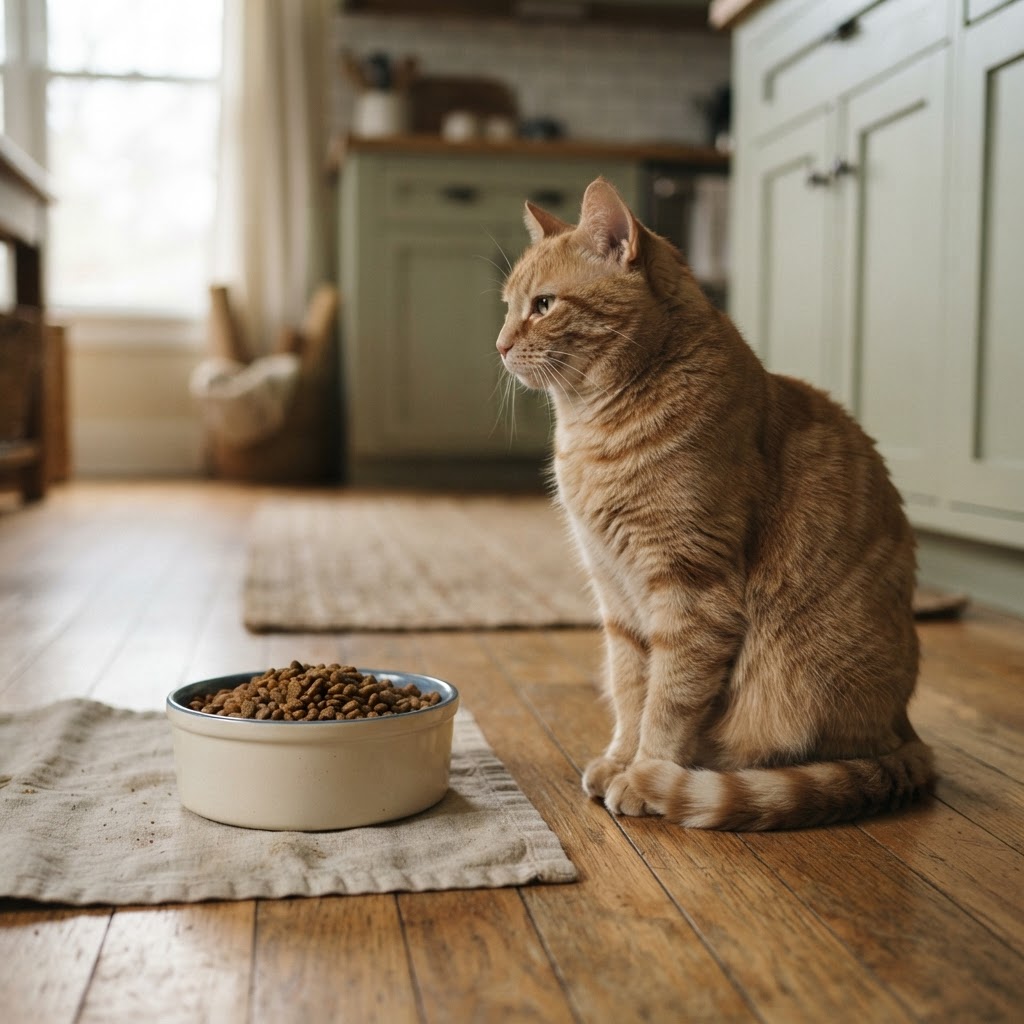
Bottom line: Cats are far less fussy than owners think, and a cat that hasn't eaten for 24 hours, or that stops eating alongside vomiting, lethargy, or hiding, needs a vet. Unlike dogs, fasting cats can quickly develop a serious liver condition, so a cat off food is a more urgent problem than many people realise.
| Situation | Suggested action |
|---|---|
| Skipping one meal, otherwise bright | Offer favourite food, monitor 24 hours |
| Not eating for 24+ hours | Vet visit within a day |
| Not eating + vomiting, lethargy, or hiding | Same-day vet visit |
| Not eating with yellow gums, collapse, or a painful belly | Emergency vet now |
Why a cat stops eating
Cats are selective eaters, but a healthy cat rarely skips meals for no reason. "Inappetence" (reduced appetite) and "anorexia" (refusing food entirely) are among the most common, and most important, reasons cats are brought to the vet. The catch is that cats hide illness exceptionally well: a cat who simply seems "off" may already be quite unwell. Appetite is one of the first things to go when a cat is in pain, feels sick, or has an organ problem.
What can cause it
Mild and common reasons include a recent food change, stress (a new pet, a house move, visitors), a mild tummy upset, or feeling off-colour after vaccination. Pain is a major and often missed cause, dental disease is extremely common in cats, and a bad tooth or sore mouth makes eating hurt.
More serious causes include kidney disease (a leading cause of reduced appetite in older cats), liver disease, pancreatitis, gut inflammation (IBD), infections, a urinary blockage (especially in male cats, a true emergency), and poisoning. Cats with a blocked bladder will often stop eating, hide, and strain in the litter tray. In any cat, especially overweight ones, stopping eating can itself trigger hepatic lipidosis (fatty liver), a life-threatening liver condition.
When to worry, the red flags
A bright cat who skips one meal can be watched and tempted for a short while. See a vet for:
- Not eating for more than 24 hours, fatty liver risk rises quickly
- Vomiting or diarrhoea alongside not eating
- Lethargy, weakness, or hiding, the cat is systemically unwell
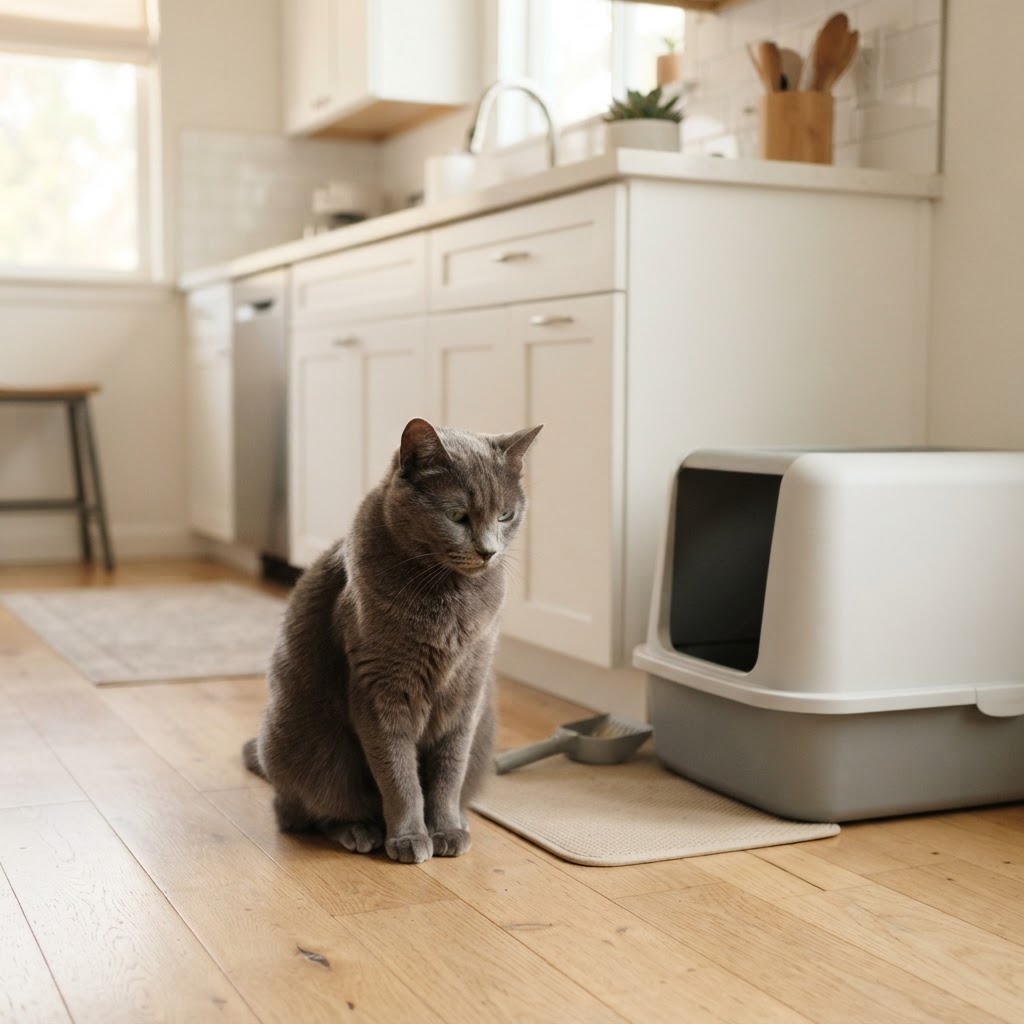
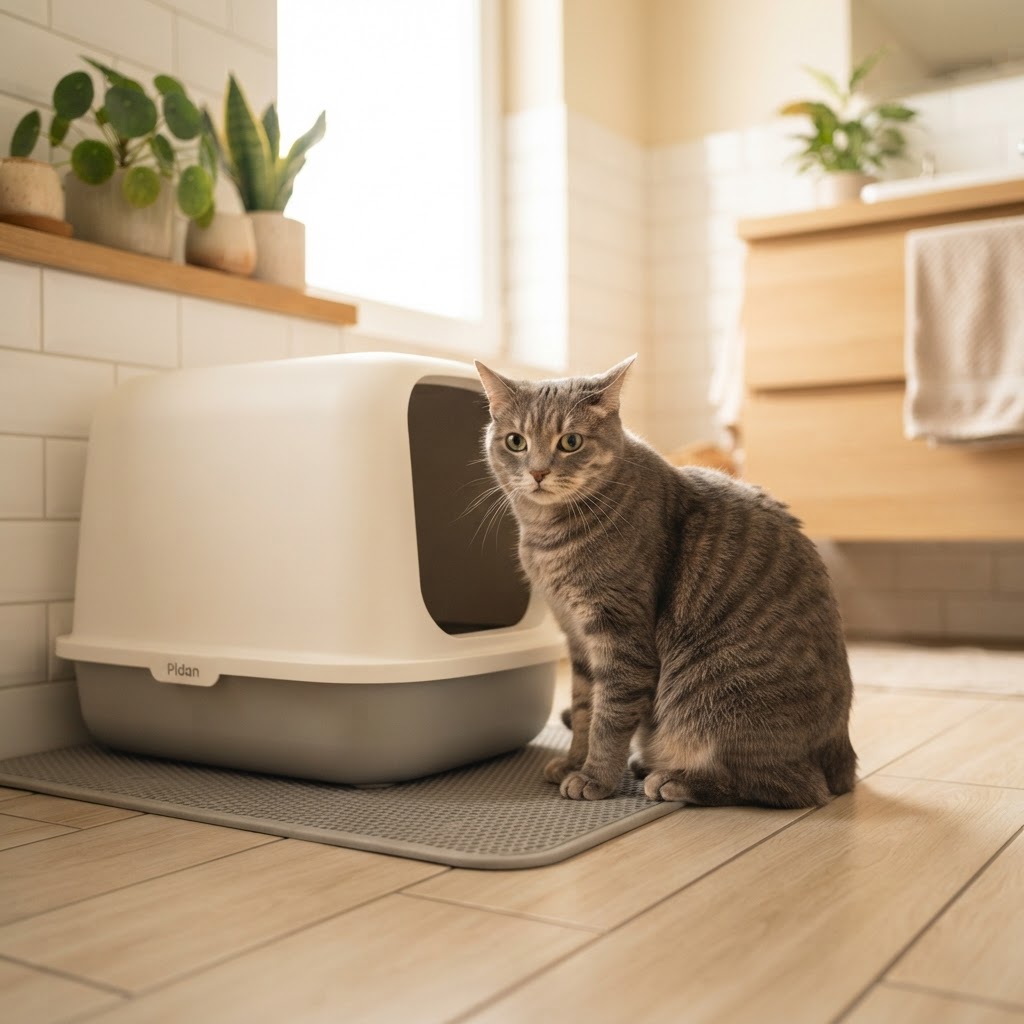
- Straining in the litter tray with little or no urine, especially in a male cat, a blocked bladder is an emergency
- Yellow gums or eyes (jaundice), liver disease
- Pale gums, anaemia or shock
- A painful belly, or crying when touched
- Bad breath, drooling, or pawing at the mouth, dental disease or oral pain
- Increased drinking and urinating, kidney disease or diabetes
- Known access to a toxin, especially lilies, lilies are deadly to cats
What to do right now
- Offer a favourite, strong-smelling food, warm wet food, tuna water, or a small amount of plain chicken.
- Check the water bowl and litter tray; reduced or absent urine, especially in a male cat, is an emergency.
- Check the gums, pink is normal; pale, white, or yellow means a vet today.
- Look in the mouth if your cat allows, red gums, tartar, or drooling point to dental pain.
- Reduce stress, offer food in a quiet spot, away from other pets.
- Call your vet if it's been more than 24 hours or any red flag is present; don't "wait and see" with a fasting cat.
A cat-specific danger: fatty liver
In a cat that stops eating, fat is mobilised faster than the liver can handle, the liver swells and fails, and jaundice and collapse follow. This can happen within days. It's why a cat off food is genuinely urgent, and why vets often hospitalise fasting cats for assisted feeding while the underlying cause is treated.
What NOT to do
- ❌ Don't give human medications, many are toxic to cats.
- ❌ Don't force-feed a nauseous or painful cat.
- ❌ Don't assume "she'll eat when she's hungry", cats can develop fatty liver and never start eating again on their own.
- ❌ Don't wait with a male cat straining, yellow gums, or collapse, these are emergencies.
How a vet diagnoses and treats it
Your vet will examine your cat, check the mouth, palpate the bladder and belly, and may run bloodwork (kidney, liver, thyroid) and sometimes imaging. Treatment is aimed at the cause, dental treatment, fluids, anti-sickness medication, a urinary catheter for a blockage, or assisted feeding for fatty liver. Most cats improve well once the underlying problem is found, but the sooner the better.
Preventing appetite problems
Feed a consistent, complete diet, keep up dental care (cats have dental disease far more than owners realise), and never let a cat go more than a day without eating. Annual check-ups with bloodwork in older cats catch kidney and thyroid disease before they cause a crisis.
When to wait, and when to act now
A bright cat skipping one meal can be tempted and watched briefly. Not eating for more than a day, or with any red flag, needs a vet, and a male cat straining, yellow gums, collapse, or a painful belly mean an emergency right now.
Run a free AI triage assessment for personalised next steps, or find an emergency vet near you.
Frequently Asked Questions
Disclaimer: This article is for educational purposes only and is not a substitute for professional veterinary advice. If you're concerned about your pet's health, use our AI triage assessment or consult a licensed veterinarian.