Bottom line: Reverse sneezing is typically a harmless, short-lived spasm caused by irritation in the throat or nasal passages. It is usually not an emergency, but frequent episodes or signs of distress warrant a check-up.
| Situation | Suggested action |
|---|---|
| Struggling to breathe/cyanotic gums | Emergency vet visit |
| Frequent episodes increasing in frequency | Schedule non-urgent vet visit |
| Brief episode, returns to normal | Observe behavior |
| Occasional sound, happy/healthy | No action needed |
What Is Reverse Sneezing?
Reverse sneezing (medically known as paroxysmal respiration) is a common and usually harmless condition in dogs. During a reverse sneezing episode, your dog rapidly and forcefully inhales air through their nose, producing a distinctive snorting, honking, or gagging sound that can be alarming if you have never heard it before.
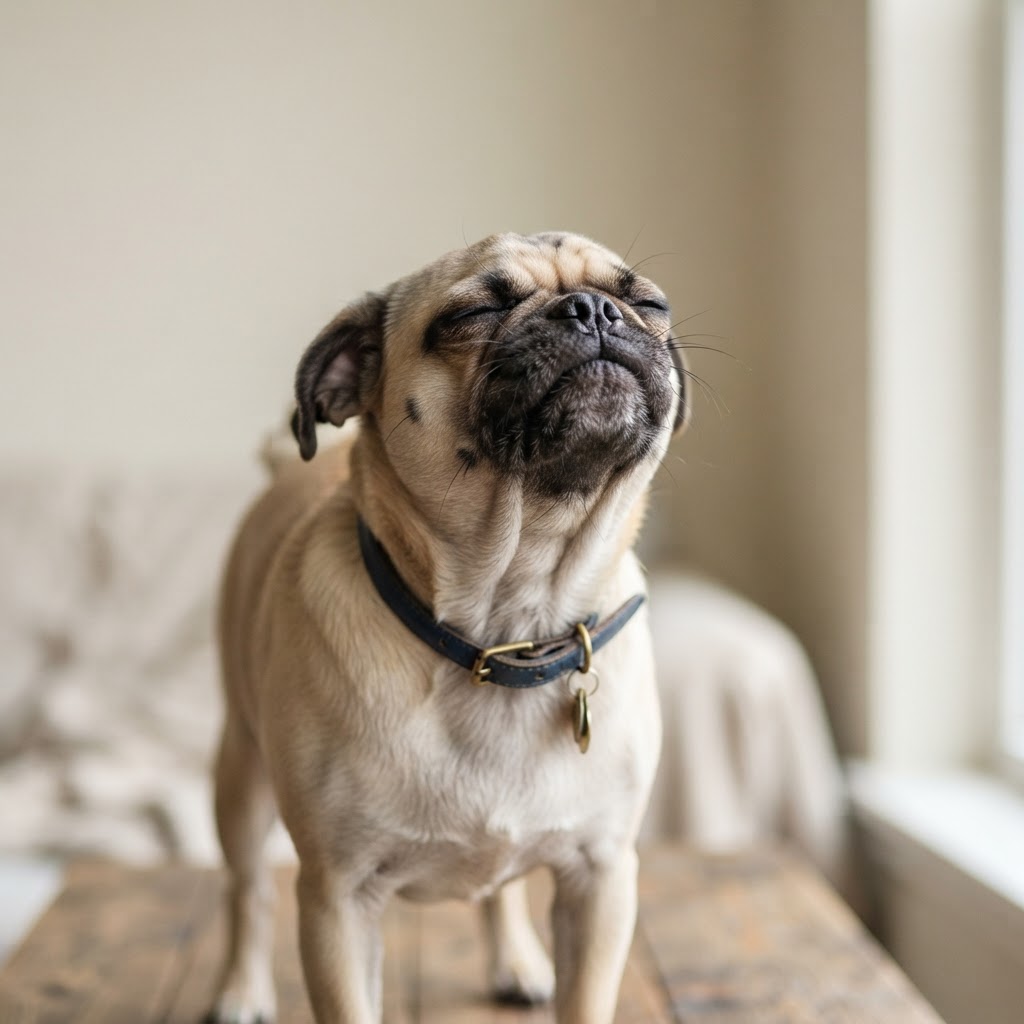
Unlike a normal sneeze, which forcefully expels air outward, a reverse sneeze pulls air inward. The dog typically stands still, extends their neck, and may make loud snorting sounds for 10 to 30 seconds before the episode resolves on its own.
What Causes Reverse Sneezing?
Reverse sneezing occurs when the soft palate at the back of the throat becomes irritated, causing a spasm. Common triggers include:
- Irritants: Dust, pollen, household cleaners, perfumes, or smoke
- Allergies: Seasonal or environmental allergies that irritate the nasal passages
- Excitement or pulling on the leash: Tension on the throat can trigger an episode
- Rapid eating or drinking: Can irritate the back of the throat
- Temperature changes: Sudden shifts from warm indoor air to cold outdoor air
- Nasal mites: Small parasites in the nasal passages (less common)
- Foreign bodies: Grass seeds or other debris in the nose
How to Help During an Episode
While reverse sneezing episodes are not dangerous, they can be distressing for both you and your dog. Here are some techniques that can help shorten the episode:
1. Stay Calm
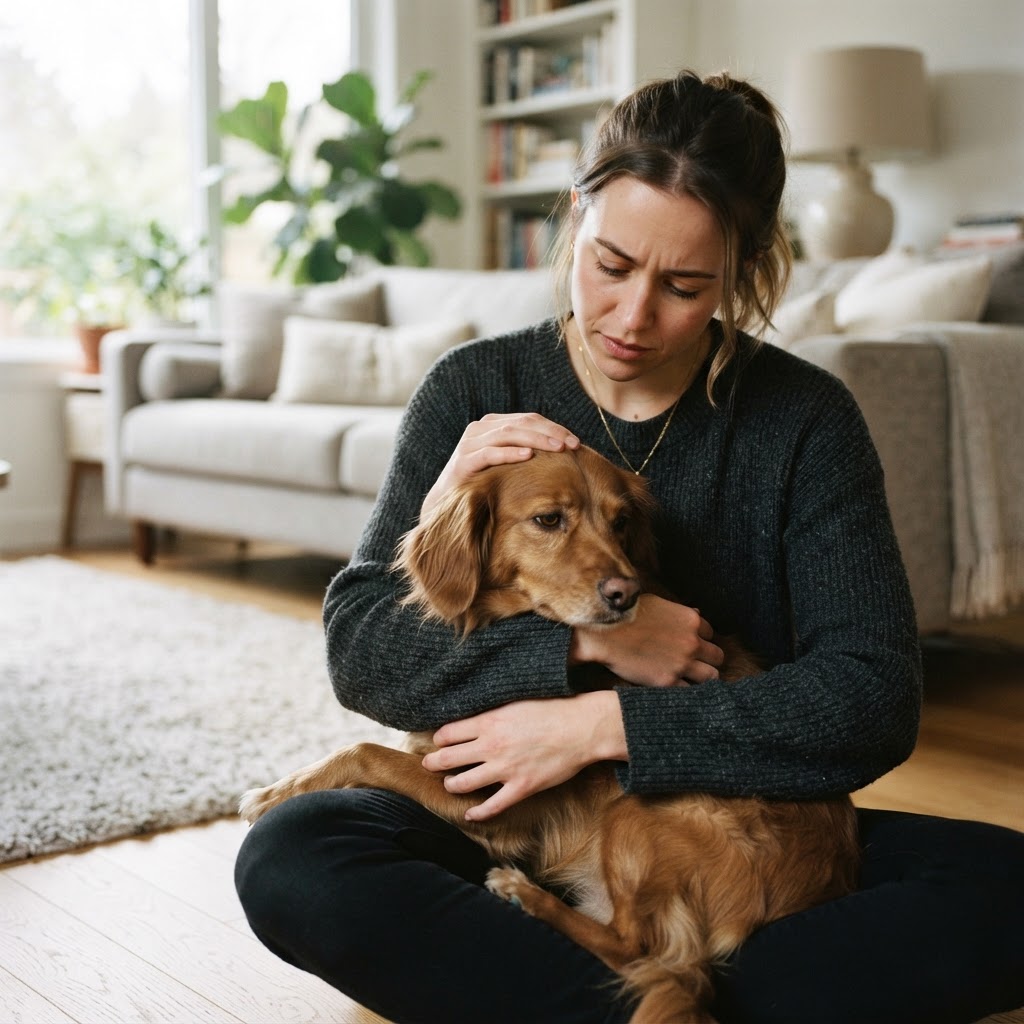
Your dog may become anxious during an episode, and your calm presence can help. Speak soothingly and avoid panicking.
2. Gently Massage the Throat
Lightly massaging your dog's throat in a downward motion can help relax the muscles of the soft palate and stop the spasm.
3. Briefly Cover the Nostrils
Gently pinching your dog's nostrils closed for 2-3 seconds forces them to swallow, which can help reset the soft palate and stop the spasm. Do not hold the nostrils closed for more than a few seconds.
4. Press on the Tongue
Gently pressing down on the tongue with your finger can trigger a swallowing reflex that may interrupt the episode.
5. Take Them Outside
If the episode was triggered by an indoor irritant, taking your dog to fresh air can help.
When Reverse Sneezing Is More Than Just Irritation
In most cases, reverse sneezing is harmless and does not require veterinary treatment. However, you should consult your vet if:
- Episodes become very frequent or last longer than a minute
- Your dog also has nasal discharge, particularly if it is yellow, green, or bloody
- Your dog has a persistent cough alongside the reverse sneezing
- Episodes occur alongside other signs of illness such as lethargy, loss of appetite, or fever
- Your dog is a brachycephalic (flat-faced) breed like a Pug, French Bulldog, or Boston Terrier, as they may have additional respiratory concerns
If your dog is a flat-faced breed and experiences frequent reverse sneezing, snoring, or exercise intolerance, discuss this with your vet. These can be signs of brachycephalic airway syndrome, which may require management.
Reverse Sneezing vs. Other Respiratory Issues
Reverse sneezing can sometimes be confused with other conditions:
- Kennel cough: Produces a distinctive honking cough that sounds similar but is accompanied by gagging and retching, often producing white foam. Kennel cough is contagious and may require treatment.
- Collapsing trachea: More common in small breeds, this produces a goose-honk cough that occurs with excitement or pressure on the neck.
- Asthma or respiratory distress: Causes laboured breathing, wheezing, and open-mouth breathing. This is more common in cats and requires urgent care.
If you are unsure whether your dog is reverse sneezing or experiencing a different respiratory issue, record a video of the episode and show it to your vet.
Prevention
While you cannot always prevent reverse sneezing, you can reduce the frequency of episodes by minimising your dog's exposure to known irritants. Avoid using strong perfumes or air fresheners around your dog, use dust-free bedding, keep up with allergy management if your dog has seasonal allergies, and use a harness instead of a collar to reduce pressure on the throat during walks.
Frequently Asked Questions
Disclaimer: This article is for educational purposes only and is not a substitute for professional veterinary advice. If you're concerned about your pet's health, use our AI triage assessment or consult a licensed veterinarian.