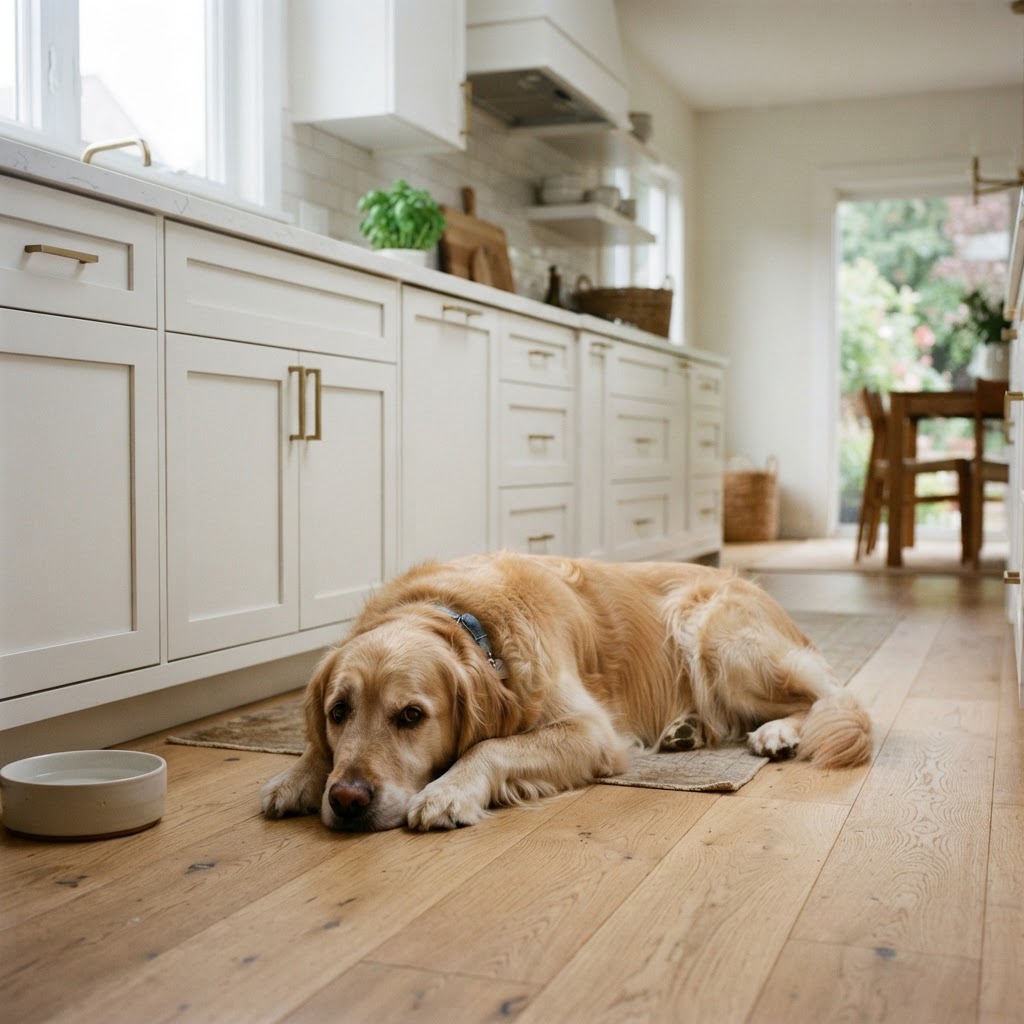
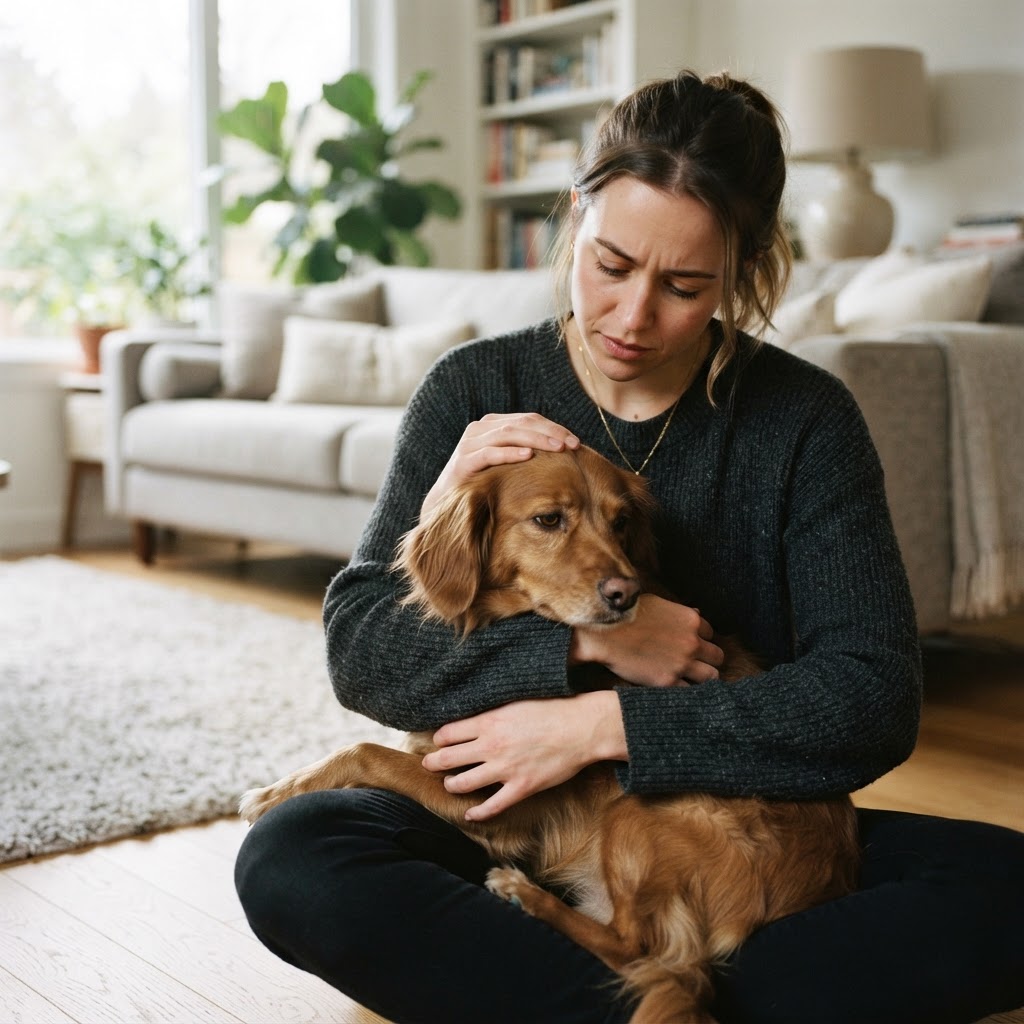
Bottom line: Vomiting yellow bile usually indicates an empty stomach and is generally not an emergency if your dog is otherwise acting normal. If it happens frequently, consult your vet about meal timing.
| Situation | Suggested action |
|---|---|
| Bile with blood or lethargy | Same-day vet appointment |
| Frequent daily vomiting | Schedule vet exam |
| Once-off bile vomit | Monitor feeding schedule |
| Happy dog, normal appetite | No action needed |
The Yellow Puddle on the Kitchen Floor
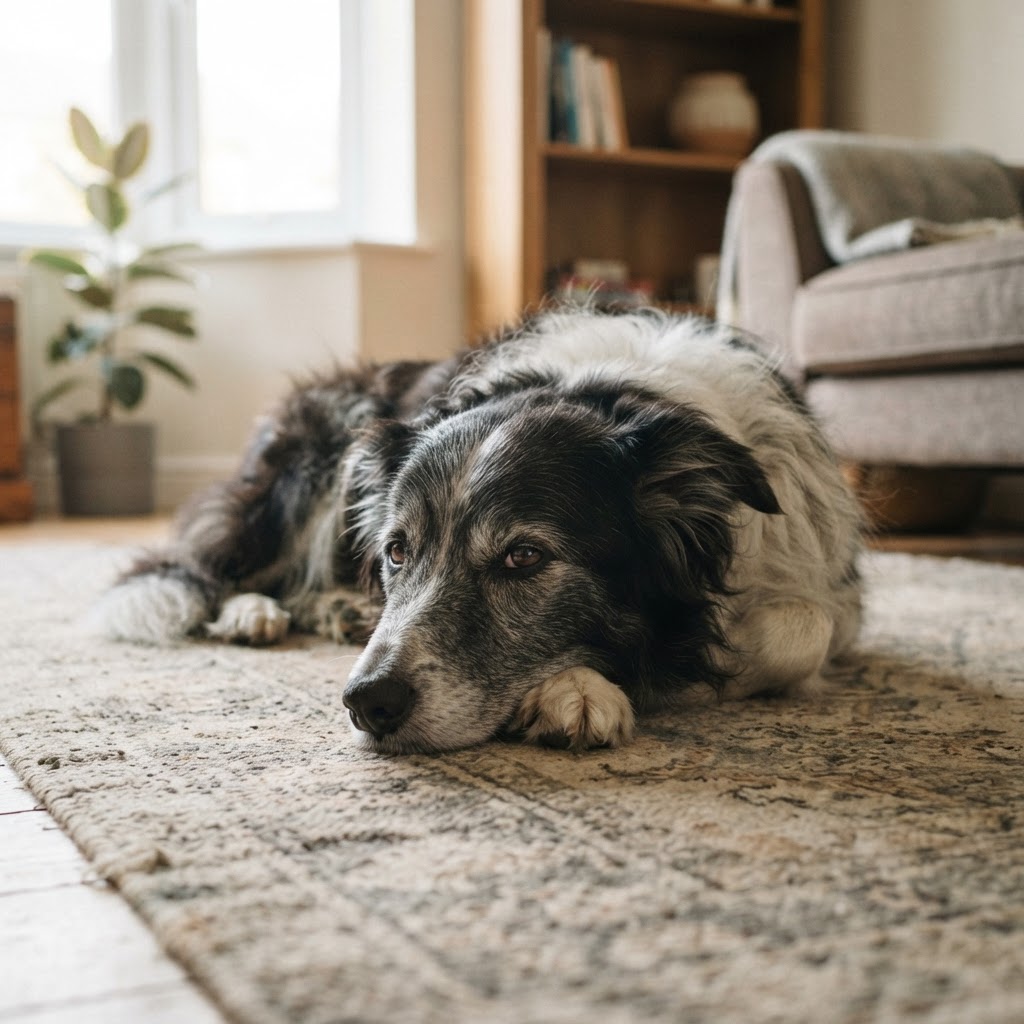
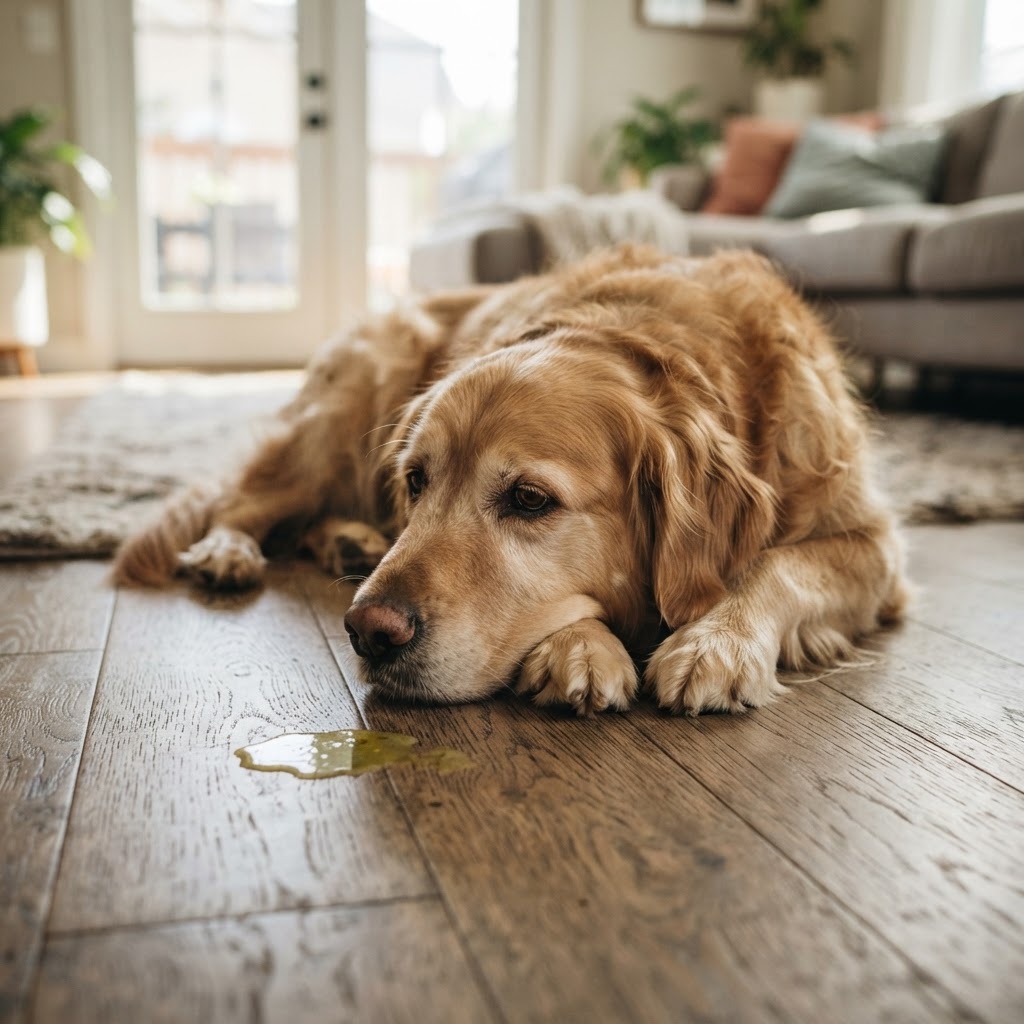
You wake up, walk into the kitchen, and step in it. A puddle of yellow, sometimes greenish, slightly frothy liquid. Your dog looks at you with an expression that says "I don't know what happened either."
Yellow or greenish vomit is almost always bile - a digestive fluid produced by the liver and stored in the gallbladder. It's a common sight, and while it can be alarming, it's often manageable once you understand what's causing it.
What Is Bile - and Why Is It Coming Up?
Bile is released into the small intestine to help digest fats. Normally, it stays in the digestive tract and does its job quietly. But when a dog's stomach is empty for too long, the stomach lining can become irritated by the normal acids present - and bile can reflux back into the stomach, causing irritation and vomiting.
This condition has a name: bilious vomiting syndrome. It's one of the most common causes of yellow vomit in dogs, and the classic pattern is vomiting first thing in the morning, before breakfast.
Common Causes of Yellow Bile Vomit
1. Bilious vomiting syndrome (empty stomach)
This is the most common cause. The classic pattern:
- 🐾 Vomiting first thing in the morning, before eating
- Vomiting late at night, long after dinner
- The vomit is yellow, greenish, or clear with froth
- The dog is otherwise bright, active, and eating normally
- After vomiting (or after eating), they're completely fine
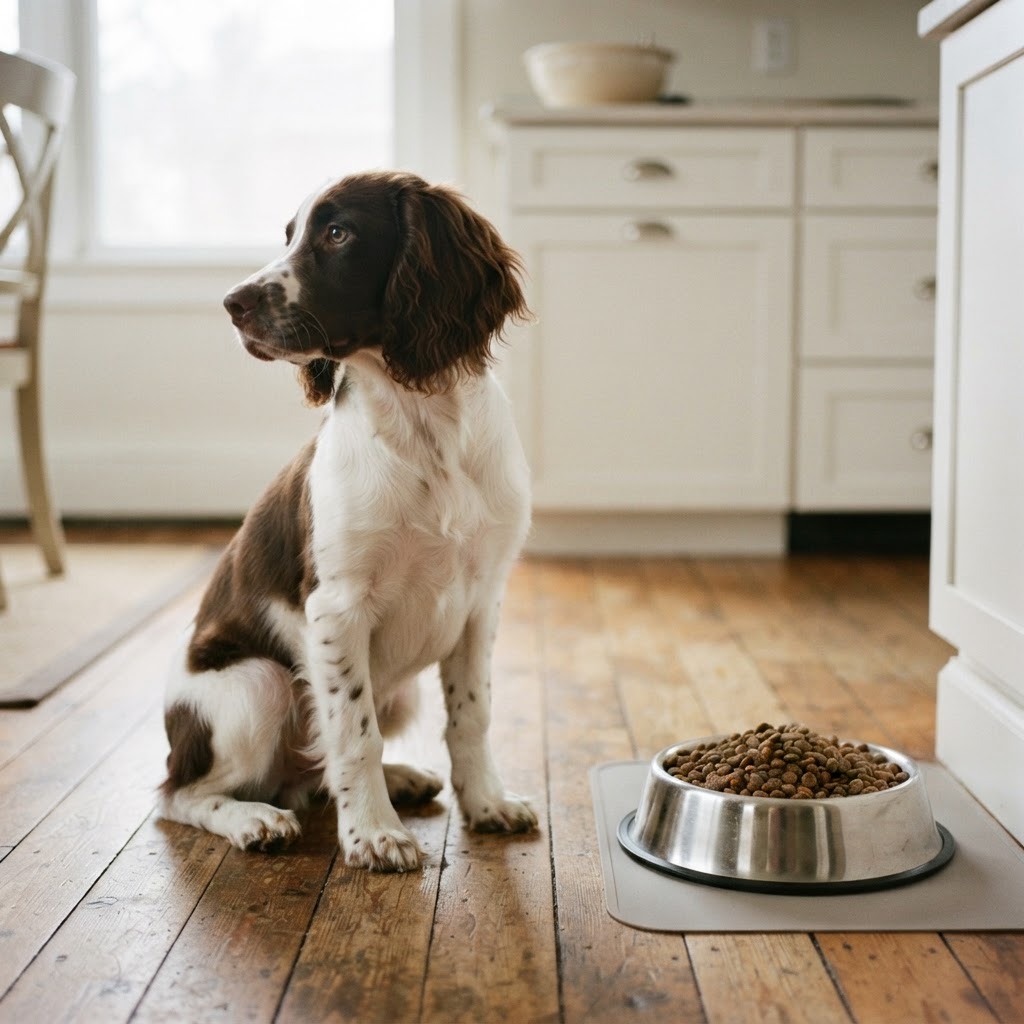
The solution is often simple: feed a small meal just before bedtime to keep the stomach occupied overnight. A handful of kibble or a small bland snack can make a dramatic difference.
2. Eating too fast
Dogs who inhale their food may vomit afterward - sometimes bringing up bile along with undigested food. A slow-feeder bowl or puzzle feeder can help.
3. Dietary indiscretion
Scavenging on walks, eating grass, or stealing table scraps can irritate the stomach lining and trigger bile vomiting. An isolated episode is usually nothing to worry about.
4. Diet changes
Switching food too quickly can upset the balance of gut bacteria and bile production. Always transition food gradually over 7–10 days.
5. More serious causes
When yellow vomit is persistent, frequent, or accompanied by other symptoms, it may indicate:
- Gastritis - inflammation of the stomach lining
- Pancreatitis - inflammation of the pancreas (often triggered by fatty foods)
- Gallbladder disease - stones, sludge, or inflammation
- Liver disease
- Intestinal blockage - especially if the vomiting becomes persistent and the dog stops eating or passing stool
- Inflammatory bowel disease (IBD) - chronic inflammation of the digestive tract
When to See the Vet
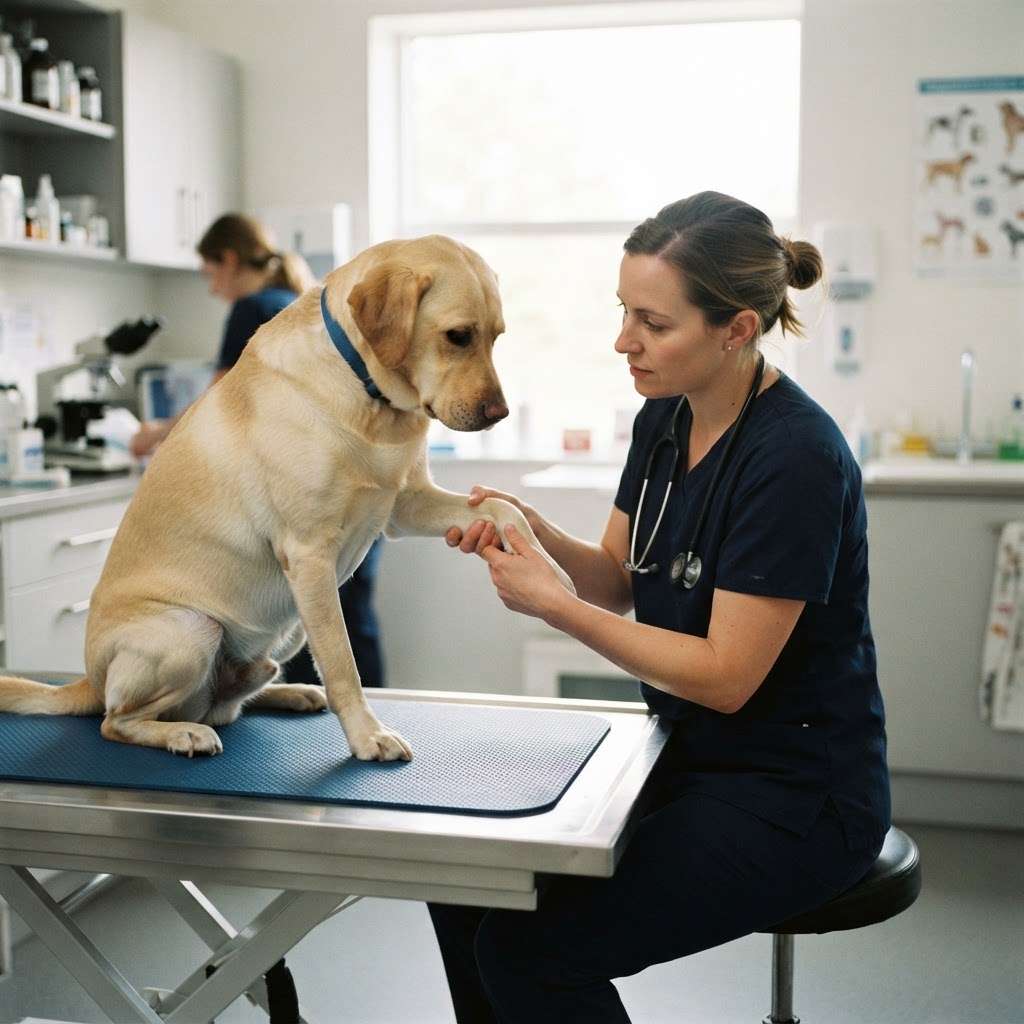
Most cases of occasional yellow bile vomit in an otherwise well dog can be managed at home. But call your vet if:
- 🐾 The vomiting is frequent - more than once or twice a day
- The vomiting is persistent - continuing for more than 24 hours
- Your dog is also vomiting food or water - not just bile
- There is blood in the vomit (red streaks or dark, coffee-ground material)
- Your dog is lethargic, weak, or in pain
- Your dog has a swollen abdomen
- Your dog is not eating or not keeping water down
- Your dog has diarrhoea as well
- The vomit has a particularly foul or unusual smell
- Your dog is a puppy, a senior, or has an existing health condition
If your dog is vomiting bile and has a swollen, painful abdomen - especially a deep-chested breed - go to the vet immediately. This could be bloat (GDV), a life-threatening emergency.
Managing Bilious Vomiting Syndrome at Home
If your vet has confirmed the diagnosis (or if the pattern fits and your dog is otherwise well), these strategies often resolve it:
1. Feed more frequently
Instead of one or two meals, feed 3–4 smaller meals throughout the day. The goal is to prevent the stomach from being empty for long stretches.
2. Add a bedtime snack
A small meal just before bed keeps the stomach occupied overnight. Try:
- A handful of kibble
- A small spoonful of plain cooked rice
- A dog biscuit
3. Feed a high-quality, easily digestible diet
Some dogs with sensitive stomachs benefit from a diet change. Your vet can recommend a suitable commercial food or a prescription diet if needed.
4. Use a slow-feeder bowl
If your dog eats too quickly, a slow-feeder can reduce vomiting after meals.
5. Reduce dietary fat
High-fat diets can trigger pancreatitis and increase bile production. Choose a moderate-fat, high-quality dog food.
What NOT to Do
- ❌ Do not give human antacids or medications without veterinary instruction
- ❌ Do not fast your dog for extended periods - this can make bilious vomiting worse
- ❌ Do not feed a large meal immediately after vomiting - give the stomach time to settle
- ❌ Do not ignore persistent vomiting - what starts as bilious vomiting syndrome can sometimes progress to something more serious
The Bottom Line
A single puddle of yellow vomit in the morning, from a dog who otherwise seems perfectly fine, is usually nothing to worry about. Try a bedtime snack and see if it resolves. But if the vomiting is frequent, persistent, or accompanied by other symptoms, don't wait - call your vet. The key is always the same: look at the whole dog, not just the puddle on the floor.
Frequently Asked Questions
Disclaimer: This article is for educational purposes only and is not a substitute for professional veterinary advice. If you're concerned about your pet's health, use our AI triage assessment or consult a licensed veterinarian.