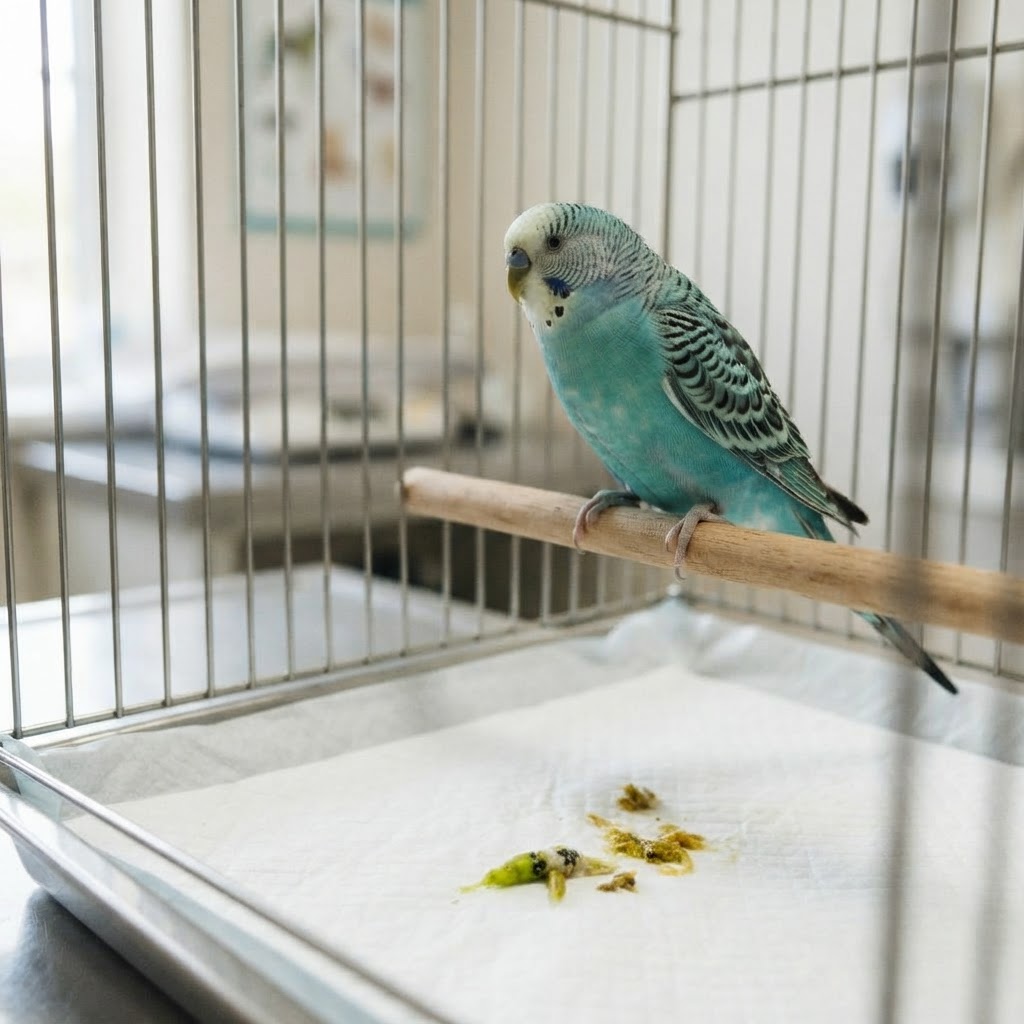
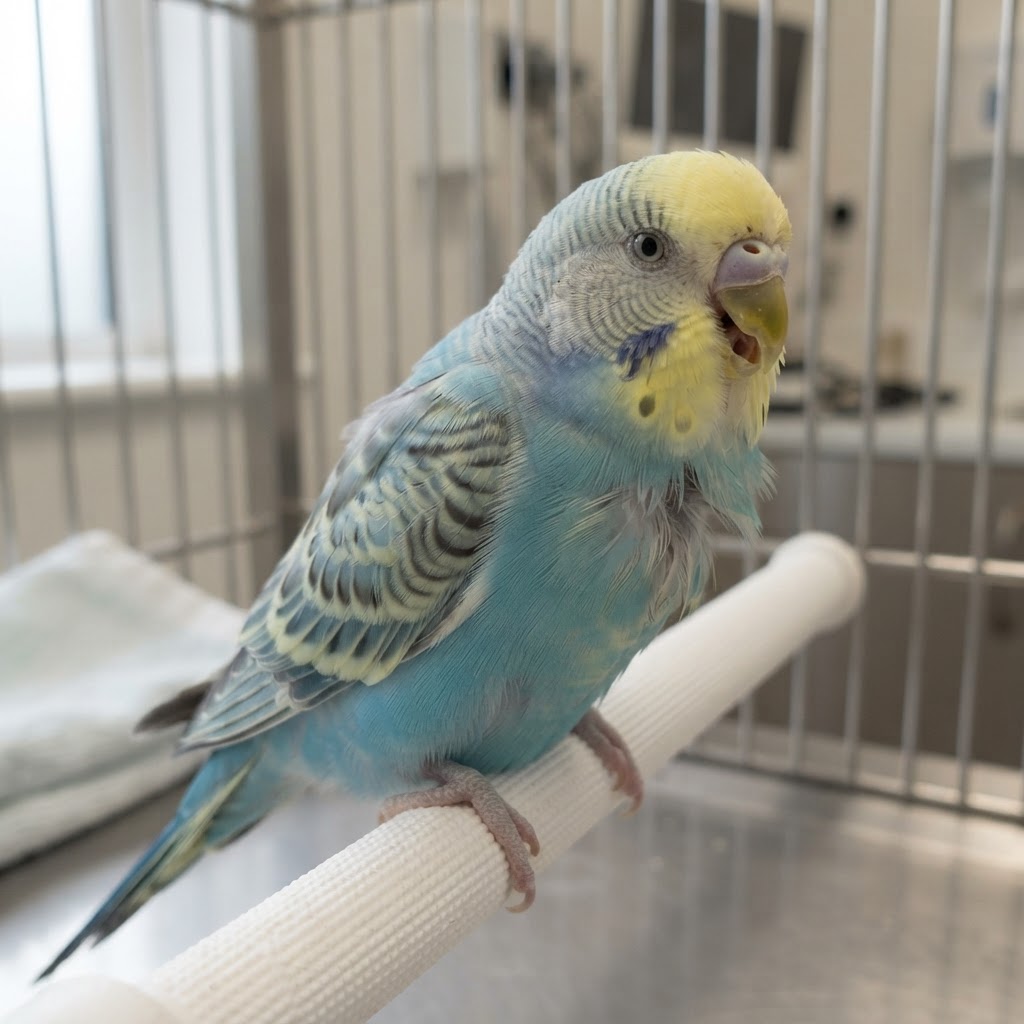
Bottom line: A "tail bob", the tail moving up and down with each breath at rest, is a sign of respiratory distress in birds and is often an emergency. Birds hide breathing problems until they're severe, so a bird with a tail bob, open-mouth breathing, or clicking needs an avian vet the same day.
| Situation | Suggested action |
|---|---|
| Slight movement when active or hot, bird otherwise bright | Move to cool, well-ventilated spot, monitor |
| Tail bobbing at rest, or with clicking/wheezing | Same-day avian vet |
| Open-mouth breathing, fluffed, or on the floor | Emergency vet now |
Why a tail bob is serious
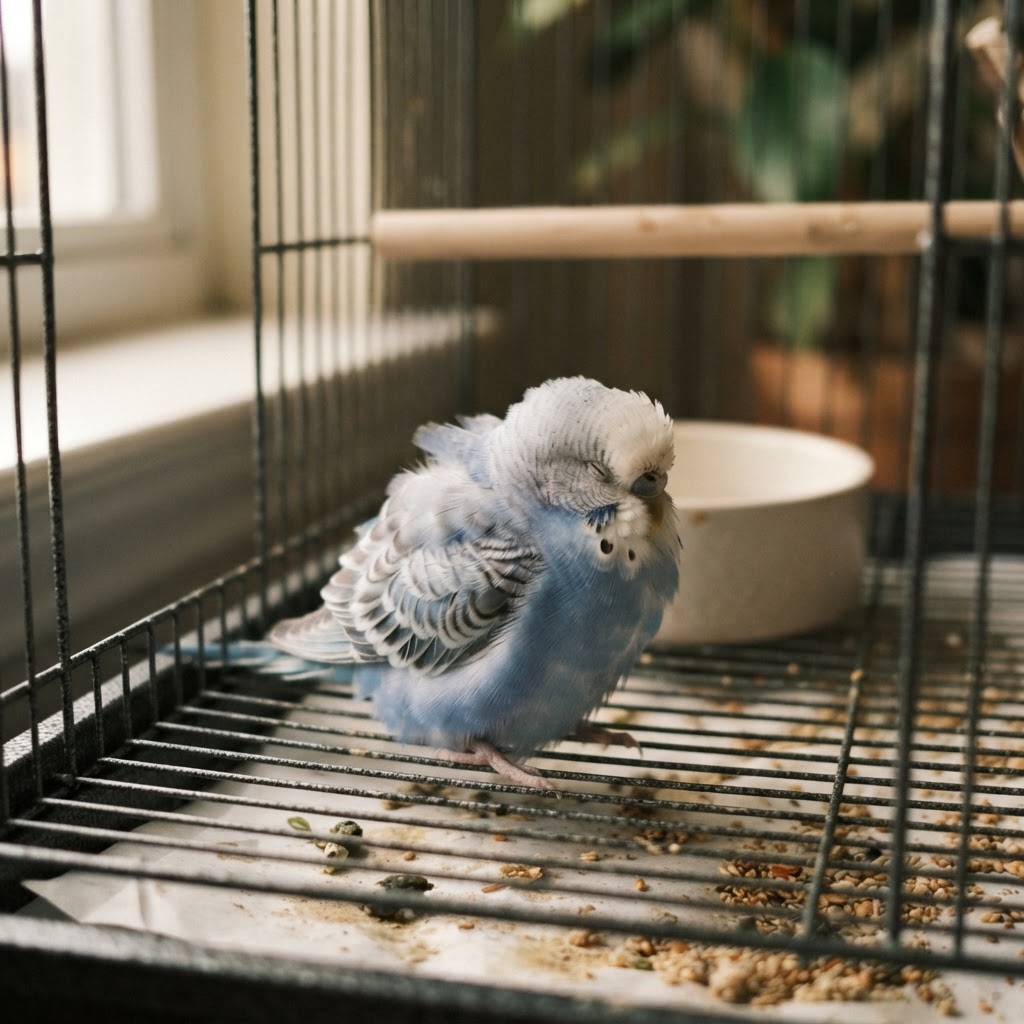
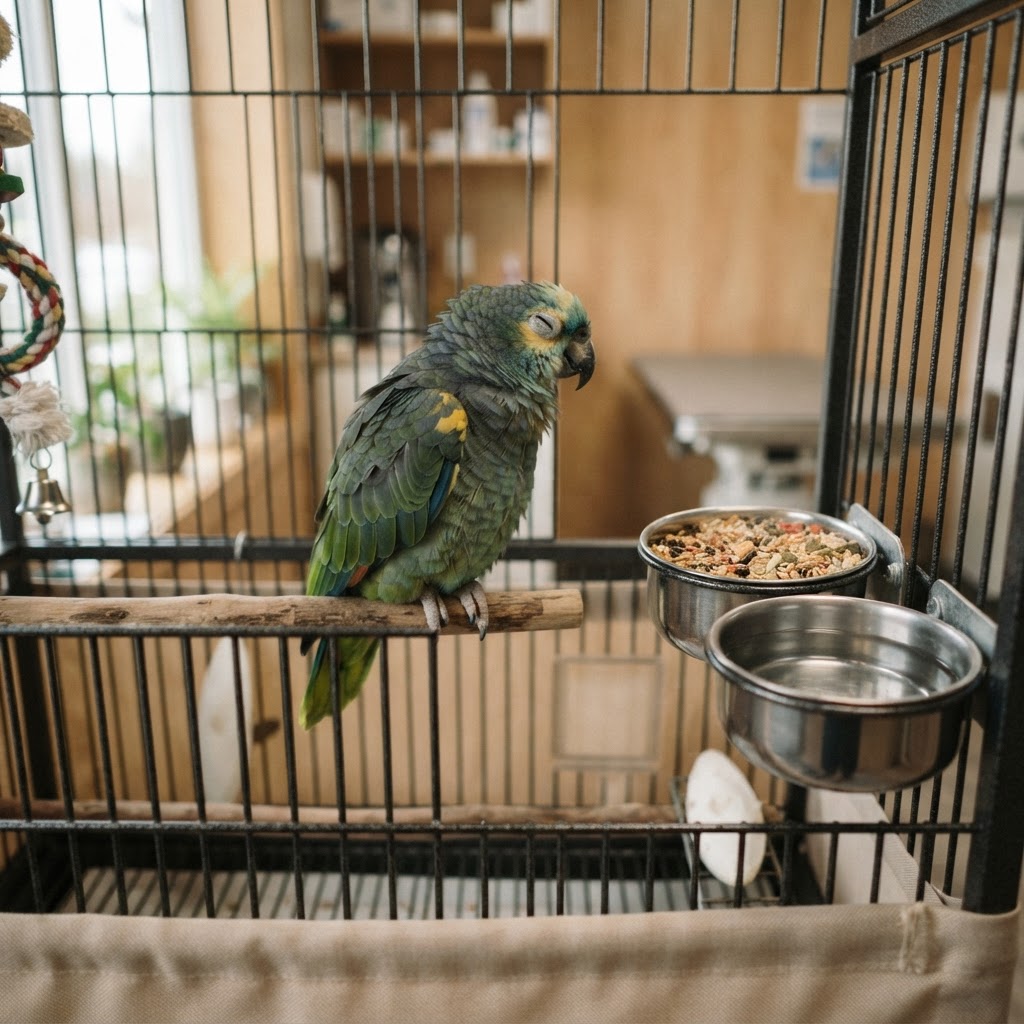
Birds have a unique breathing system with air sacs as well as lungs, and they don't have a diaphragm, they move their whole body to breathe. A healthy bird at rest shows almost no movement. A tail bob at rest means the bird is working hard to breathe, and because birds hide respiratory illness so well, this is usually a late, serious sign. It often comes with fluffing, lethargy, or sitting low. By the time you see a tail bob, the bird needs a vet promptly, respiratory infections in birds can become fatal quickly.
What can cause it
Respiratory infection (bacterial, viral like chlamydia/psittacosis, or fungal like aspergillosis) is a leading cause. Air sac mites are common in small birds like canaries and finches. Airway obstruction from a seed husk, a foreign body, or a tumour can cause sudden distress. Teflon (PTFE) toxicity from overheated non-stick cookware is acutely fatal to birds. Poor ventilation, dust, aerosols, or smoke irritate the airways, and heart disease in older birds can also cause breathing effort.
When to worry, the red flags
Slight breathing effort when active or hot can be normal. See an avian vet for:
- A tail bob at rest, or breathing that's visibly laboured
- Open-mouth breathing, or clicking, wheezing, or squeaking
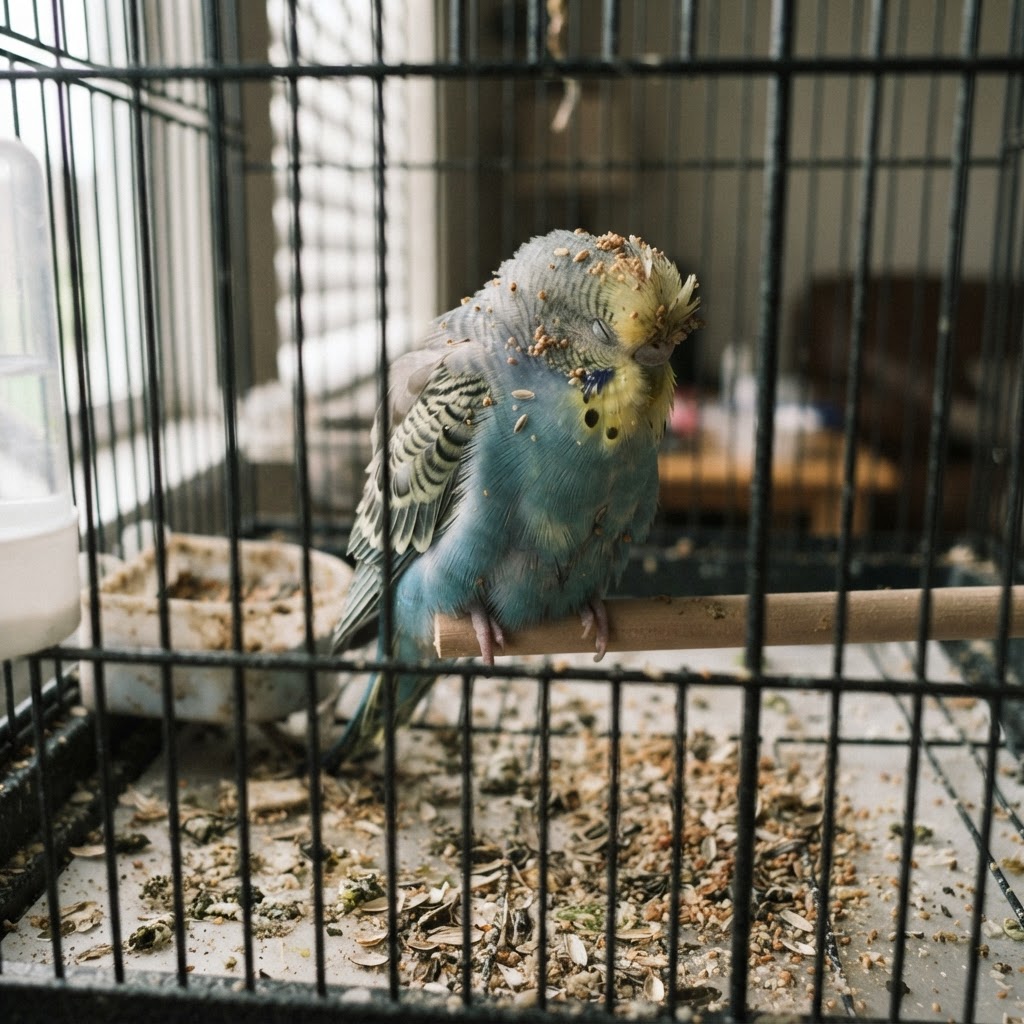
- Fluffed up and not moving, or sitting on the floor
- Not eating or drinking
- Discharge from the nares, or a matted, dirty face
- Sudden severe distress, possible Teflon toxicity or obstruction; an emergency
- A small bird (canary/finch) with tail bobbing, air sac mites are common
What to do right now
- Move the bird to a warm, well-ventilated, quiet spot away from fumes, smoke, and aerosols.
- Check for Teflon/PTFE exposure, overheated non-stick pans, self-cleaning ovens, or scented candles can be fatal; remove the source.
- Keep the bird calm; stress raises oxygen demand.
- Don't hold the bird; let it breathe.
- Call an avian vet immediately, respiratory distress in birds is an emergency.
What NOT to do
- ❌ Don't use non-stick cookware, scented candles, or aerosols near birds.
- ❌ Don't wait with open-mouth breathing or a tail bob at rest.
- ❌ Don't give human medications, many are toxic.
- ❌ Don't stress the bird with handling; it raises oxygen need.
How an avian vet diagnoses and treats it
An avian vet will examine the bird, listen to the airways, and may take X-rays, a faecal test (for air sac mites), or bloodwork. Treatment depends on the cause, antibiotics or antifungals for infection, antiparasitics for air sac mites, oxygen and supportive care, and removing the irritant. Chlamydia (psittacosis) is zoonotic, so diagnosis also protects the household.
Preventing respiratory problems
Keep birds away from non-stick cookware fumes, smoke, aerosols, and scented products; provide good ventilation and a clean cage; quarantine new birds; and watch for subtle breathing changes. A healthy bird at rest shows almost no tail movement, any change is worth a vet.
When to wait, and when to act now
Slight effort when active or hot can be normal. A tail bob at rest, open-mouth breathing, clicking, or a fluffed bird on the floor means an avian vet now, respiratory distress in birds can kill within hours.
Run a free AI triage assessment for personalised next steps, or find an avian vet near you.
Frequently Asked Questions
Disclaimer: This article is for educational purposes only and is not a substitute for professional veterinary advice. If you're concerned about your pet's health, use our AI triage assessment or consult a licensed veterinarian.