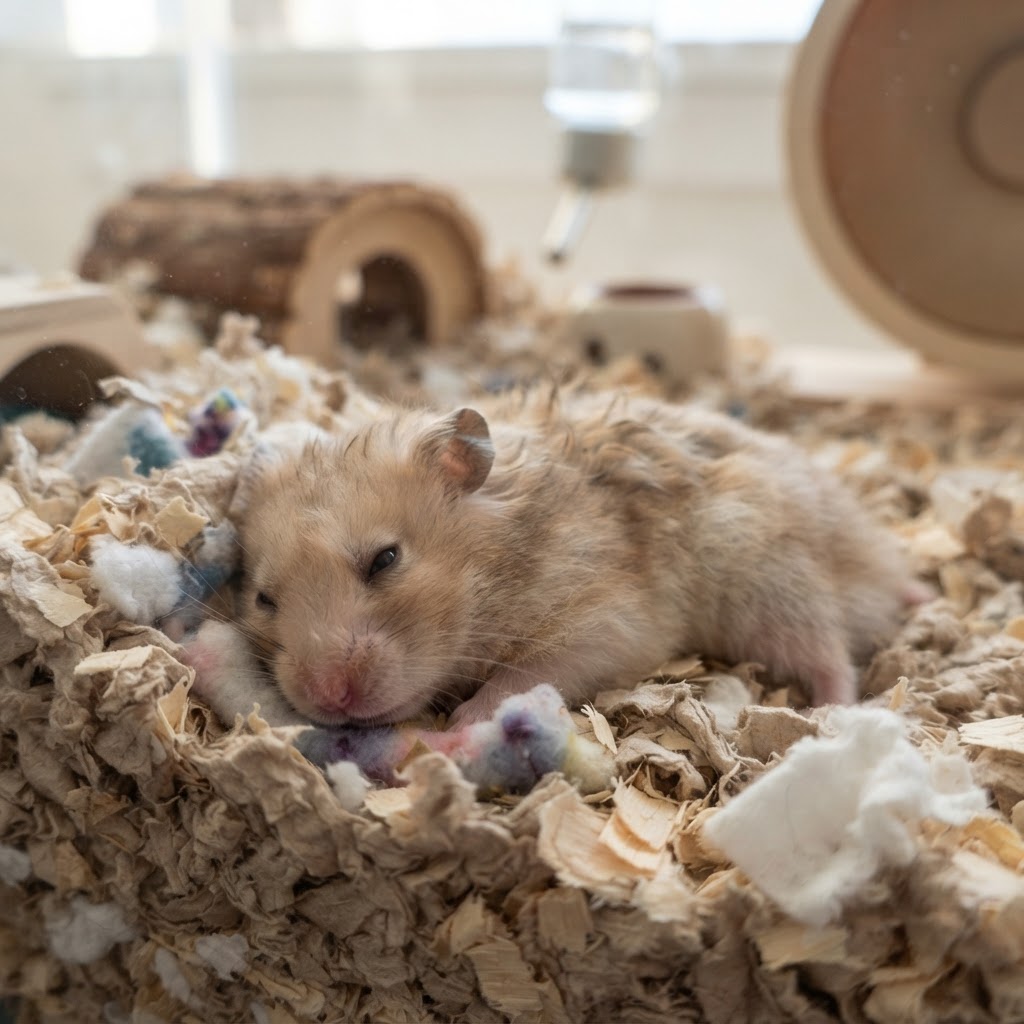
Bottom line: A hamster that's lying still, won't move, or feels cold to the touch can be seriously unwell, or, if the room is cold, slipping into a dangerous state of torpor. A quiet, cold, or unresponsive hamster needs warming and a vet; hamsters hide illness and go downhill fast.
| Situation | Suggested action |
|---|---|
| Quiet but moving normally when woken, room warm | Monitor closely |
| Lying still, cold to the touch, or barely responsive | Warm gently, then emergency vet |
| Not moving + not eating/drinking, or breathing fast | Same-day / emergency vet |
| Not moving after a fall, or with a swollen belly | Emergency vet now |
Why a hamster stops moving
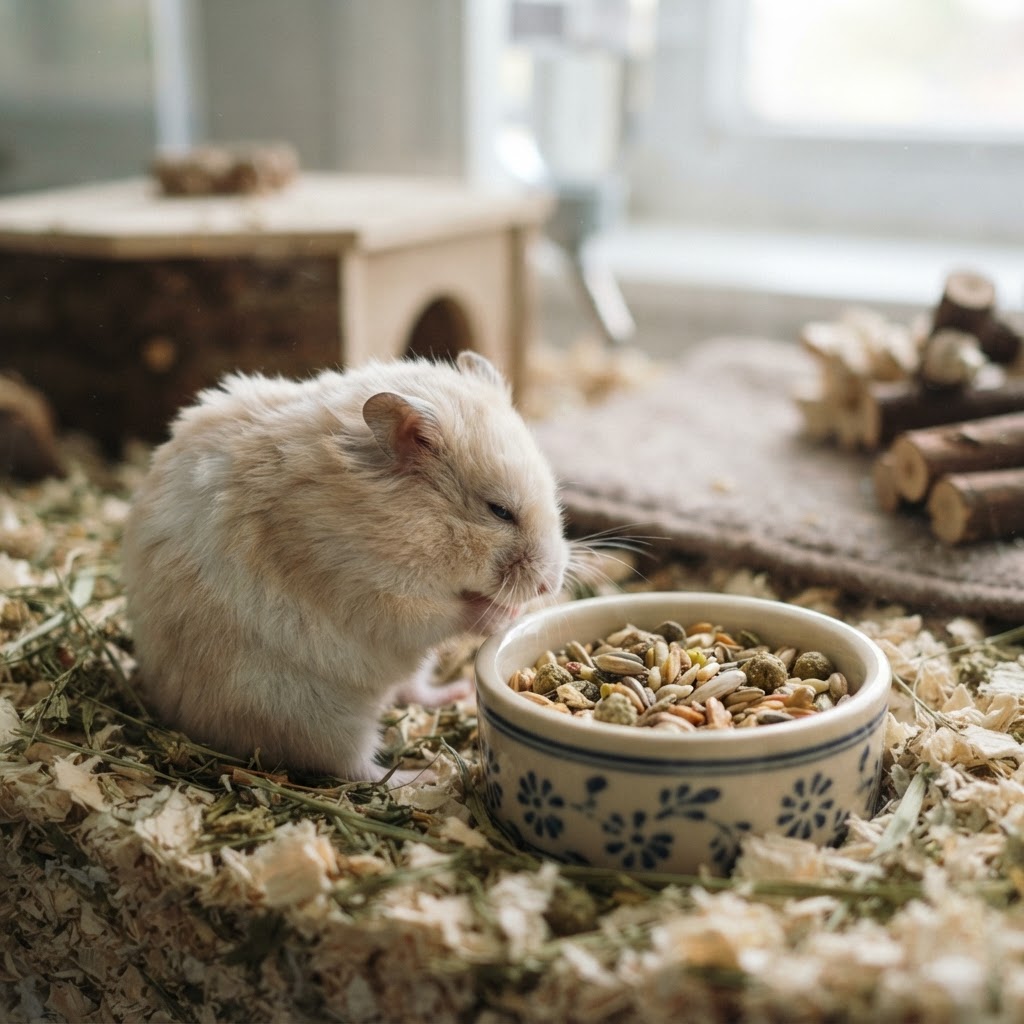
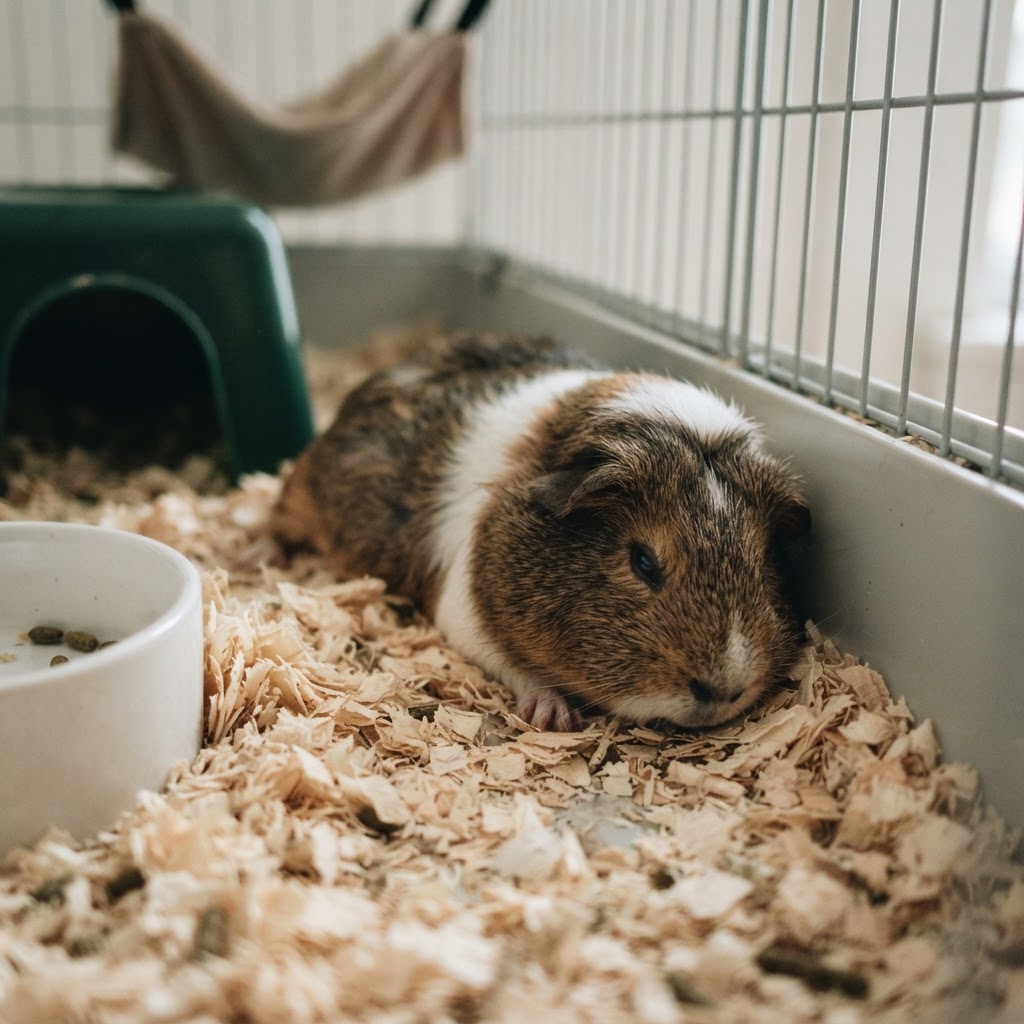
Hamsters are small, fast, and hide illness exceptionally well, by the time one is lying still and not moving, it's usually quite unwell. There's also a quirk unique to hamsters: if their environment gets too cold, they can enter torpor, a hibernation-like state that is dangerous for pet (Syrian) hamsters and can look like death or serious illness. The first question is always temperature: a cold, still hamster in a chilly room may need warming before anything else, but a warm hamster that won't move is genuinely sick.
What can cause it
Environmental causes include a cold room (below about 18 °C) triggering torpor, stress, or a poor setup. Illness is the big category of concern: wet tail (a serious bacterial diarrhoeal disease, especially in young hamsters), respiratory infection (pneumonia), an injured or broken limb from a fall, an abdominal mass or organ disease, an impacted cheek pouch, or a uterine problem in females.
Serious causes include heatstroke (if the cage is in direct sun or above ~28 °C), poisoning, a stroke in older hamsters, and severe dehydration. A hamster that's stopped eating may also have overgrown teeth, which make eating painful and lead to weakness.
When to worry, the red flags
A hamster that's just sleeping but perks up when gently woken, in a warm room, can be watched. See a vet (often urgently) for:
- Cold to the touch and barely responsive, warm gently and seek emergency care; torpor can be dangerous
- Lying still and not eating or drinking
- A wet, soiled bottom or diarrhoea, wet tail is life-threatening
- Breathing fast, laboured, or with clicking sounds, possible pneumonia
- A swollen or painful belly, or a hunched, painful posture
- An obvious injury, a fall, or a limb held oddly
- Discharge from the eyes or nose, or a matted, wet face
- Overgrown or misaligned teeth, drooling, or weight loss
- A hamster that's hot and panting, heatstroke is an emergency
What to do right now
- Check the temperature of the room and the hamster. If cold and still, warm gently, hold against your skin or use a wrapped warm (not hot) water bottle, and see if they revive.
- Move the cage to a warm, quiet, draught-free spot (around 20–24 °C).
- Offer a favourite treat and water from a spoon or syringe if they're weak.
- Look for a wet bottom, discharge, or injury, and note the breathing.
- Call an exotic vet immediately if there's no improvement after warming, or with any red flag, hamsters don't have much time once they go quiet.
What NOT to do
- ❌ Don't put a cold hamster in hot water or on a heat pad set high, warm gently to avoid burns or shock.
- ❌ Don't give human medications, they're toxic to such a small animal.
- ❌ Don't assume a still hamster has died, check carefully; torpor can look like death.
- ❌ Don't wait with a wet bottom, laboured breathing, or a cold unresponsive hamster.
How a vet diagnoses and treats it
An exotic vet will examine your hamster, check the temperature, listen to the chest, and look at the teeth, belly, and bottom. Treatment depends on the cause: warming and fluids for torpor or dehydration, antibiotics for wet tail or pneumonia, dental trimming for overgrown teeth, pain relief for injury, or supportive care. Hamsters are small, so prompt treatment matters, a day's delay can be the difference.
Preventing problems
Keep the cage between about 20–24 °C out of draughts and direct sun, provide a solid-floored cage with safe bedding (no pine or cedar), offer a balanced diet and chew items to wear teeth, and handle gently to prevent falls. Because hamsters hide illness, check on them daily and act fast on any change.
When to wait, and when to act now
A sleeping hamster that wakes bright in a warm room is fine. A cold, still, unresponsive hamster needs warming now and then a vet; a hamster with a wet bottom, laboured breathing, or that won't move after warming needs emergency care right away.
Run a free AI triage assessment for personalised next steps, or find an exotic vet near you.
Frequently Asked Questions
Disclaimer: This article is for educational purposes only and is not a substitute for professional veterinary advice. If you're concerned about your pet's health, use our AI triage assessment or consult a licensed veterinarian.