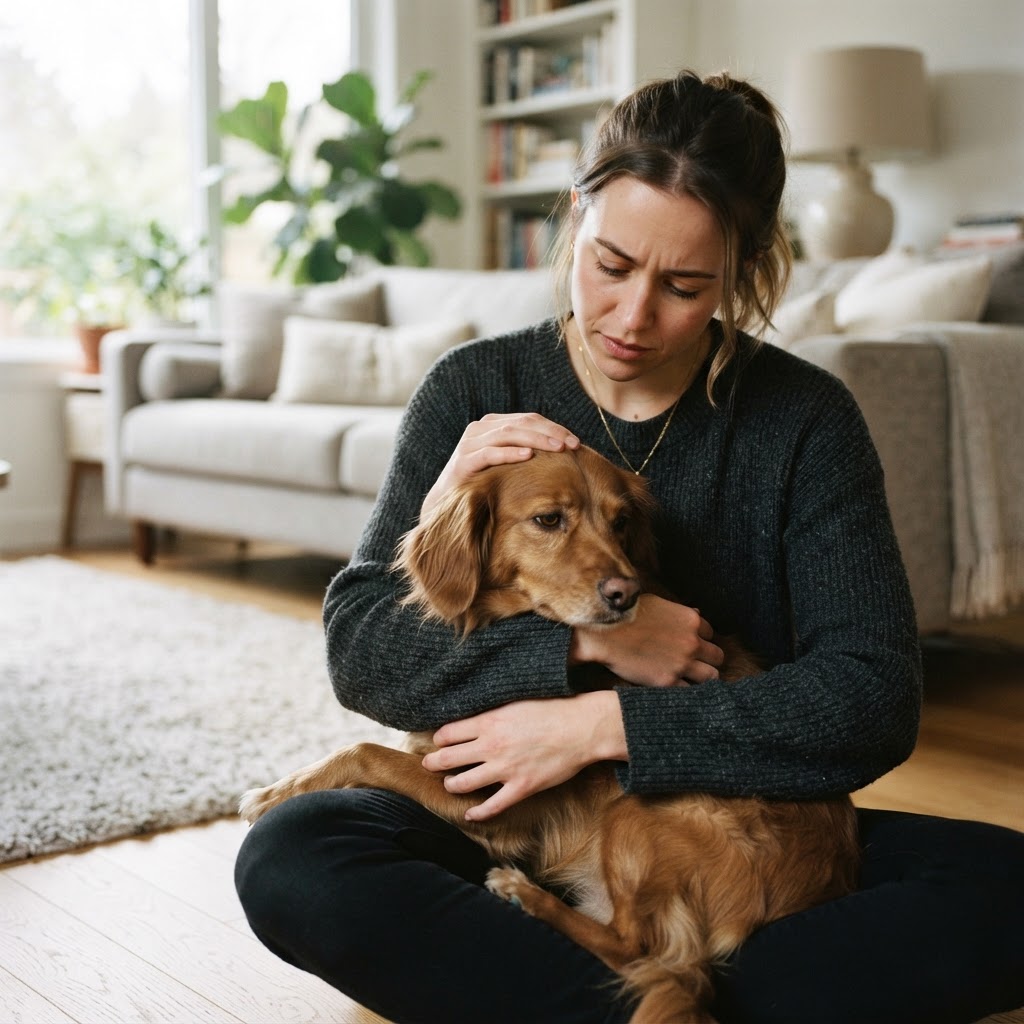
Bottom line: A dog that vomits once or twice but is otherwise bright, alert, eating, and drinking normally can often be monitored at home. However, repeated vomiting, vomiting with diarrhoea, vomiting blood, or vomiting alongside lethargy, abdominal pain, or signs of dehydration means your dog should see a veterinarian. Puppies, small breeds, and senior dogs dehydrate faster and need faster assessment.
| Situation | Suggested action |
|---|---|
| Vomiting blood, or vomiting plus collapse, severe weakness, or a swollen and painful abdomen | Emergency veterinary care now |
| Repeated vomiting (3+ times in a few hours), vomiting plus diarrhoea, or unable to keep water down | Urgent veterinary assessment |
| Vomited once or twice, otherwise completely normal and eating | Monitor closely and offer small amounts of water |
| Vomited once, ate something unusual but acting fine | Monitor and call a vet if vomiting continues |
Is this an emergency?
Most dogs vomit occasionally and it is not always cause for alarm. However, vomiting becomes an emergency when you see any of the following red flags:
- Blood in the vomit (red, dark brown, or looking like coffee grounds)
- A swollen, tight, or painful abdomen (possible bloat or intestinal blockage)
- Repeated vomiting (three or more times in a few hours, or continuous retching)
- Lethargy, collapse, or weakness alongside the vomiting
- Vomiting and diarrhoea together (rapid dehydration risk)
- Known toxin ingestion (chocolate, xylitol, rat poison, human medication, lilies if you also have cats)
- Vomiting after eating a foreign object (sock, toy, bone, string)
If any of these apply, contact an emergency veterinarian immediately.
How long is too long?

A single episode of vomiting in an otherwise healthy adult dog is usually not an emergency. However, the following timeframes matter:
- Adult dogs: If vomiting continues for more than 24 hours, or occurs more than 3 times in a few hours, contact a veterinarian.
- Puppies under 6 months: Vomiting can cause rapid dehydration. If a puppy vomits more than once or twice, or refuses food for more than 12 hours, contact a veterinarian the same day.
- Small and toy breeds: These dogs dehydrate quickly. Repeated vomiting over 6-8 hours warrants a vet call.
- Senior dogs (7+ years): Vomiting can signal underlying disease. If it persists beyond 24 hours, contact a vet even if your dog seems normal.
What should I check at home?
Before calling the vet, check the following:
- Gum colour: Lift your dog's lip. Gums should be pink. White, pale, blue, or dark red gums are an emergency.
- Hydration: Gently pinch the skin between the shoulder blades and release. It should snap back immediately. If it stays tented, your dog may be dehydrated.
- Abdomen: Gently feel your dog's belly. If it is tight, swollen, or your dog yelps or tenses when touched, this is a red flag.
- Vomit appearance: Note the colour and contents. Yellow bile, white foam, undigested food, or grass are less concerning. Blood, dark material, or a foreign object is an emergency.
- Energy level: Is your dog still interested in their surroundings, responding to you, and willing to move around? Lethargy or hiding is a warning sign.
What causes vomiting in a dog that seems fine?
Common causes of occasional vomiting in an otherwise normal dog include:
- Eating too quickly or exercising right after a meal
- Dietary indiscretion (eating something unusual, rich, or spoiled)
- Motion sickness (common in puppies and young dogs)
- Grass eating (often harmless if occasional)
- Mild stomach upset from a sudden diet change
- Empty stomach (yellow bile vomit in the morning, common in dogs fed once daily)
Less common but more serious causes include:
- Intestinal blockage from swallowing a foreign object
- Toxin ingestion (chocolate, xylitol, rat poison, human medication, plants)
- Pancreatitis (inflammation of the pancreas, often from fatty food)
- Kidney or liver disease (more common in older dogs)
- Infectious diseases (parvovirus, particularly in unvaccinated puppies)
- Bloat (GDV) (life-threatening stomach torsion, more common in large deep-chested breeds)
What should I avoid doing?
- Do not induce vomiting unless instructed by a veterinarian. If your dog ate something toxic, the wrong induction method can cause more harm.
- Do not give human medication (ibuprofen, paracetamol, Pepto-Bismol) without veterinary advice. Many human medications are toxic to dogs.
- Do not force-feed or offer large meals. If your dog wants to eat, offer a small amount of bland food (plain boiled chicken and white rice).
- Do not wait if red flags appear. Dogs can deteriorate quickly, especially puppies and small breeds.
What information should I give the veterinarian?
When you call or visit the vet, have the following ready:
- How many times your dog vomited and over what period
- What the vomit looked like (colour, contents, any blood)
- When your dog last ate and what they ate
- Whether your dog is still drinking water and keeping it down
- Whether there is diarrhoea, lethargy, or abdominal pain
- Any medications, supplements, or new foods your dog is on
- Whether your dog may have eaten something unusual (plants, human food, toys, rubbish)
- Your dog's breed, age, weight, and any pre-existing conditions
How will a veterinarian investigate this?
Depending on the severity, your vet may:
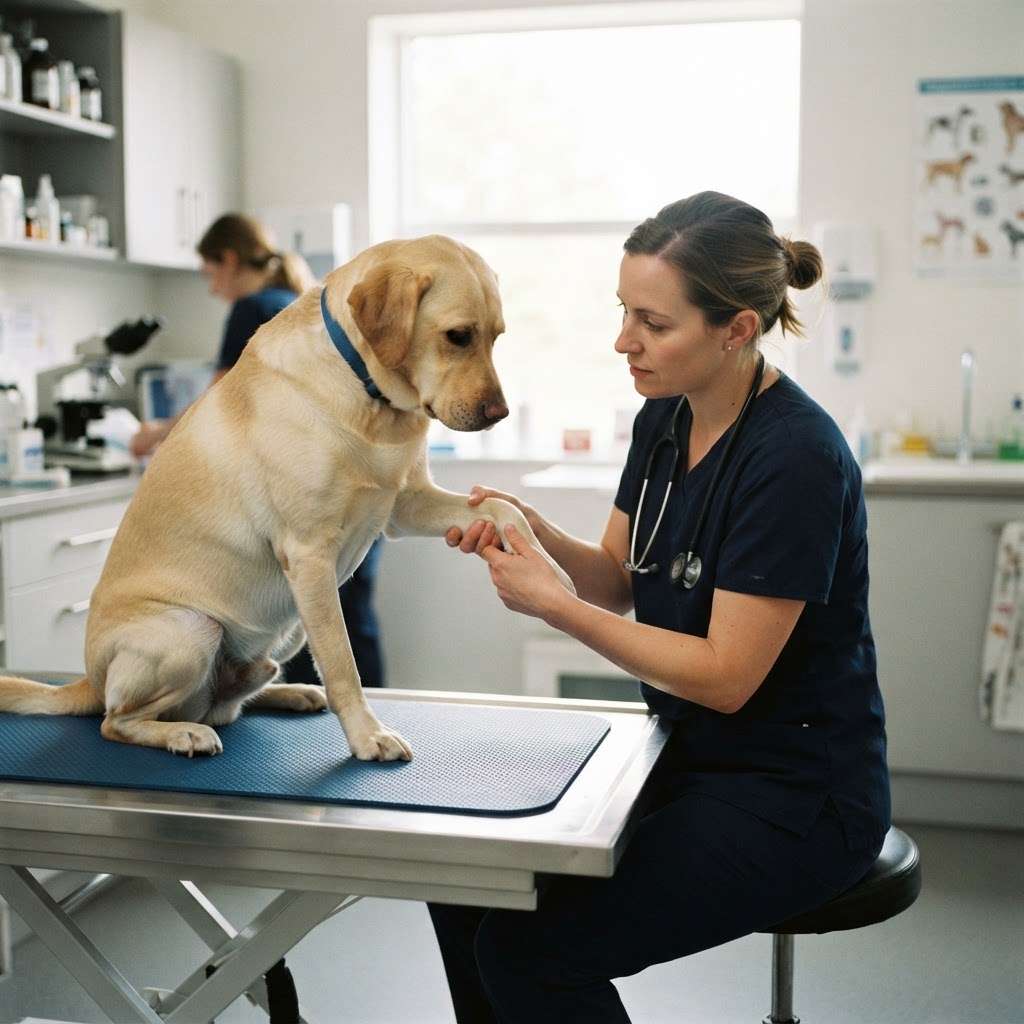
- Perform a physical examination (checking abdomen, gums, hydration, and pain response)
- Run blood tests to check organ function, infection markers, and electrolytes
- Take abdominal X-rays or ultrasound to look for blockages, bloat, or organ abnormalities
- Give anti-nausea medication and intravenous fluids if dehydrated
- Recommend hospitalisation for severe cases or suspected blockage
When is home monitoring reasonable?
Home monitoring is reasonable when ALL of the following are true:
- Your dog vomited only once or twice
- Your dog is bright, alert, and responsive
- Your dog is still drinking water and keeping it down
- Gums are pink and moist
- No blood in the vomit
- No abdominal swelling or pain
- No diarrhoea, lethargy, or other symptoms
- Your dog is not a very young puppy, a small breed, or a senior with other health issues
If monitoring at home, remove food for 4-6 hours (water only), then offer a small amount of bland food. If vomiting does not recur, gradually return to normal food over 24-48 hours.
Ready for a personalised assessment?
If you are still unsure whether your dog's vomiting is an emergency, use our free AI triage assessment. Describe the symptoms, and get an instant urgency rating with clear next steps.
Need to find an emergency vet?
If your dog needs urgent care, find the nearest open veterinary clinic right now.
References
This article is informed by veterinary clinical guidelines on canine gastroenterology, ASPCA Animal Poison Control data, and standard veterinary emergency medicine references. Last clinically reviewed: August 2026.
Frequently Asked Questions
Disclaimer: This article is for educational purposes only and is not a substitute for professional veterinary advice. If you're concerned about your pet's health, use our AI triage assessment or consult a licensed veterinarian.