Bottom line: Fin rot, frayed, disintegrating, or reddened fins, is a bacterial infection almost always triggered by poor water or stress. It's treatable if caught early, so fix the water first and use an antibacterial treatment; advanced cases need a closer look.
| Situation | Suggested action |
|---|---|
| Mildly ragged fins, fish bright | Improve water, monitor closely |
| Frayed, disintegrating, or reddened fins | Water change + antibacterial treatment |
| Fin rot + lethargy, not eating, or body sores | Treat / fish vet |
What fin rot is
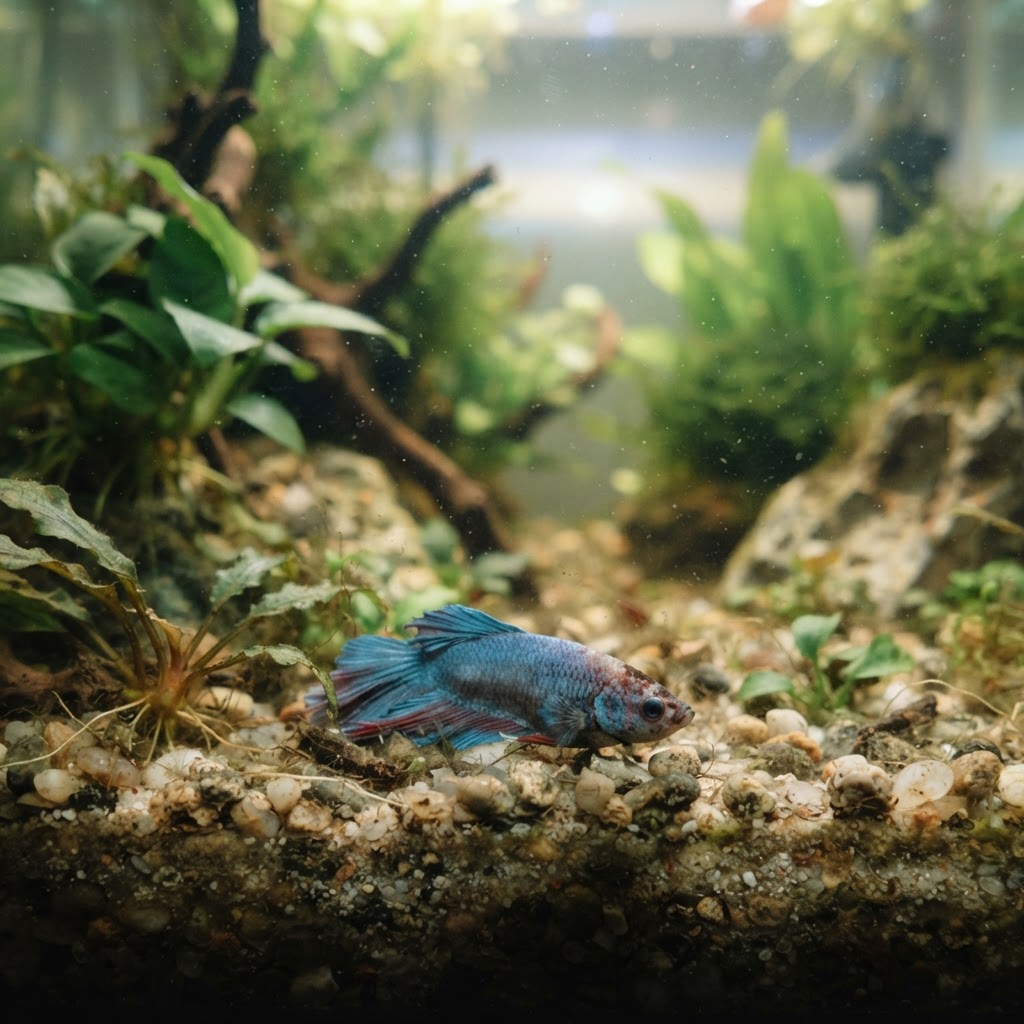
Fin rot is a bacterial infection (often Aeromonas or Pseudomonas) that eats away the fins, starting at the edges and working inward. The fins look frayed, ragged, or milky, sometimes with a red or white edge, and in advanced cases the rot can reach the body. It's one of the most common fish diseases, and almost always points to stress or poor water quality that has let normally-present bacteria take hold. The good news is that early fin rot usually reverses once the water is fixed and the fish's immune system recovers, and the fins often regrow, provided the rot hasn't eaten into the body.
What can cause it
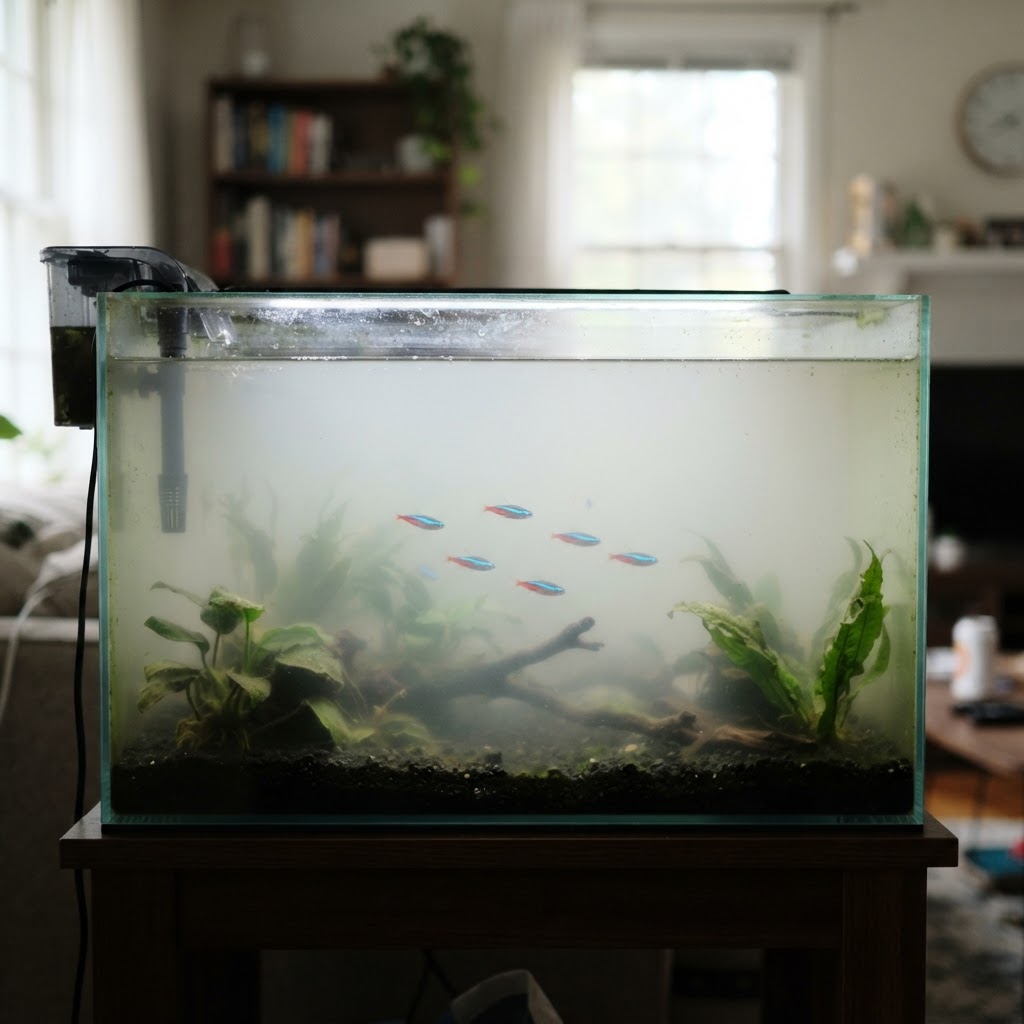
Poor water quality (ammonia, nitrite, high nitrate) is the leading cause. Stress from bullying, overcrowding, a move, or a recent change weakens immunity. Overfeeding and a dirty tank feed the bacteria. Injury from nippy tank-mates or sharp décor gives bacteria an entry. Low temperature in tropical fish slows healing. Once established, fin rot can spread, especially in a stressed, overcrowded tank.
When to worry, the red flags
Mildly ragged fins in an otherwise bright fish can be improved with water. Treat for:
- Frayed, disintegrating, or milky fin edges
- Red or white inflamed fin edges
- Fins shortening fast, or rot reaching the body
- Lethargy, not eating, or clamped fins
- Sores or ulcers on the body
- Multiple fish affected, a tank/water problem
What to do right now
- Test the water, ammonia, nitrite, nitrate; fix anything out of range.
- Do a partial water change with dechlorinated, temperature-matched water, clean water alone cures many early cases.
- Remove sharp décor and check for bullying or nippy tank-mates.
- Use an antibacterial treatment (often an aquarium antibacterial or salt bath) if rot is progressing.
- Keep water pristine with frequent partial changes during treatment.
- Treat the whole tank if multiple fish are affected; isolate a single badly affected fish if needed.
What NOT to do
- ❌ Don't ignore the water, fin rot almost always means a water problem.
- ❌ Don't let rot reach the body, it becomes much harder to treat and can kill.
- ❌ Don't overstock or keep known fin-nippers with long-finned fish.
- ❌ Don't stop water changes during treatment, clean water is part of the cure.
How to treat it
Clean water plus an antibacterial treatment resolves most fin rot, and fins usually regrow if the rot hasn't reached the body. Severe cases, or fish with body sores, may need an antibiotic, a fish vet can advise. Fixing the underlying cause (water, stocking, tank-mates) is essential to stop it recurring.
Preventing fin rot
Keep water pristine with regular testing and changes, avoid overstocking, keep nippy fish away from long-finned species, remove sharp décor, and feed a balanced diet. A clean, low-stress tank keeps the bacteria in check and the fins intact.
When to wait, and when to act now
Mildly ragged fins in a bright fish can be improved with a water change and watched. Frayed, disintegrating, or reddened fins, or rot reaching the body, means treat now, clean water plus an antibacterial.
Run a free AI triage assessment for personalised next steps, or find a vet near you.
Frequently Asked Questions
Disclaimer: This article is for educational purposes only and is not a substitute for professional veterinary advice. If you're concerned about your pet's health, use our AI triage assessment or consult a licensed veterinarian.