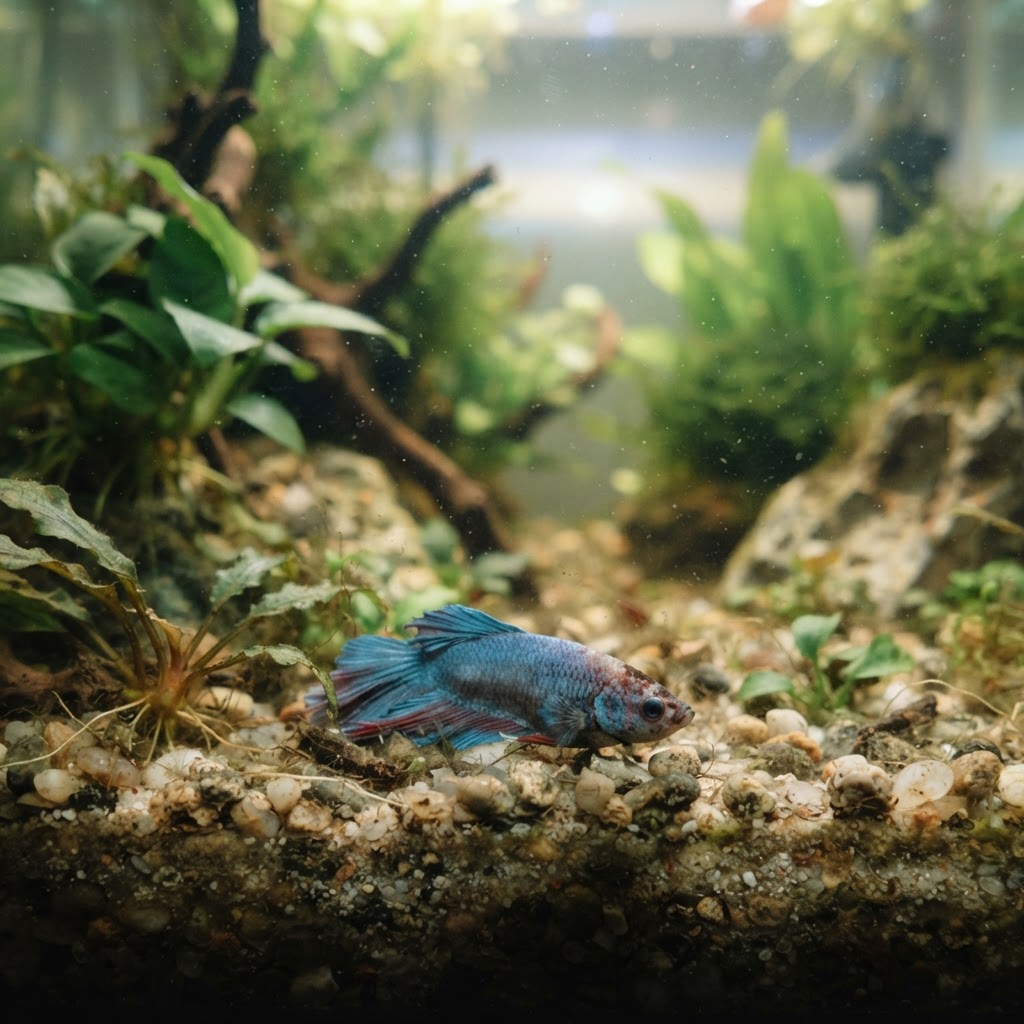
Bottom line: A fish that stops eating is usually stressed, in poor water, or unwell. Test the water first, check temperature and tank-mates, and observe closely, a fish off food for several days needs a closer look at water, disease, and environment.
| Situation | Suggested action |
|---|---|
| Skips a meal, otherwise bright and swimming | Lighten feeding, monitor |
| Not eating for several days | Test water, check temperature, observe |
| Not eating + spots, swelling, or rapid breathing | Treat for the specific sign / vet |
Why a fish stops eating
Fish don't skip meals for fashion, when one stops eating, something's off. The appetite is a sensitive barometer of stress, water quality, and health, and loss of appetite is often one of the first signs of a developing problem, well before the fish looks obviously sick. The skill is to tell a fish that's just not hungry today (overfed, a new food, breeding mood) from one that's being pushed off food by water, temperature, tank-mates, or disease. Most often the answer is in the water and the environment.
What can cause it
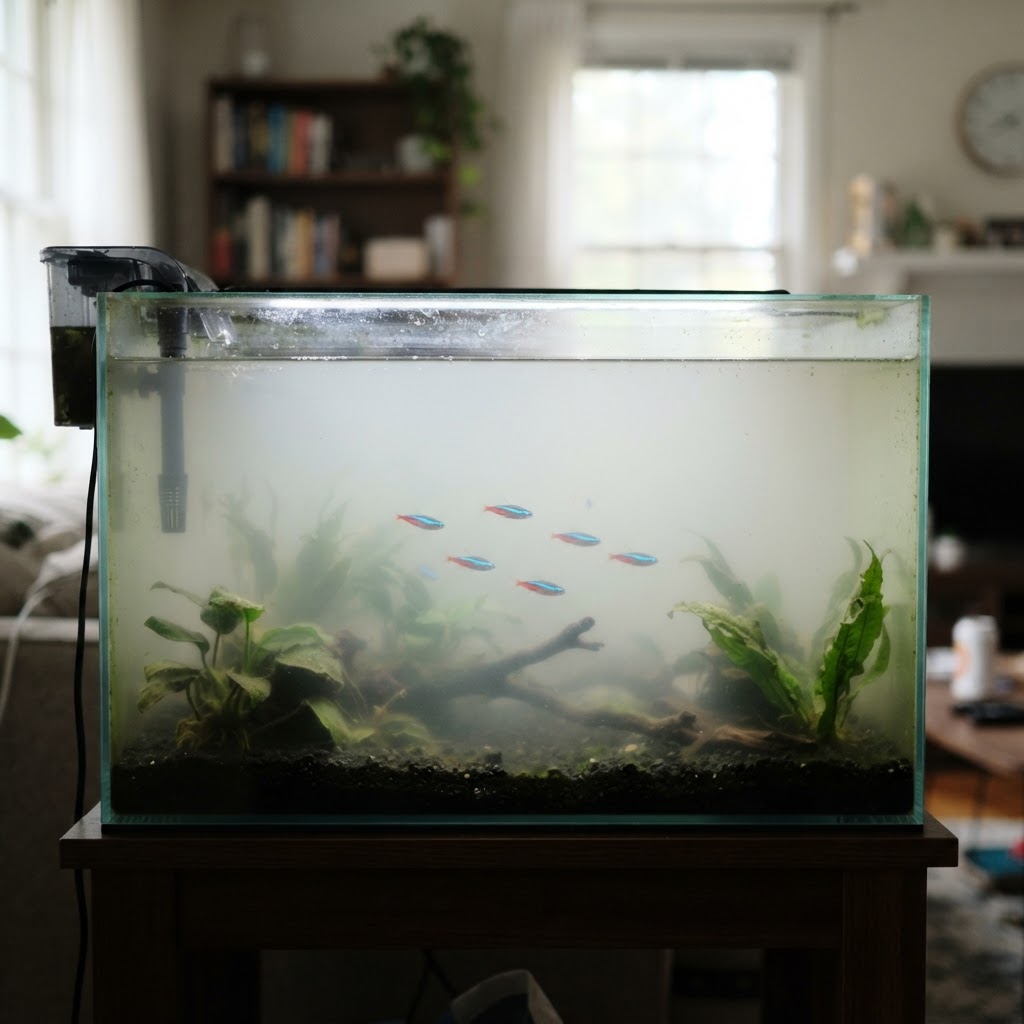
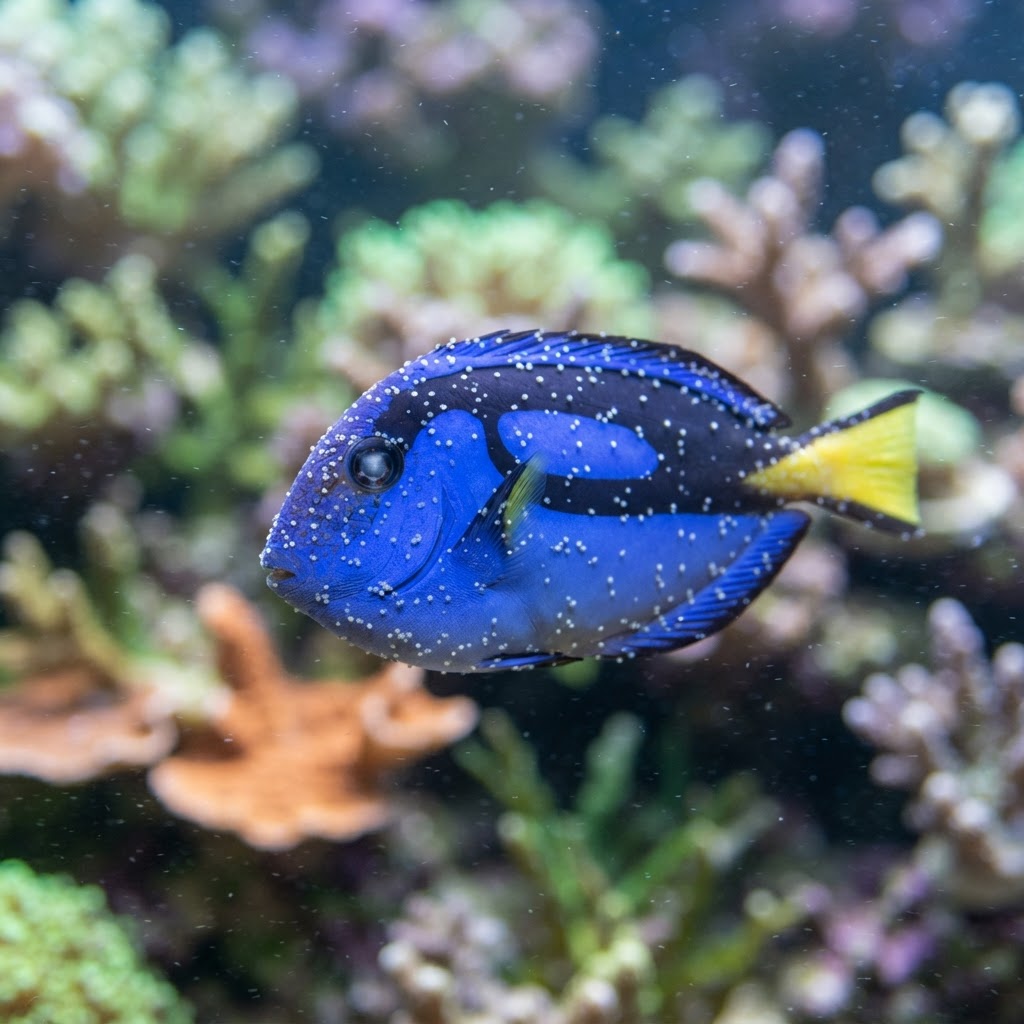
Poor water quality (ammonia, nitrite, high nitrate) is the most common cause. Wrong temperature, too cold slows digestion and appetite; too hot stresses the fish. Stress from bullying, a new tank-mate, a move, or a recent water change. Disease, parasites (like Ich), bacterial infection, or gill problems reduce appetite. Overfeeding, a new or wrong food, and breeding behaviour can also cause a temporary dip. New fish often fast for a day or two while settling in.
When to worry, the red flags
A fish that skips a meal or two but stays bright can be watched. Investigate for:
- Not eating for several days
- Not eating with clamped fins, lethargy, or hiding
- White spots, swelling, raised scales, or fin damage, disease
- Rapid breathing or gasping, water or gill problem
- Multiple fish off food, likely a water or tank problem
- A fish being bullied or chased away from food
What to do right now
- Test the water, ammonia, nitrite, nitrate, temperature; fix anything out of range.
- Do a partial water change with dechlorinated, temperature-matched water.
- Try a favourite or varied food, a different flake, frozen, or live food can tempt a fussy fish.
- Check for bullying, make sure the fish can reach food; separate if needed.
- Look for other signs (spots, swelling, rapid breathing) that point to a specific disease.
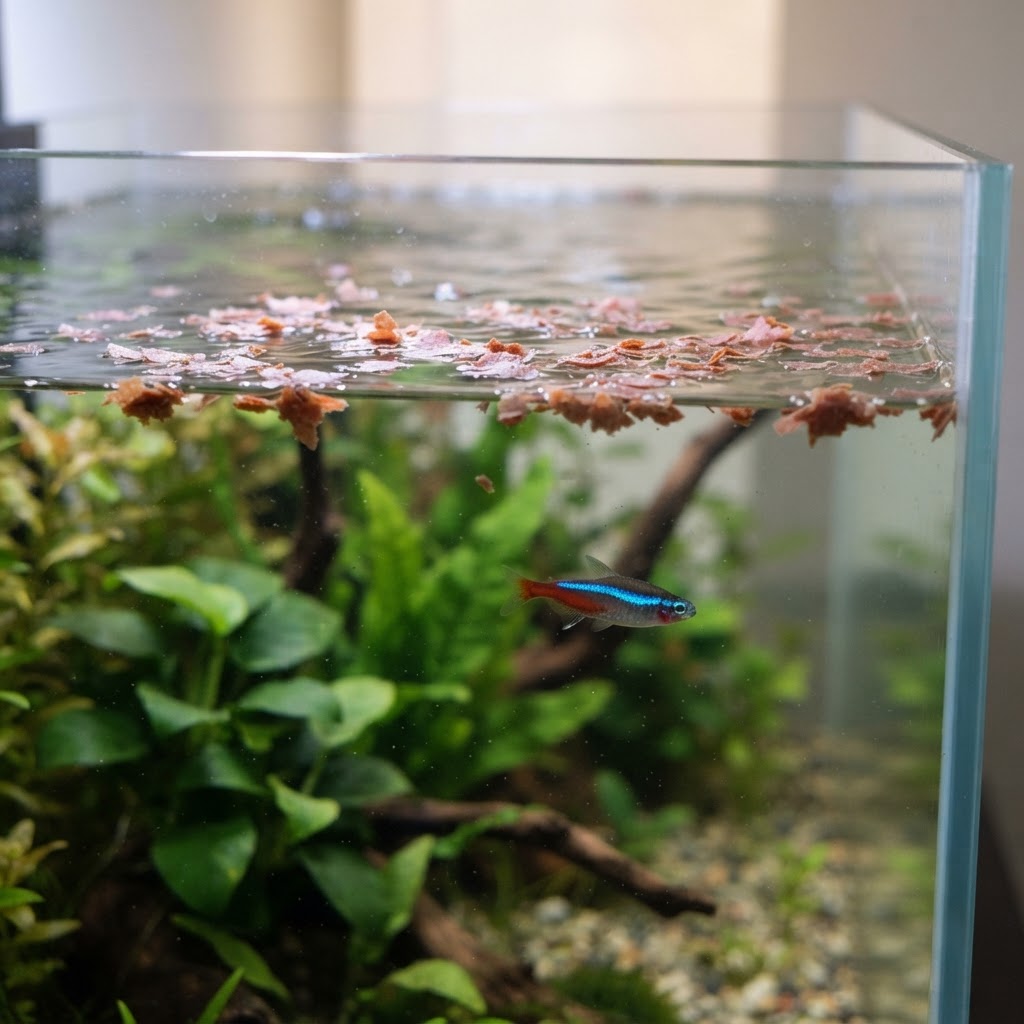
- Stop overfeeding, offer a small amount once a day and remove uneaten food.
What NOT to do
- ❌ Don't overfeed to "tempt" the fish, uneaten food worsens water.
- ❌ Don't ignore the water, it's the most common cause.
- ❌ Don't add random medications without a specific diagnosis.
- ❌ Don't leave uneaten food to decay.
How to treat it
Fixing water quality and temperature resolves many cases. For a specific disease (spots, swelling, fin damage), treat the identified problem. A bullied fish may need a separate tank. New fish usually start eating once settled in clean, stable water. A fish vet can help with stubborn or valuable cases.
Preventing appetite problems
Keep water pristine with regular testing and changes, feed a varied diet in sensible amounts, match temperature to the species, avoid overstocking, and quarantine new fish. A stable, clean tank keeps most fish eating well.
When to wait, and when to act now
A fish that skips a meal or two but stays bright can be watched. Not eating for several days, or with spots, swelling, or rapid breathing, needs water testing and a closer look, and multiple fish off food means act on the tank now.
Run a free AI triage assessment for personalised next steps, or find a vet near you.
Frequently Asked Questions
Disclaimer: This article is for educational purposes only and is not a substitute for professional veterinary advice. If you're concerned about your pet's health, use our AI triage assessment or consult a licensed veterinarian.