Bottom line: Goldfish are hardy, but the first signs of illness, clamped fins, lethargy, not eating, or odd swimming, usually point to water quality. Test the water first, do a partial change, and watch closely; several sick fish at once means act on the tank now.
| Situation | Suggested action |
|---|---|
| One odd sign, fish otherwise bright | Test water, monitor closely |
| Multiple signs, or not eating | Water change, observe, investigate |
| Several fish affected, or deaths | Act on the tank now / fish vet |
How to tell a sick goldfish
Goldfish are tough, but they show illness in predictable ways once you know what's normal for them. A healthy goldfish is bright-eyed, holds its fins open, swims steadily, eats eagerly, and has a smooth body and clear fins. When something's wrong, almost always starting with the water, those normals shift. The earliest signs are subtle: fins clamped to the body, less activity, less interest in food, or hanging at the surface or bottom. Because goldfish produce a lot of waste, water quality is the cause behind most sickness, so the first response to any sick goldfish is always the same: test the water.
Common signs and what they point to
- Clamped fins, lethargy, or hiding, stress or poor water
- Not eating, water, temperature, or disease
- Gasping at the surface, low oxygen or ammonia/nitrite
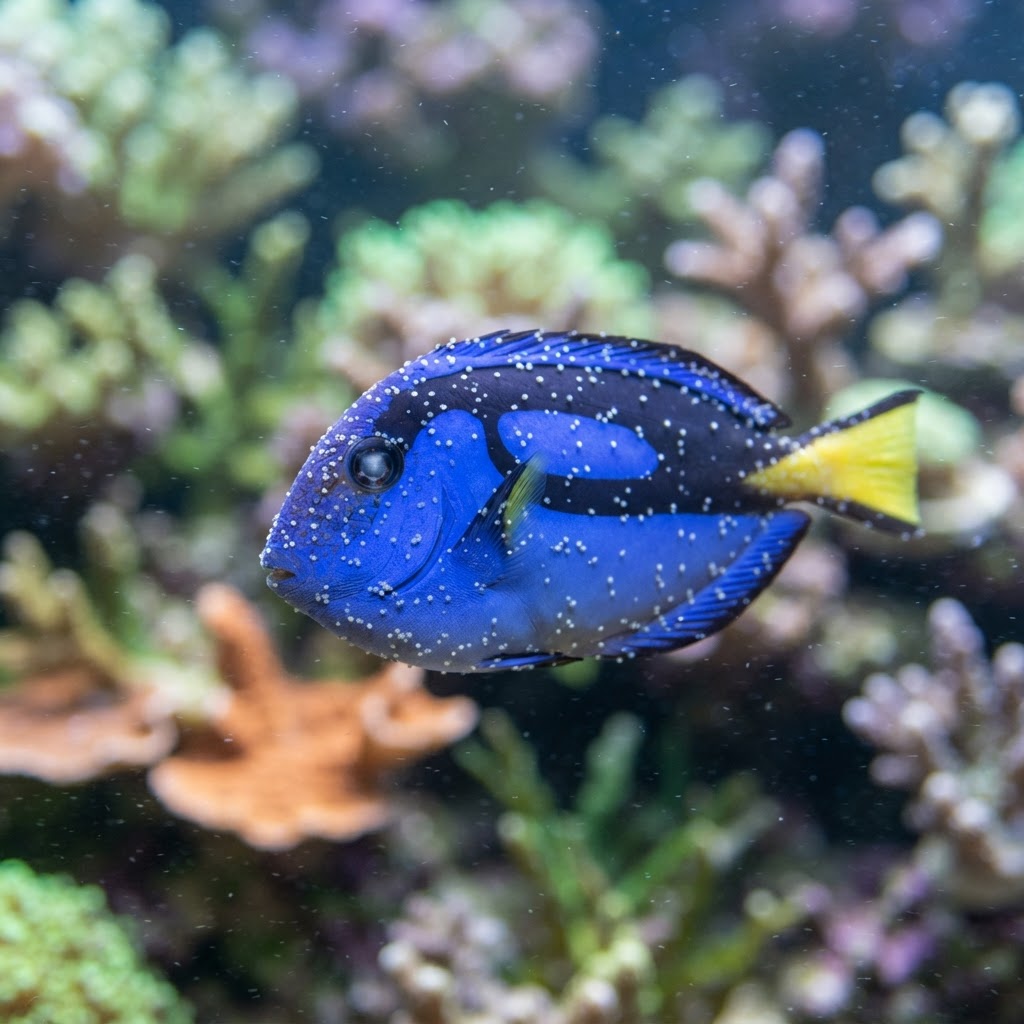
- White spots on fins and body, Ich
- Frayed, disintegrating fins, fin rot
- Swollen belly or raised scales, dropsy
- Floating, sinking, or swimming upside down, swim bladder
- Red gills, or red streaks on fins/body, ammonia/nitrite poisoning
- Stringy white faeces, internal infection or parasites
What can cause it
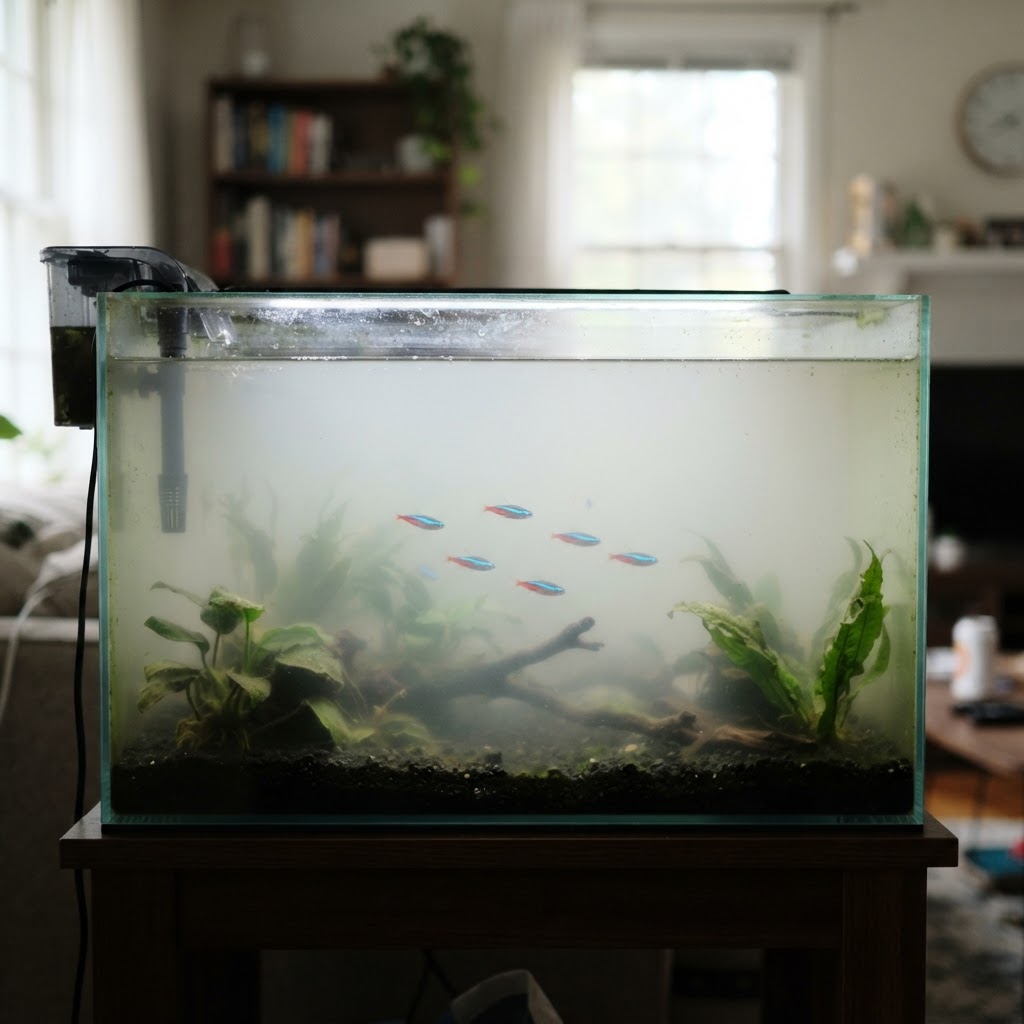
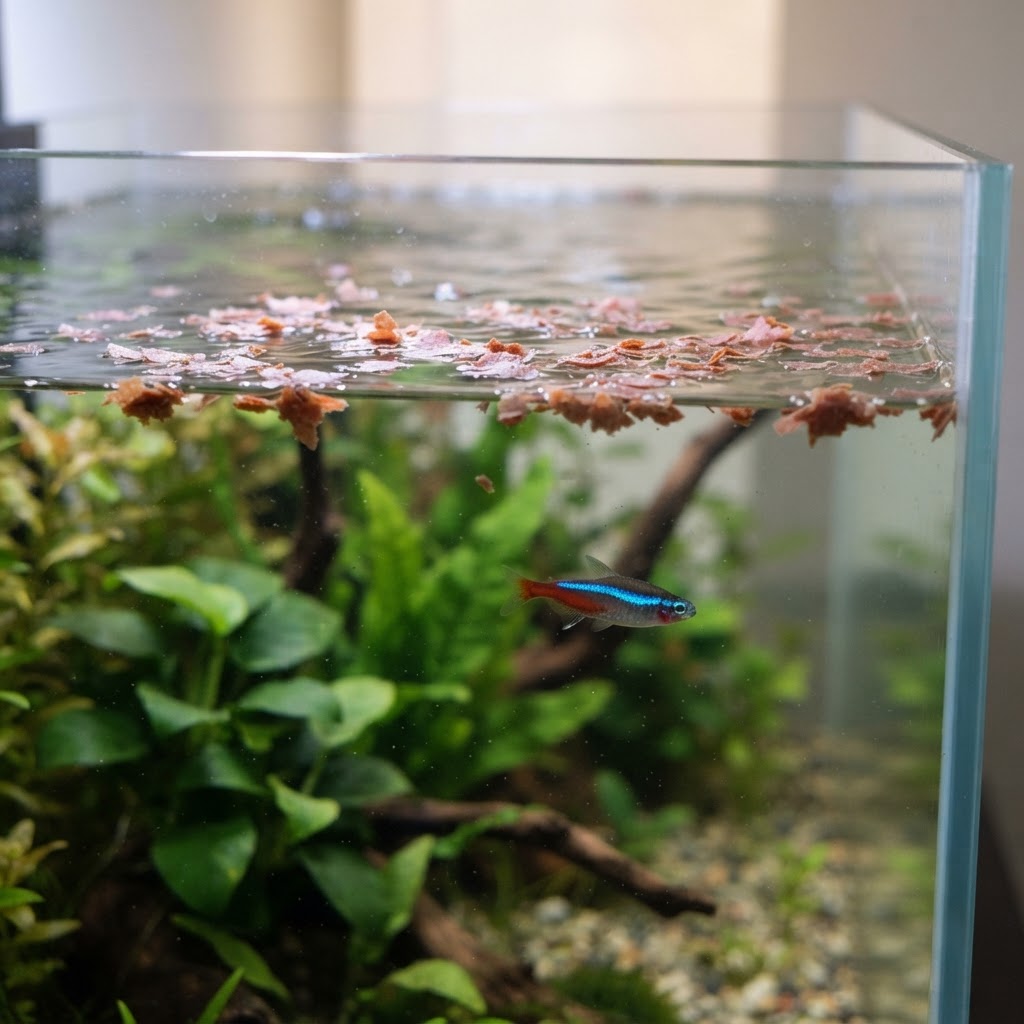
Poor water quality (ammonia, nitrite, high nitrate) is behind most goldfish illness, goldfish are heavy waste producers and need strong filtration. Overfeeding dirties the water and causes swim bladder issues. A tank too small or no filter is a common root cause. Temperature swings stress the fish. Diseases like Ich, fin rot, and dropsy take hold in stressed fish. New fish may bring disease.
When to worry, the red flags
A single mild sign in an otherwise bright fish can be watched. Act for:
- Multiple signs, or not eating
- Gasping at the surface, or rapid breathing
- White spots, frayed fins, or a swollen body, specific disease
- Red gills or red streaks, ammonia/nitrite
- Several fish affected, or deaths, a tank problem; act now
What to do right now
- Test the water, ammonia, nitrite, nitrate, temperature; fix anything out of range.
- Do a partial water change (25–50%) with dechlorinated, temperature-matched water.
- Stop feeding for a day or two, then feed very lightly, overfeeding worsens most goldfish problems.
- Match temperature on water changes to avoid shock.
- Look for specific signs (white spots, frayed fins, swelling) and treat accordingly.
- Ensure filtration is adequate, goldfish need a filter rated above the tank size.
What NOT to do
- ❌ Don't keep a goldfish in a small unfiltered bowl, it leads to chronic water problems.
- ❌ Don't overfeed, it's the fastest way to a sick goldfish.
- ❌ Don't do big temperature-swing water changes.
- ❌ Don't add random medications without a specific diagnosis.
How to treat it
Fixing the water resolves most early goldfish illness. For a specific disease (Ich, fin rot, dropsy, swim bladder), match the treatment to the signs, a fish vet can help with stubborn or severe cases. A clean, well-filtered, appropriately sized tank is the foundation of goldfish health.
Preventing sick goldfish
House goldfish in a properly sized, filtered tank (not a bowl), feed sparingly, do weekly partial water changes with dechlorinated, temperature-matched water, and test regularly. Goldfish are hardy when their water is right, most "sick goldfish" problems disappear with good filtration and clean water.
When to wait, and when to act now
A single mild sign in an otherwise bright fish can be watched. Multiple signs, not eating, gasping, or several fish affected means act now, test and change the water, and treat any specific disease.
Run a free AI triage assessment for personalised next steps, or find a vet near you.
Frequently Asked Questions
Disclaimer: This article is for educational purposes only and is not a substitute for professional veterinary advice. If you're concerned about your pet's health, use our AI triage assessment or consult a licensed veterinarian.