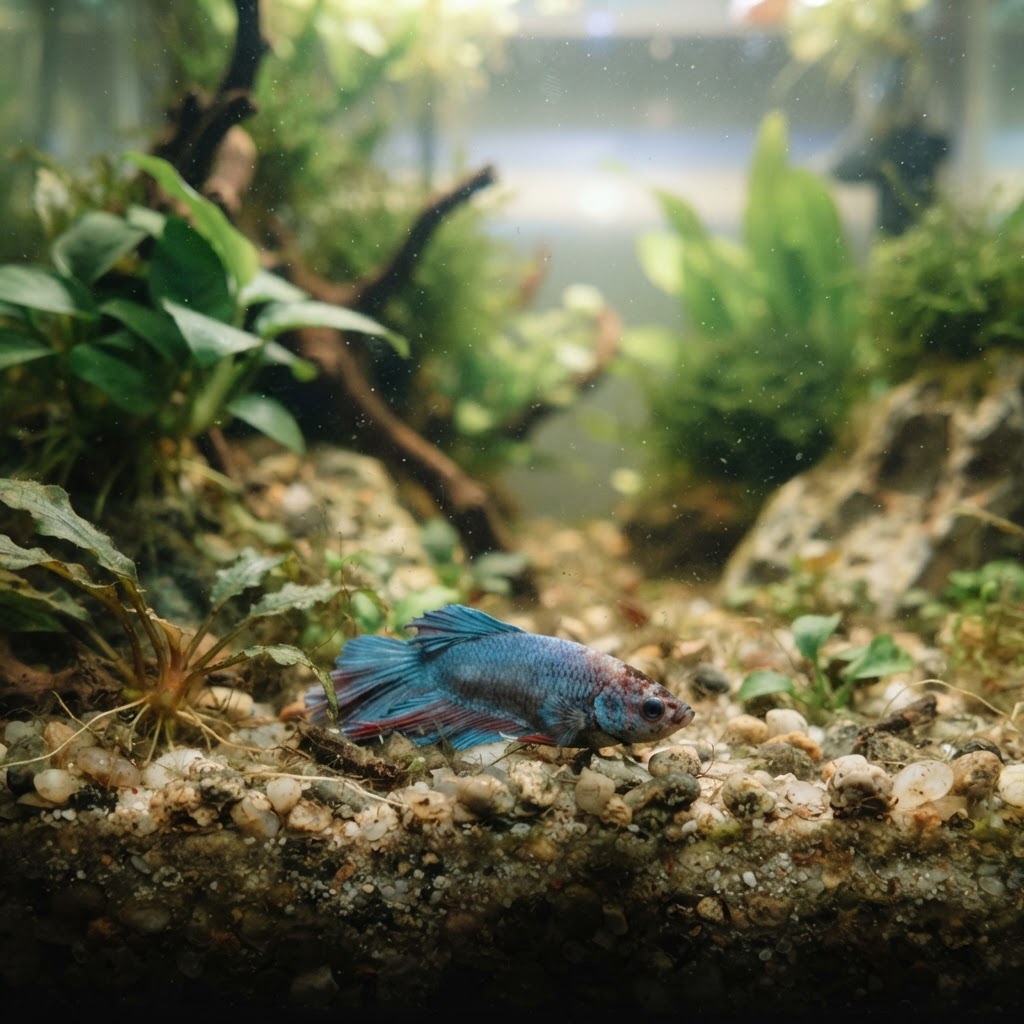
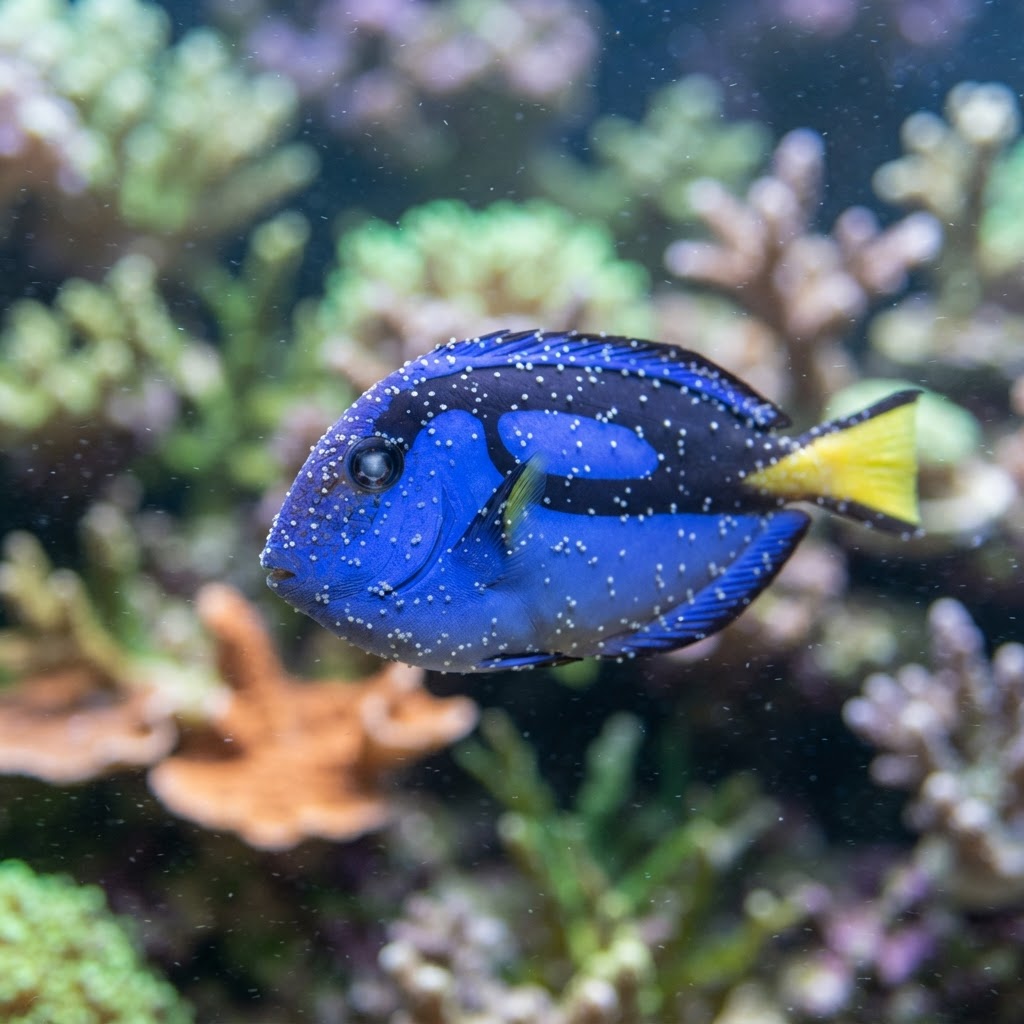
Bottom line: White spot disease (Ich) is a common, highly contagious parasite that shows as tiny white salt-like spots on fins and body. It can kill quickly if untreated, so treat the whole tank early with a proper Ich medication and raise the temperature slightly.
| Situation | Suggested action |
|---|---|
| A single spot, fish otherwise bright | Watch closely |
| Multiple white spots, or fish flicking on surfaces | Treat the whole tank for Ich now |
| Heavy spots + lethargy, not eating, or deaths | Treat immediately / fish vet |
What Ich is
Ich (Ichthyophthirius multifiliis) is a tiny parasite that burrows into the fish's skin and gills, forming a white cyst that looks like a grain of salt. Each spot is one parasite feeding under the skin; it then drops off, divides on the tank floor, and releases hundreds of new parasites that reinfect the fish. This life cycle is why Ich spreads so fast and why you must treat the whole tank, not just the affected fish, the free-swimming stage is the only one medication can kill, so a full course is needed to catch every generation as it hatches. Untreated, Ich can kill within days to weeks.
What can cause it
Stress is the usual trigger, Ich is often present at low levels, and a stressed fish (poor water, cold, a move, new tank-mates) loses resistance. New fish introduced without quarantine bring Ich. Cold temperatures slow the fish's immune response. Poor water quality and overcrowding set the stage. Once one fish shows spots, assume the whole tank is exposed.
When to worry, the red flags
A single spot can be watched closely. Treat the whole tank for:
- Multiple white salt-like spots on fins, body, or gills
- Fish flicking or rubbing on surfaces ("flashing")
- Clamped fins, lethargy, or not eating
- Heavy spotting, or rapid breathing (gill infection)
- Deaths, Ich can kill fast in young or stressed fish
What to do right now
- Confirm the spots are Ich (salt grains, not velvet dust or fungus) and treat the whole tank.
- Use a proper Ich medication (often malachite green, formalin, or copper-based) at the label dose, don't underdose.
- Raise the temperature gradually by 1–2 °C (within the species' safe range) to speed the parasite's life cycle so more are exposed to the medication.
- Increase aeration, warmer water holds less oxygen and some meds reduce it further.
- Do partial water changes between doses and remove carbon from the filter (it removes the medication).
- Complete the full course, stopping early lets the next generation rebound.
What NOT to do
- ❌ Don't treat just the affected fish, the tank is infected.
- ❌ Don't stop the course early when spots fade, continue per the label to catch hatching parasites.
- ❌ Don't overdose, Ich meds can be toxic at high doses, especially to scaleless fish.
- ❌ Don't leave carbon in the filter, it pulls the medication out.
How to treat it
A full course of Ich medication, raised temperature, extra aeration, and clean water resolve most cases. Scaleless fish (catfish, loaches) and invertebrates are sensitive to many medications, so check dosing carefully or use a gentler product. A fish vet can help with stubborn or sensitive cases.
Preventing Ich
Quarantine all new fish for 2–4 weeks, keep water quality high and temperature stable, reduce stress, and avoid sudden temperature swings. A quarantine tank is the single best way to stop Ich (and many other diseases) entering your main tank.
When to wait, and when to act now
A single spot can be watched closely. Multiple spots, flicking, or lethargy means treat the whole tank now, Ich spreads fast and kills.
Run a free AI triage assessment for personalised next steps, or find a vet near you.
Frequently Asked Questions
Disclaimer: This article is for educational purposes only and is not a substitute for professional veterinary advice. If you're concerned about your pet's health, use our AI triage assessment or consult a licensed veterinarian.