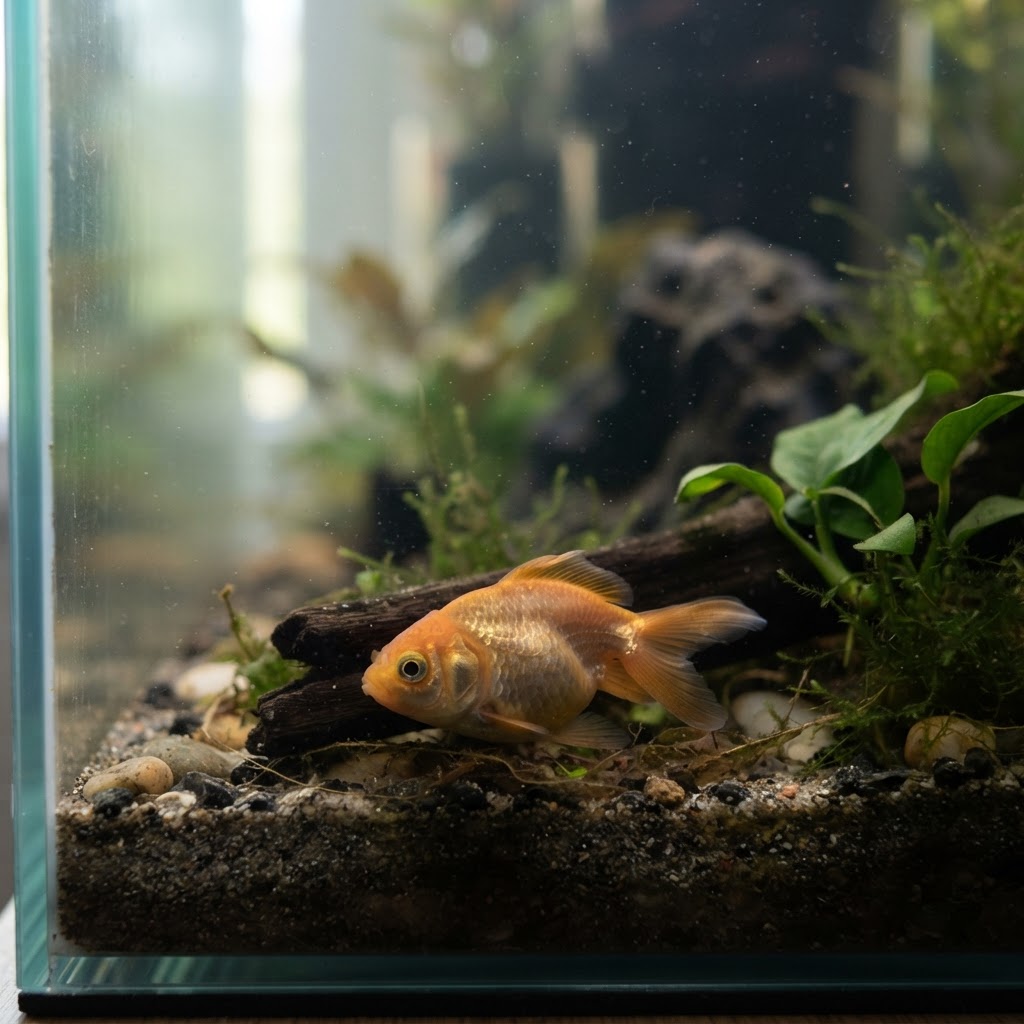
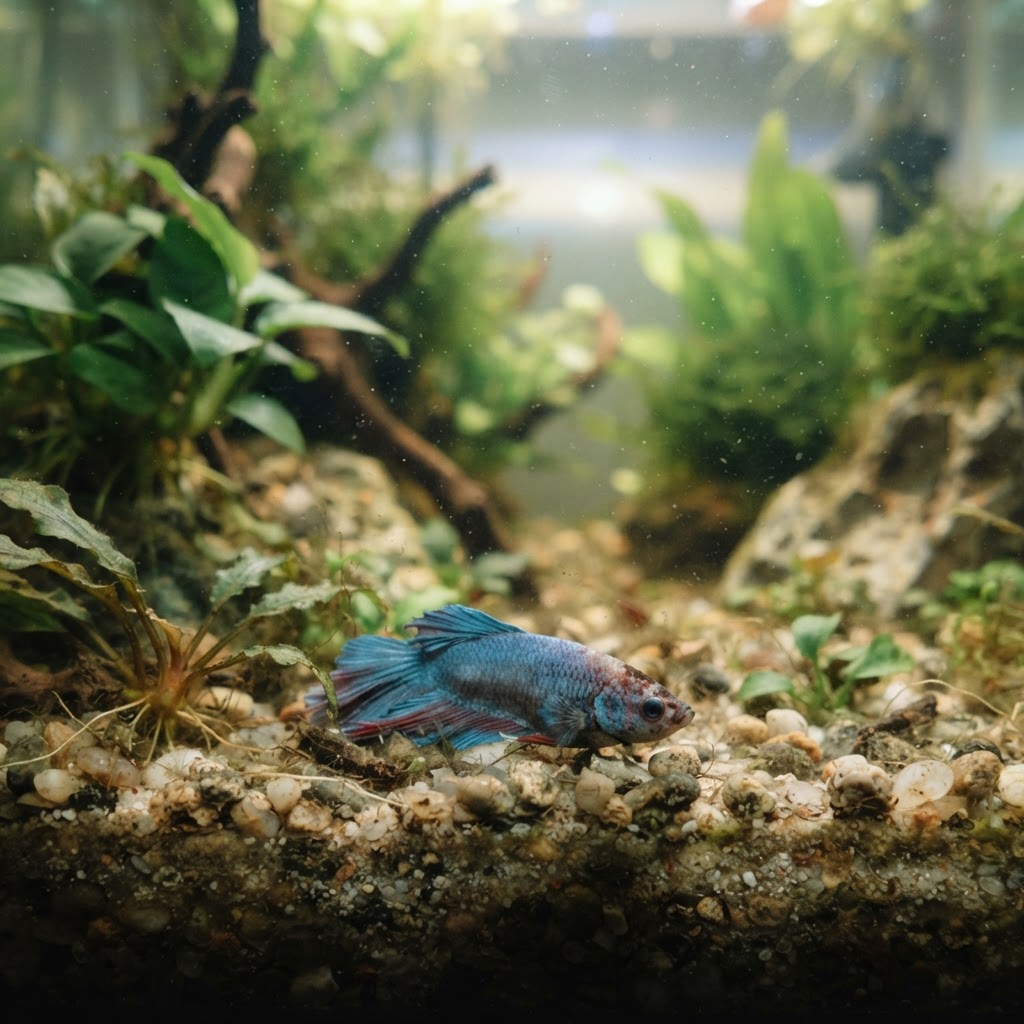
Bottom line: A fish lying on the bottom can be a normal resting behaviour, but if it's staying there, listing, not eating, or breathing hard, it's usually a sign of illness, stress, or poor water. Test the water and watch closely; persistent or worsening signs need a closer look and sometimes a vet.
| Situation | Suggested action |
|---|---|
| Resting briefly, then up and swimming normally | Monitor, often normal |
| Staying on the bottom, clamped fins, or not eating | Test water, observe closely |
| Listing, rapid breathing, or with other sick fish | Treat / fish vet |
Why a fish lies on the bottom
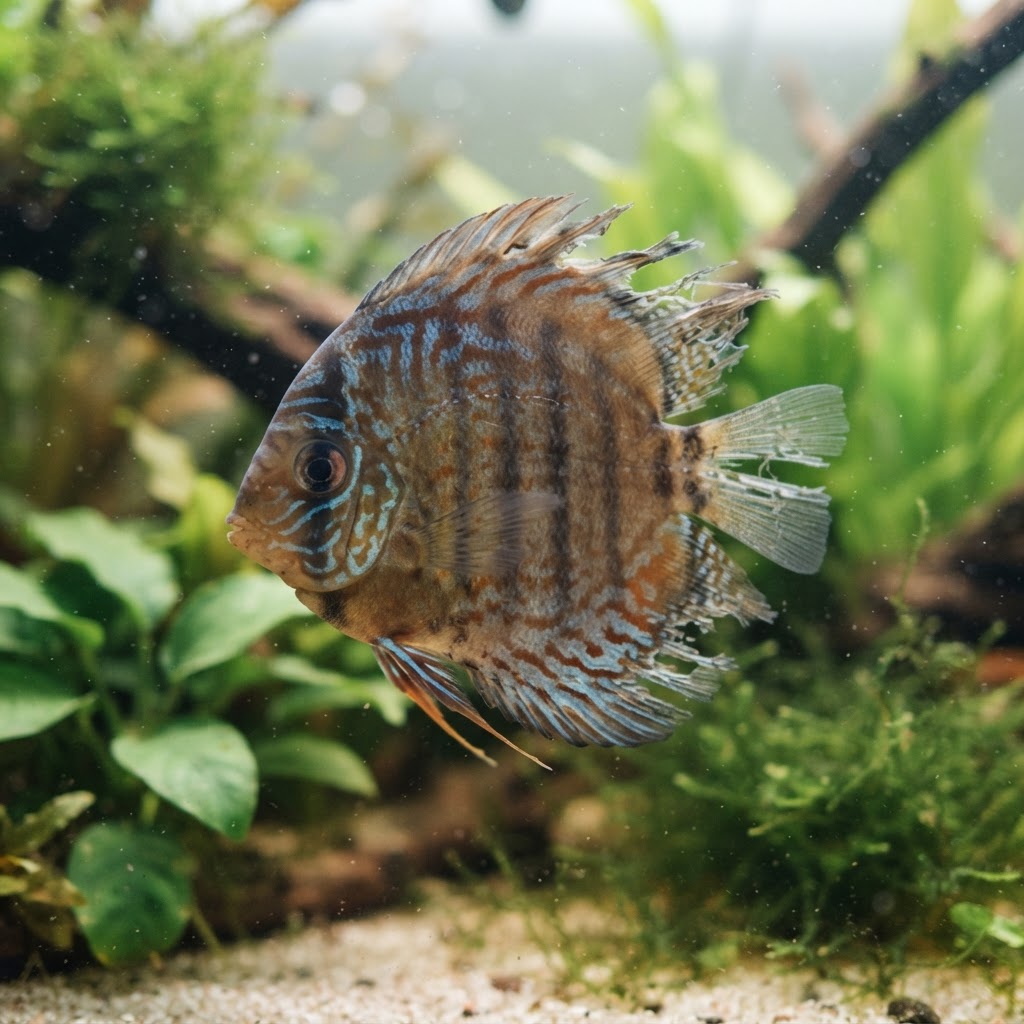
Some fish naturally rest on the bottom, corydoras, plecos, and other bottom-dwellers spend a lot of time there, and many fish rest on the bottom overnight. The concern is a fish that's now staying on the bottom when it didn't before, especially with clamped fins, listlessness, or not eating. That shift usually points to stress, illness, or water quality, because a healthy fish spends most of its time swimming and reacting to its environment. The skill is in separating a resting fish from one that's too weak or unwell to swim.
What can cause it
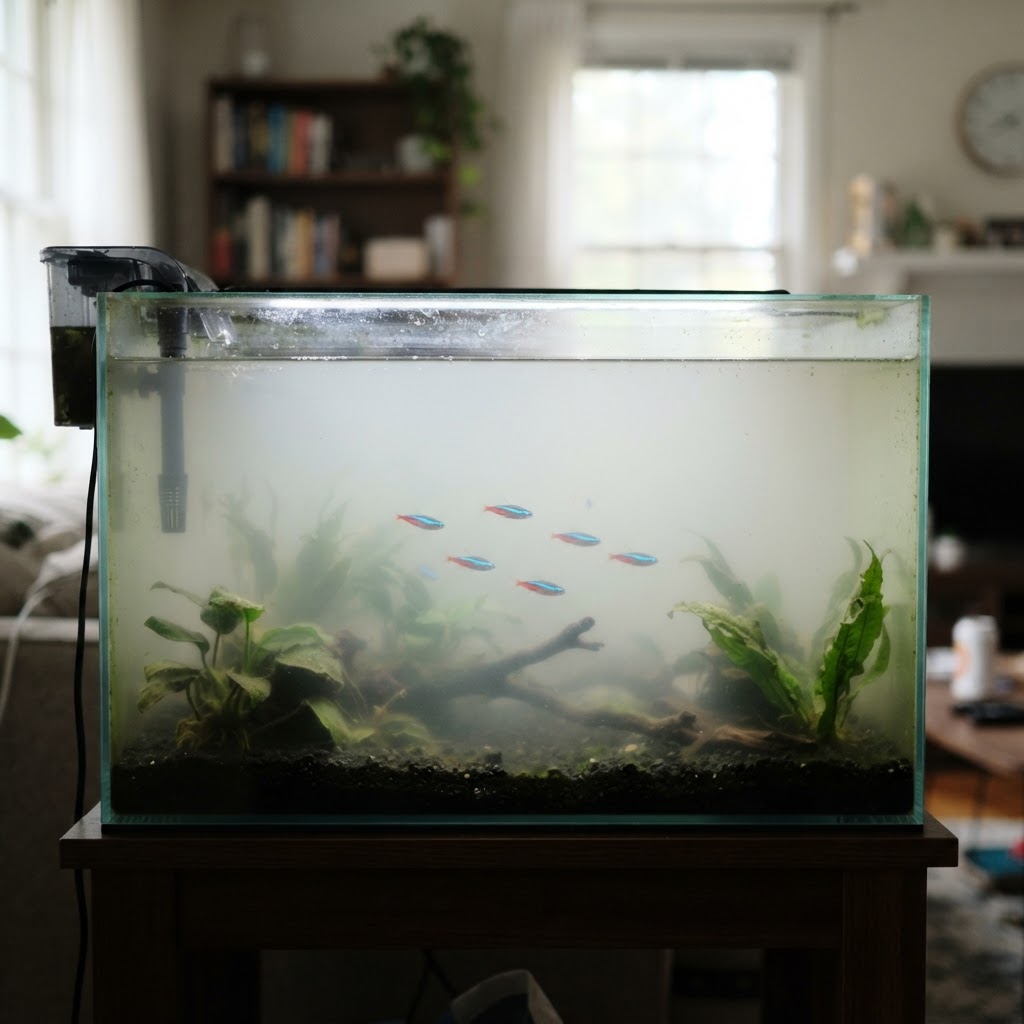
Poor water quality (ammonia, nitrite, or low oxygen) makes fish lethargic and weak. Stress from bullying, a new tank-mate, a move, or a recent change can put a fish down. Illness includes swim bladder problems, bacterial or parasitic infection, and dropsy. Temperature that's too cold or too hot slows fish down. Old age in a long-lived fish can look like resting more. Bottom-dwelling species resting is normal; a mid-water fish suddenly on the bottom is not.
When to worry, the red flags
A fish that rests then swims normally can be watched. Investigate for:
- Staying on the bottom when it didn't before, or with clamped fins
- Not eating, or hiding all the time
- Listing to one side, or unable to right itself
- Rapid or laboured breathing, or gasping at the surface
- A swollen body, raised scales, or redness on the fins/body
- Other fish also looking off, likely a water or tank problem
What to do right now
- Test the water, ammonia, nitrite, nitrate, and temperature; fix anything out of range.
- Do a partial water change with dechlorinated, temperature-matched water.
- Watch for bullying, separate a bullied fish if needed.
- Check temperature matches the species' range.
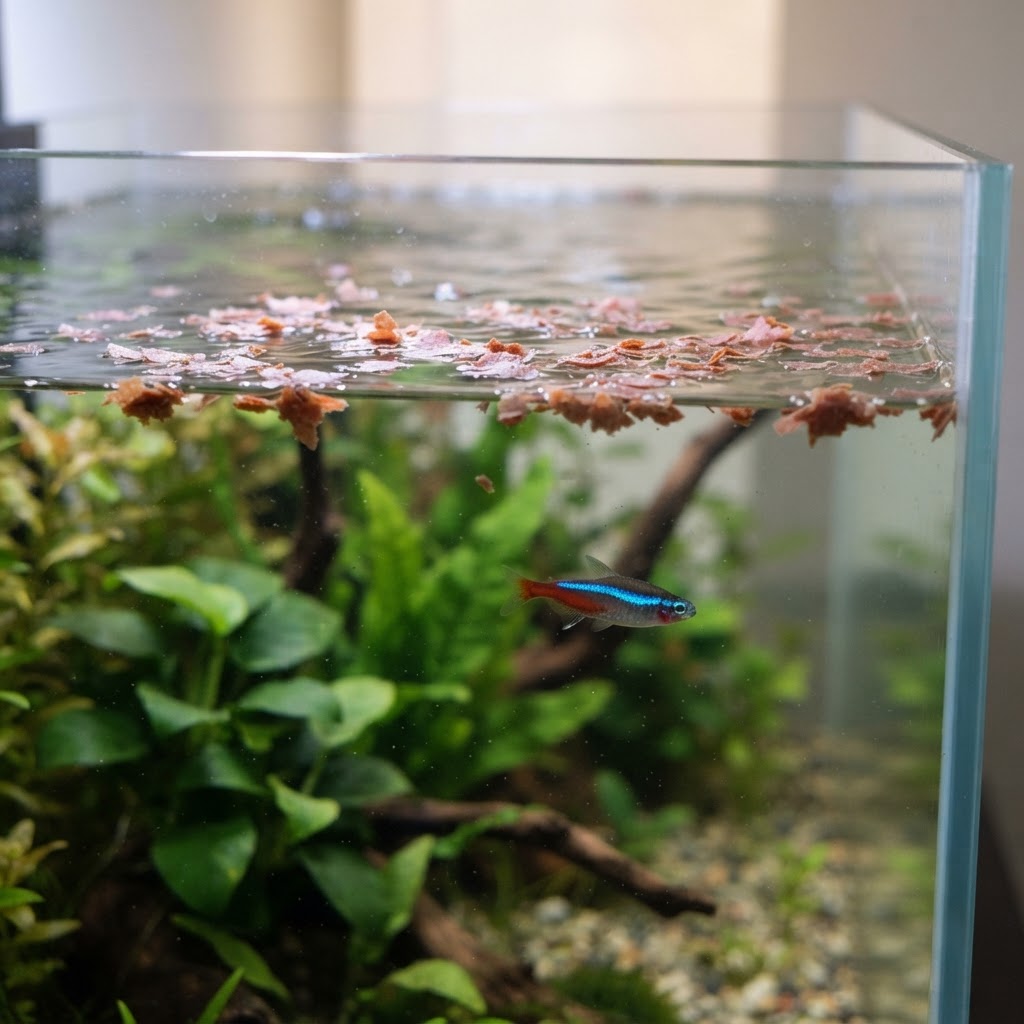
- Stop feeding for a day to reduce waste, then resume lightly.
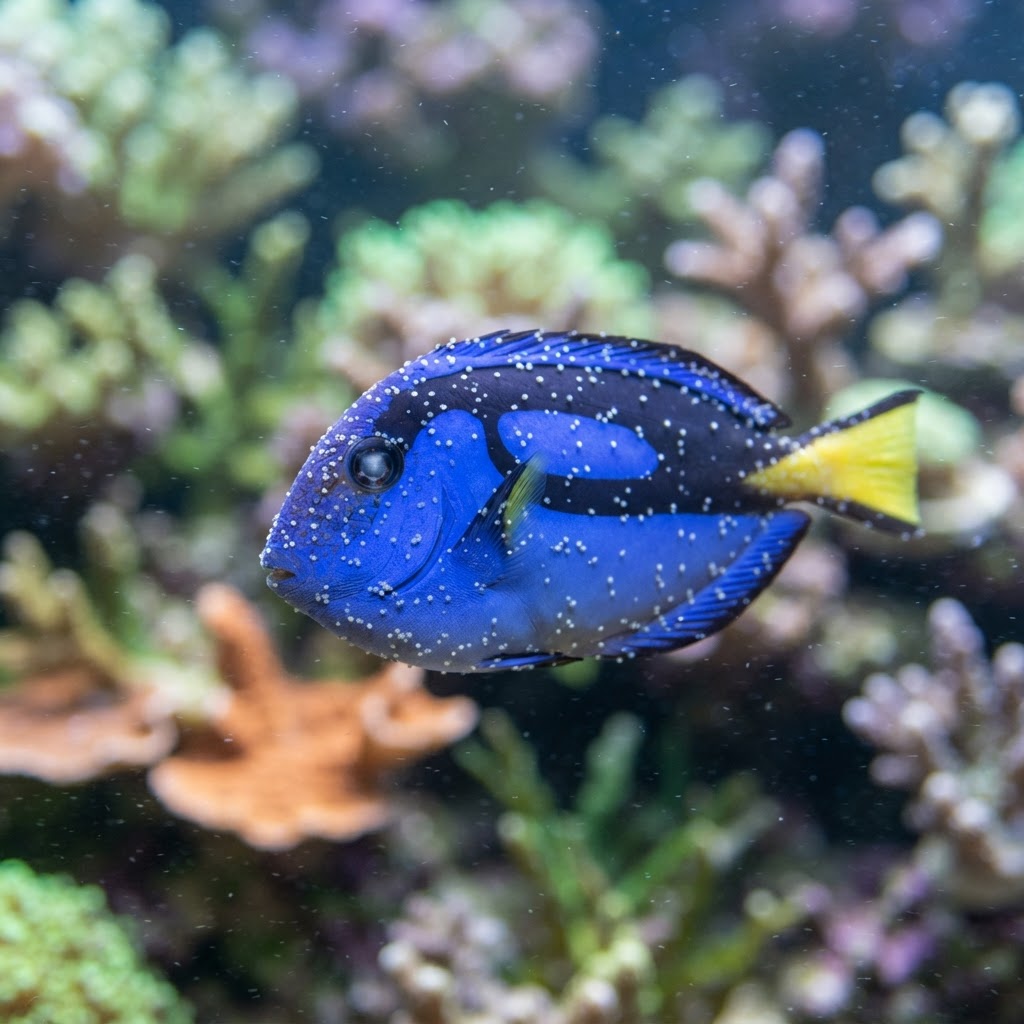
- Look for other signs (white spots, swelling, fin damage) that point to a specific disease.
What NOT to do
- ❌ Don't assume "just resting" if the fish is staying down or not eating.
- ❌ Don't ignore the water, most "sick fish" problems start there.
- ❌ Don't add random medications without a diagnosis.
- ❌ Don't leave a bullied fish in with an aggressor.
How to treat it
Fixing water quality resolves many cases. For a specific illness (parasites, bacterial infection, swim bladder), match the treatment to the signs, a fish vet can help with diagnosis if the fish is valuable or the problem persists. A bullied or weak fish may need a separate tank to recover in clean water with low stress.
Preventing bottom-resting problems
Keep the water pristine with regular testing and changes, stock sensibly, match tank-mates to avoid bullying, keep temperature stable, and quarantine new fish. A stable, clean tank keeps most fish swimming normally.
When to wait, and when to act now
A fish that rests then swims normally can be watched. Staying on the bottom, not eating, listing, or rapid breathing needs water testing and a closer look, and multiple sick fish means act on the tank now.
Run a free AI triage assessment for personalised next steps, or find a vet near you.
Frequently Asked Questions
Disclaimer: This article is for educational purposes only and is not a substitute for professional veterinary advice. If you're concerned about your pet's health, use our AI triage assessment or consult a licensed veterinarian.