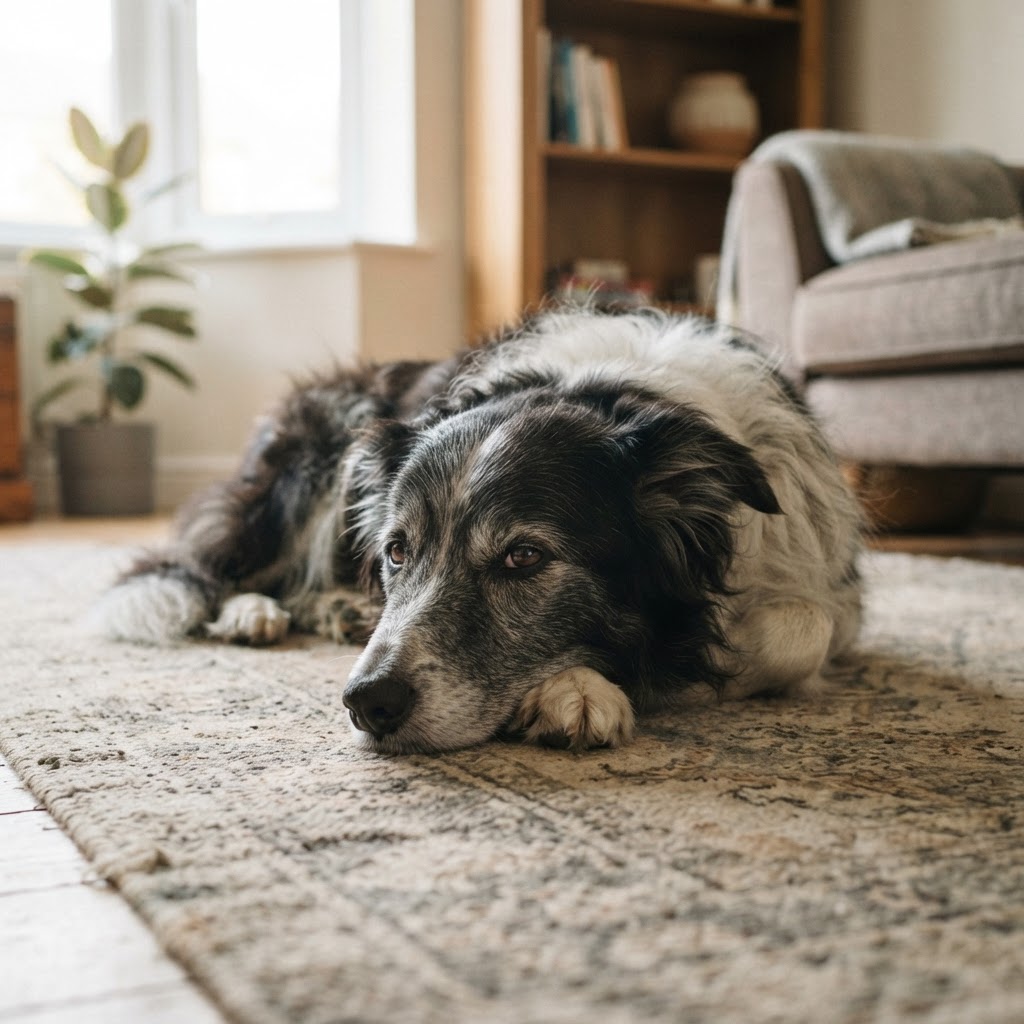
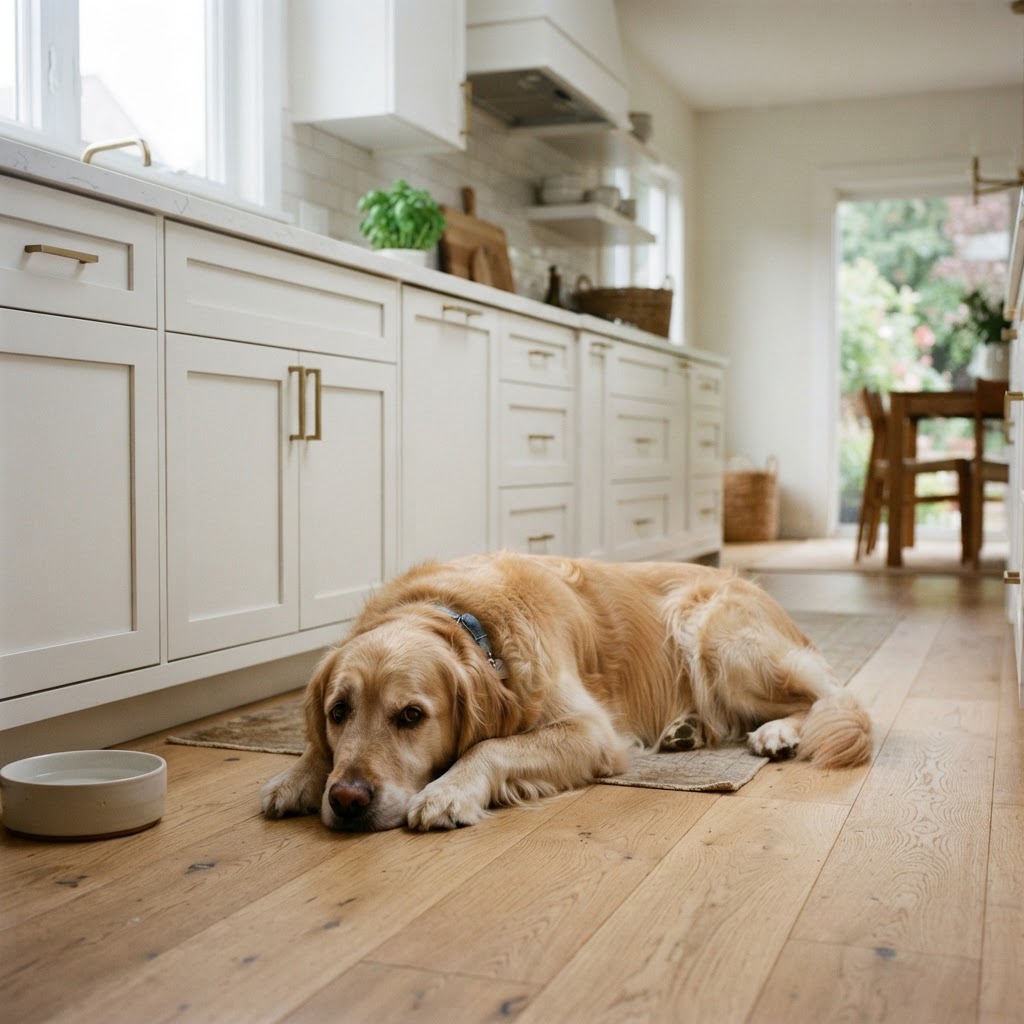
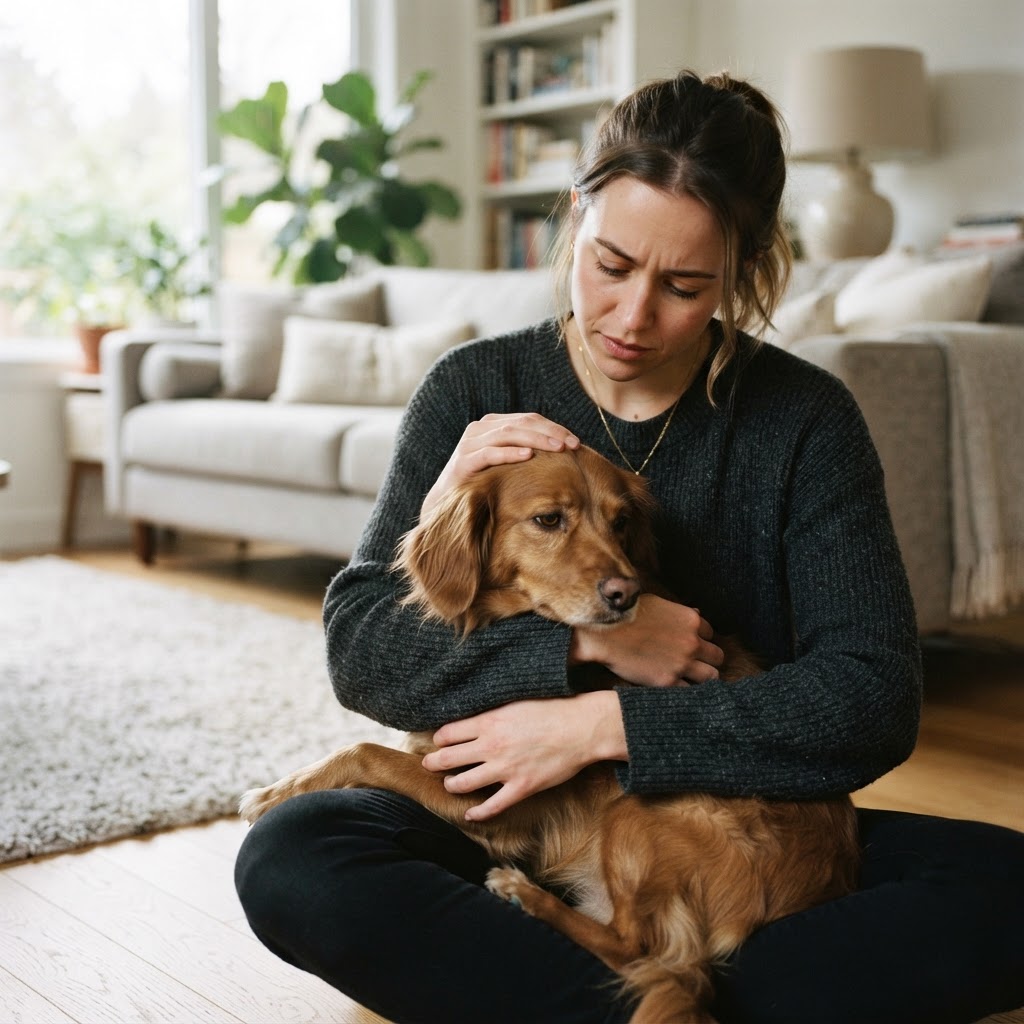
Bottom line: Shaking and panting can be simple signs of excitement, but they are also primary symptoms of severe pain or anxiety. If your dog cannot calm down or is hiding, it warrants a checkup.
| Situation | Suggested action |
|---|---|
| Shaking with gums pale/blue | Emergency vet visit |
| Inability to settle/pacing | Same-day vet appointment |
| Shaking during storms/noise | Monitor and discuss with vet |
| Shaking with excitement | No action needed |
Shaking and Panting - Reading the Signs
You're sitting on the sofa and your dog is panting - not from exercise, not from heat - and now they're trembling, too. It's unsettling. Your dog looks anxious, uncomfortable, or just "off."
Shaking and panting are two symptoms that can mean everything from "I'm excited" to "I'm in serious trouble." The key to knowing which is context, duration, and what else is going on.
Let's break down the most common causes.
1. Anxiety, Fear, or Stress
This is one of the most common causes of shaking and panting in dogs. The body's response to fear is a surge of adrenaline - which causes trembling, increased heart rate, and rapid breathing (panting).
Common triggers:
- 🐾 Thunderstorms and fireworks - the most common triggers of noise anxiety
- Separation anxiety - panting and shaking when you leave the house
- Car travel - some dogs are genuinely terrified of car rides
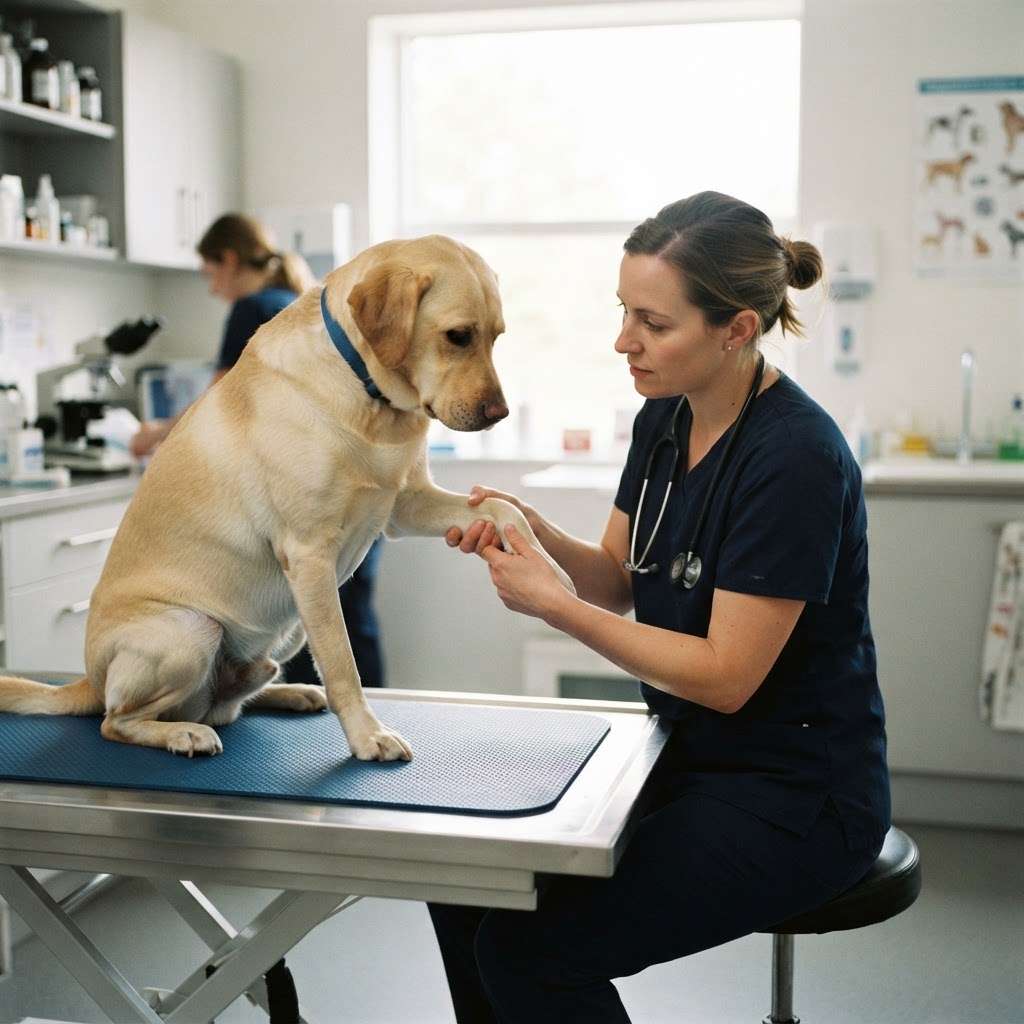
- Vet visits - the smell, the sounds, and the association with past experiences
- New environments or people
- Building work or unusual noises
Signs of anxiety:
- Panting, trembling, or shaking
- Pacing and restlessness
- Whining or barking
- Lip-licking, yawning, or lip-smacking (calming signals)
- Hiding or trying to escape
- Destructive behaviour (chewing, scratching at doors)
What to do: Identify the trigger and reduce exposure if possible. For thunderstorm or firework anxiety, create a "safe space" (a quiet, dark room), use a Thundershirt, play calming music, and talk to your vet about anti-anxiety medication for severe cases. For separation anxiety, consult a vet behaviourist - it's highly treatable with the right approach.
2. Pain

Panting is one of the ways dogs cope with pain. Unlike humans, dogs can't tell us where it hurts - and many dogs will pant, tremble, or become restless when they're in pain.
Signs of pain-related panting:
- 🐾 Panting at rest, in a cool environment
- Trembling or reluctance to move
- Restlessness - getting up, lying down, getting up again
- Changes in posture - hunched back, praying position (front legs down, back end up)
- Reluctance to be touched in certain areas
- Vocalising - whining, groaning, or crying when moving
- Limping or stiffness
What to do: If your dog is panting, shaking, and showing signs of pain, call your vet. Do not give human pain medication - ibuprofen, paracetamol, and aspirin can be toxic. Your vet can prescribe safe, effective pain relief.
3. Heat
Panting is the primary way dogs cool themselves. If the environment is warm - or your dog has been exercising - panting is normal and expected. But heatstroke is a real danger.
When panting is concerning (heat-related):
- Panting is excessive, heavy, or frantic
- Your dog's gums are bright red or dark red
- Your dog is weak, stumbling, or collapsing
- Your dog is vomiting or has diarrhoea
- The panting doesn't stop after your dog rests in a cool area
What to do: Move to a cool area, offer water, cool with wet towels on the belly and thighs. If symptoms don't improve quickly, go to the vet. See our full guide: Heatstroke in Dogs
4. Excitement
Not all panting and shaking is a cause for concern. Some dogs - especially puppies and high-energy breeds - will pant, tremble, and whine when they're excited. This is normal and nothing to worry about, provided it settles when the excitement passes.
5. Nausea
Dogs who feel sick will often pant, drool, and tremble. Common causes of nausea:
- Motion sickness - especially in puppies
- Gastritis - inflammation of the stomach
- Dietary indiscretion - eating something they shouldn't
- Toxin ingestion
- Kidney or liver disease
Signs of nausea:
- Excessive drooling
- Lip-licking and lip-smacking
- Swallowing repeatedly
- Vomiting (or trying to)
- Loss of appetite
What to do: If your dog is panting, drooling, and showing signs of nausea - especially after eating something unusual - call your vet.
6. More Serious Causes
When shaking and panting are persistent, severe, or accompanied by other symptoms, they can indicate:
- Poisoning or toxin ingestion - including xylitol, chocolate, rodent bait, or certain human medications
- Bloat (GDV) - especially in deep-chested breeds. If your dog is panting, restless, drooling, and has a swollen belly, go to the vet immediately
- Heart disease - panting, coughing, and weakness, especially after exercise
- Cushing's disease - a hormonal condition causing increased thirst, appetite, and panting
- Neurological conditions - seizures, tremors, or brain disorders
- Shock - from trauma, blood loss, or severe infection
When to Go to the Vet Immediately
Go to the emergency vet if your dog is:
- Panting and shaking with a swollen or painful abdomen (possible bloat)
- Panting and shaking with pale, blue, or bright red gums
- Panting and shaking and collapsing or unable to stand
- Panting and shaking and vomiting repeatedly
- Panting and shaking after known or suspected toxin ingestion
- Panting and shaking and having seizures
The Bottom Line
Shaking and panting are symptoms, not a diagnosis. The key is to look at the context: is your dog in a warm room? Is there a thunderstorm? Did they eat something they shouldn't? Are there other symptoms? When in doubt, call your vet - they can help you figure out whether this is anxiety, pain, heat, or something more serious. And when it comes to breathing difficulties, pale gums, or a swollen belly, don't wait - go immediately.
Frequently Asked Questions
Disclaimer: This article is for educational purposes only and is not a substitute for professional veterinary advice. If you're concerned about your pet's health, use our AI triage assessment or consult a licensed veterinarian.